Soil carbon is attracting plenty of attention, and for good reason. Many landholders are already working to improve their soils through practices like maintaining groundcover and encouraging diverse pastures. As interest in carbon markets grows, some are asking whether those same practices could open the door to a soil carbon project. But what exactly is soil carbon? How do carbon projects work? And what should you consider before deciding whether one is right for your property? The good news is you don't need to be a carbon expert to understand the basics. Want a quick overview? Check out our soil carbon factsheet for the key information at a glance.
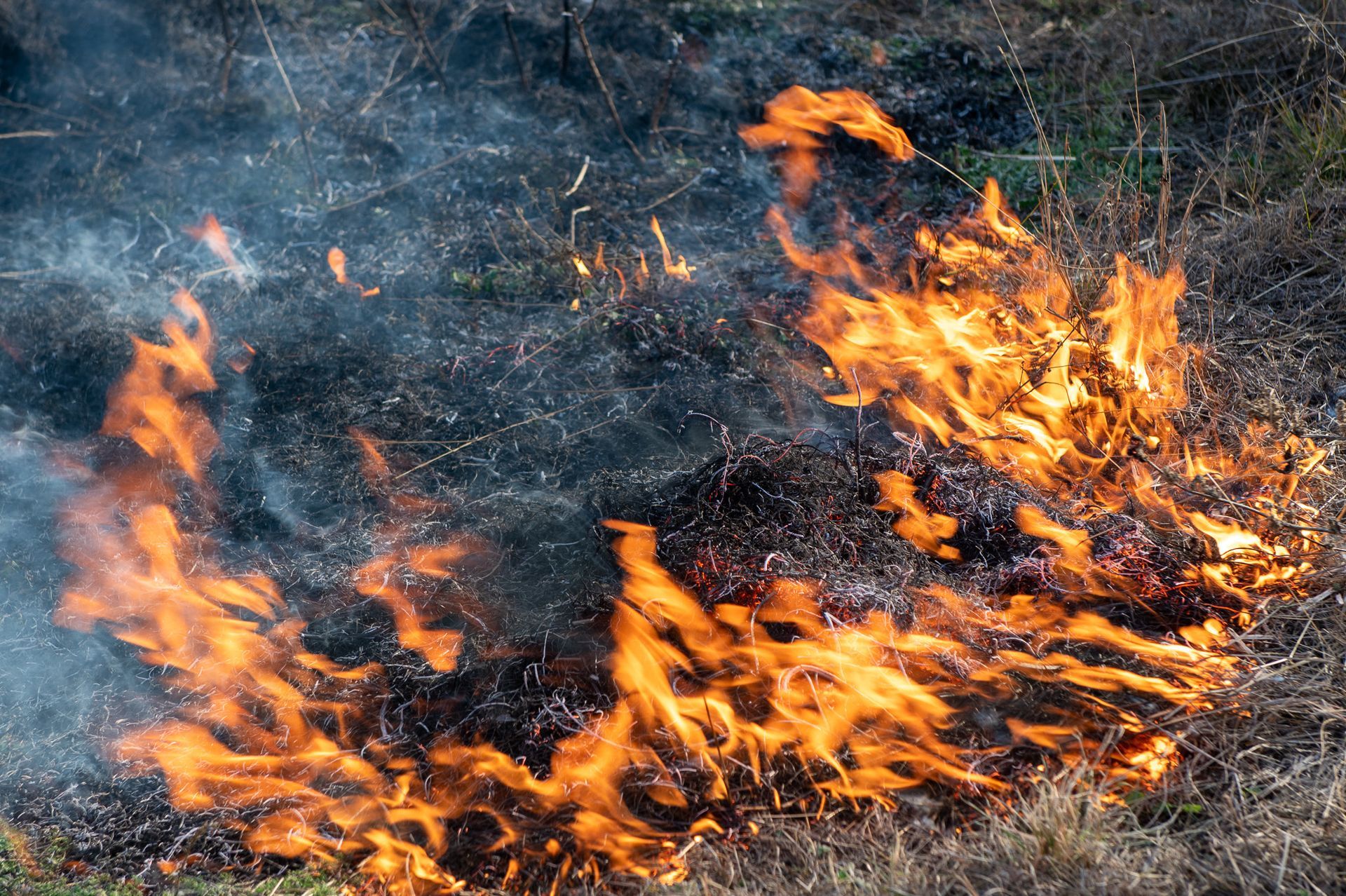
Protecting pasture, fences and infrastructure from wildfire has long been part of grazing management. Deliberately lighting a paddock can seem counterintuitive. Yet many graziers are taking another look at one particular type of fire: cool burning. Unlike hot summer wildfires, cool burning uses low-intensity fire under carefully planned conditions to manage pasture, weeds and fuel loads while protecting the soil surface. It is one of many management tools graziers can use alongside pasture improvement, grazing management and weed control to build stronger, more resilient pastures. Through the Growing Climate Smart Grazing project, Southern Queensland Landscapes is helping eligible landholders in the Condamine River Basin explore whether cool burning could become another tool for managing their property. Want a quick overview? Check out our cool burning factsheet for the key information at a glance.
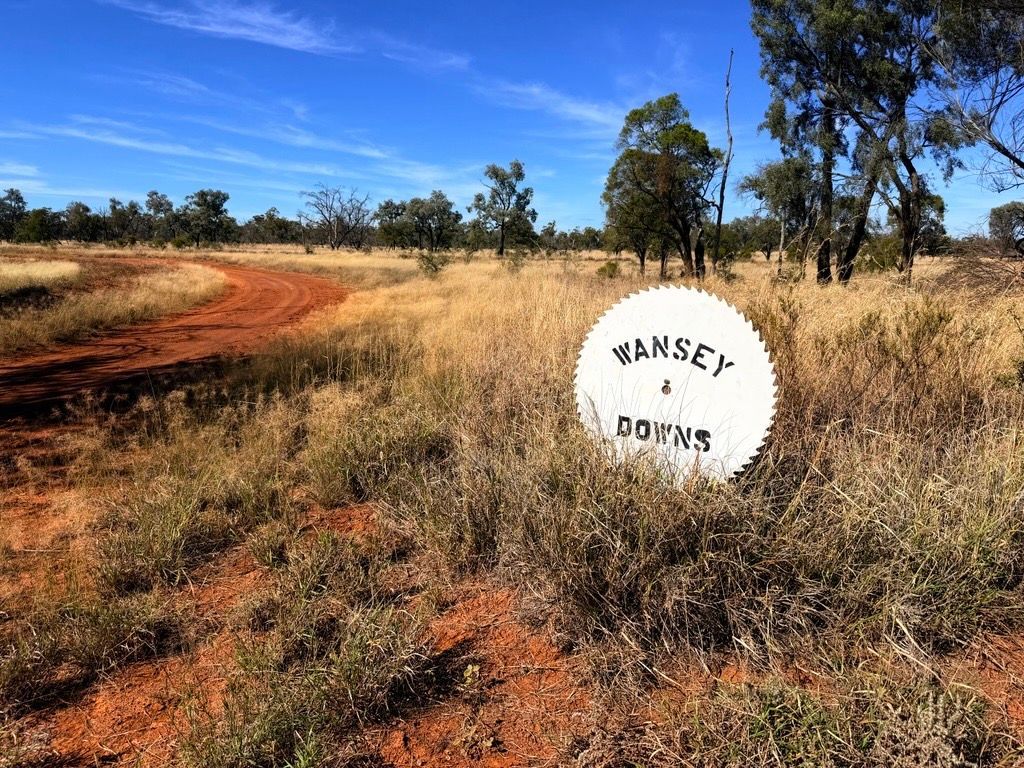
Slowing the movement of water at Wansey Downs
Coordinated Action Across Southern Queensland
Why are landholders becoming more curious about carbon and what could it mean on farm?
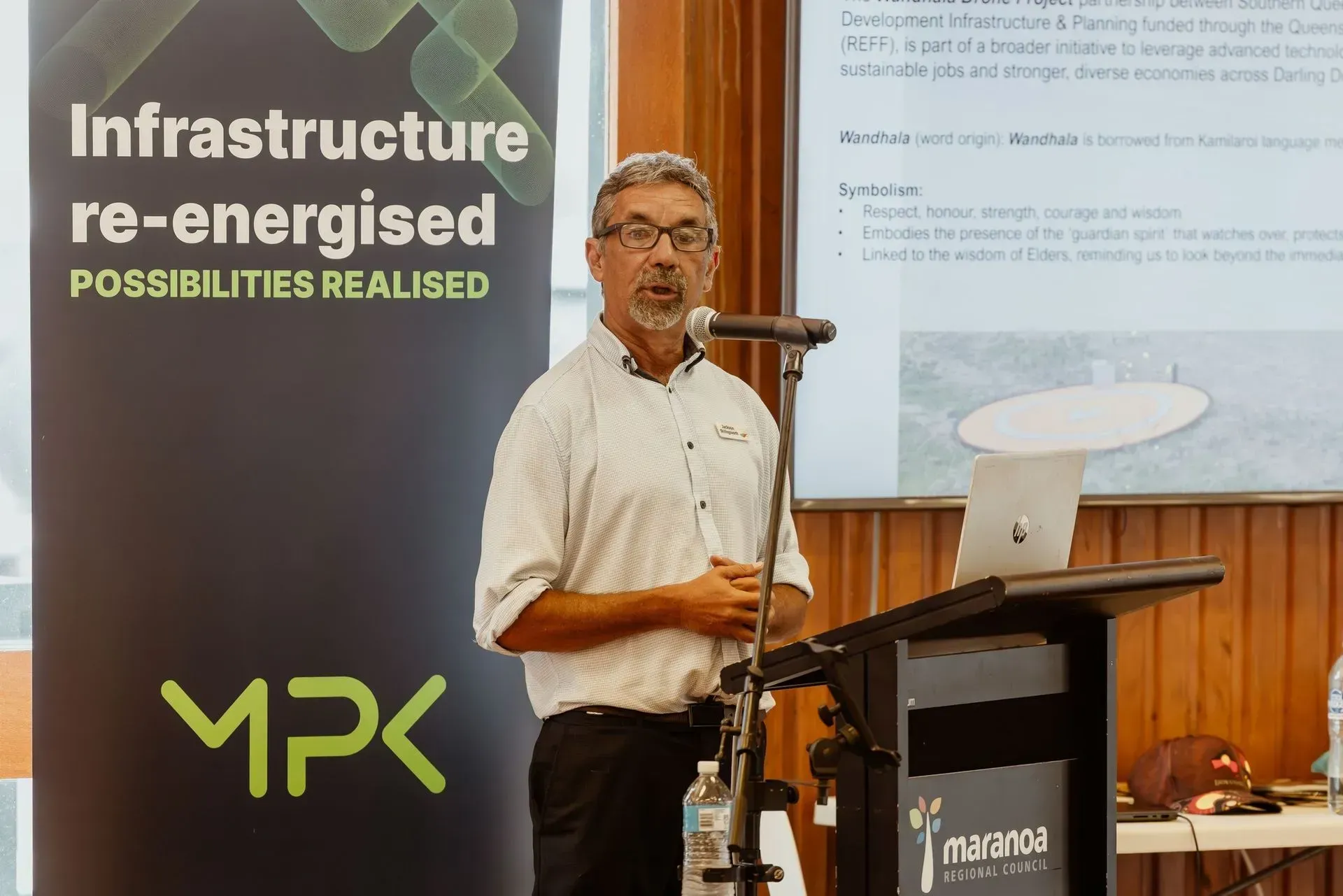
Southern Queensland Landscapes was proud to attend and present at the Maranoa and South West Indigenous Business Expo in Roma last month, an event that brings together businesses, community organisations and First Nations business leaders to share knowledge, build connections, and explore opportunities across the region. A key focus of our involvement at the Expo was reinforcing our commitment to working alongside First Nations people as a priority. Strong partnerships with Traditional Owners and Indigenous businesses are essential to achieving sustainable land management outcomes across southern Queensland. We recognise that meaningful collaboration is about building long-term relationships, supporting capability development, and ensuring First Nations voices are central to project planning and delivery. Showcasing Regional Projects Our Projects Officer, Jackson Shillingsworth, presented on a range of our project initiatives that are creating real impact across the region, with a strong emphasis on funding opportunities, partnerships and innovation. One of the highlights was the success of our Brigalow Project which focuses on reducing threats to the Brigalow Belt, one of Queensland’s most ecologically significant and endangered habitats. Through targeted land management practices and collaboration with landholders and communities, the project is helping to preserve biodiversity and improve landscape resilience. We also shared insights into the Wandhala Drone Project , a project that supports First Nations business participants to explore how drone technology can be used for land management, cultural heritage monitoring and small business ventures. Events like the Indigenous Business Expo are critical in helping organisations better understand and address barriers to engagement. We are committed to ensuring that our projects and funding opportunities are inclusive, accessible and responsive to the needs of First Nations communities and businesses. Our Commitment: Reconciliation in Action Our participation in the Expo reflects our broader commitment to reconciliation. We invite you to explore our newly launched Reconciliation Action Plan (RAP), which outlines the practical steps we will be taking to strengthen relationships, respect cultural knowledge and create meaningful opportunities for First Nations people. 👉 View the RAP here: www.sqlandscapes.org.au/reconciliation-action-plan We thank the organisers of the Maranoa and South West Indigenous Business Expo for the opportunity to be part of such a valuable event. We look forward to continuing to build partnerships, support innovation and work collaboratively with First Nations communities across southern Queensland.
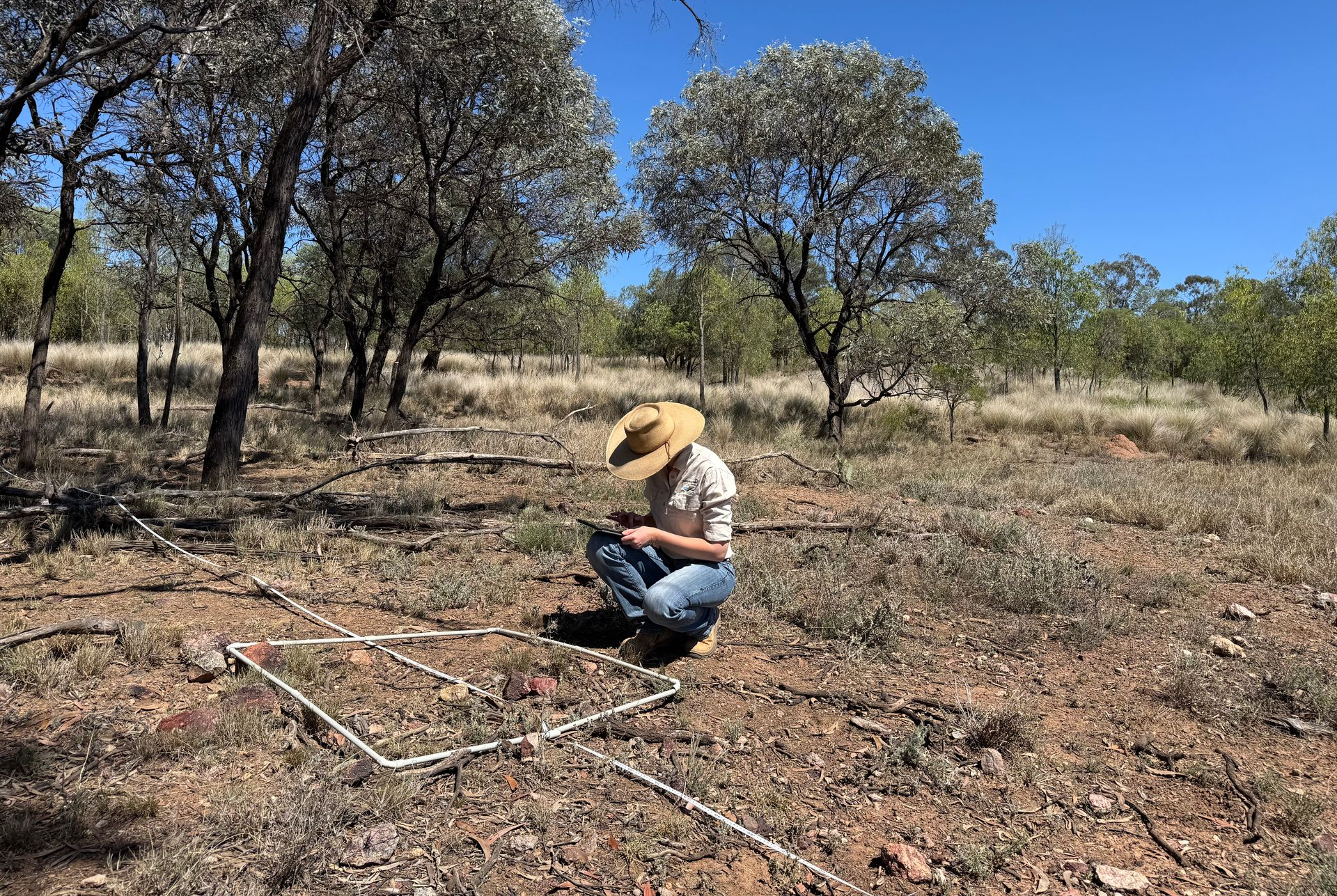
With our team working alongside landholders to turn planning into practical, lasting outcomes on the ground, our project,Protecting the Brigalow Belt in Southern Queensland , is well underway. This project supports landholders to protect remnant and fragmented Brigalow vegetation, while strengthening the long-term sustainability and productivity of agricultural systems across the region. By aligning conservation outcomes with grazing enterprise needs, the project recognises that healthy landscapes and productive businesses go hand in hand. Across southern Queensland, we are currently partnering with around 50 landholders to address priority challenges such as weeds and pest animals, alongside targeted property improvements that benefit both production and nature. Supported on-ground activities include both weed and pest management, fencing to improve grazing control and protect remnant vegetation, and infrastructure such as alternative watering points to better manage livestock access and reduce pressure on the Brigalow scrub. A key focus of the project is improving the condition and connectivity of Brigalow habitats, particularly along important corridors and remnant patches. These areas can provide critical habitat for nationally significant species including koalas, the Yakka Skink and the Northern Quoll. Strengthening these systems helps conserve threatened Brigalow Belt ecosystems while maintaining the shade, shelter, soil health and water retention benefits that are so valuable to grazing. We sincerely thank every landholder who is partnering with us on this project. Your stewardship, local knowledge and commitment are central to the success of this work. Collaboration between landholders, First Nations people, government and local communities remains at the heart of achieving lasting improvements for the Brigalow Belt, now and into the future. This project is funded by the Australian Government under Saving Native Species and delivered by Southern Queensland Landscapes, a member of the Commonwealth Regional Delivery Partners Panel.
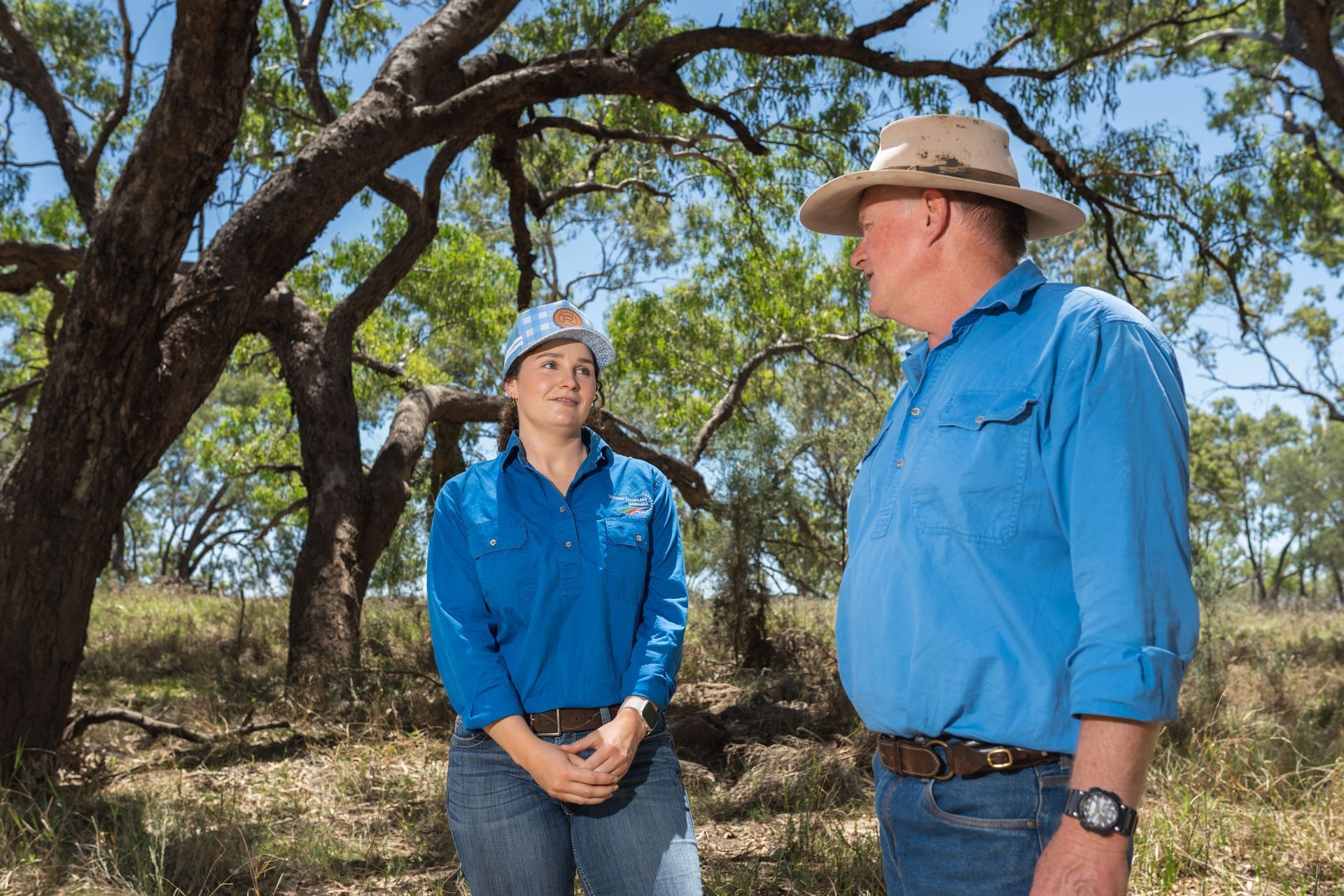
West of Augathella, along the winding Nive River, sitsBiddenham , a family-owned cattle property run by Guy Newell and his wife Natalie. The river forms a defining feature of the property, supporting riparian landscapes and providing important habitat for native wildlife alongside productive grazing land. In early 2025, we approached Guy to explore opportunities to work together on landscape and biodiversity projects. At the time, our Western Koala Project was underway, alongside the Coolibah–Black Box and Poplar Box Project, both of which strongly aligned with the natural values present atBiddenham . With extensive areas of Coolibah–Black Box and Poplar Box Grassy Woodland threatened ecological communities (TEC's), particularly along the Nive River corridor, the property was well placed to support these initiatives. These TEC's also provide important habitat for native fauna including Koalas and Rufus Bettongs, with existing records and on-ground evidence confirming their presence in the area. As part of the project activities, we collected an environmental DNA (eDNA) water sample from a local waterhole to investigate the presence and abundance of native fauna, as well as potential pest species. An acoustic recorder was also deployed to help monitor wildlife activity across the site, providing valuable data to inform ongoing conservation and management efforts. A key focus of our support atBiddenhamhas been weed management, particularly targeting Mother of Millions and Tiger Pear, invasive species that can significantly impact native fauna and degrade threatened ecological communities. Through a combination of biological control and targeted herbicide treatments, we have worked alongside Guy to reduce these weed pressures and protect the health of the riparian corridor. Guy has also actively participated in pest management programs, taking part in the initial aerial pest control operation in May 2025, followed by a second program in November 2025. These efforts targeted feral pigs and feral cats, helping to reduce threats to native species and safeguard the ecological integrity of the TEC's along the river. Building strong relationships with landholders is central to Southern Queensland Landscapes’ work, and it has been a pleasure to collaborate with Guy and Natalie atBiddenham . Their willingness to engage in conservation projects while continuing productive land management demonstrates the value of partnership in achieving positive outcomes for landscapes, wildlife and rural communities. This project is funded by the Australian Government’s Natural Heritage Trust and delivered by Southern Queensland Landscapes, a member of the Commonwealth Regional Delivery Partners panel.
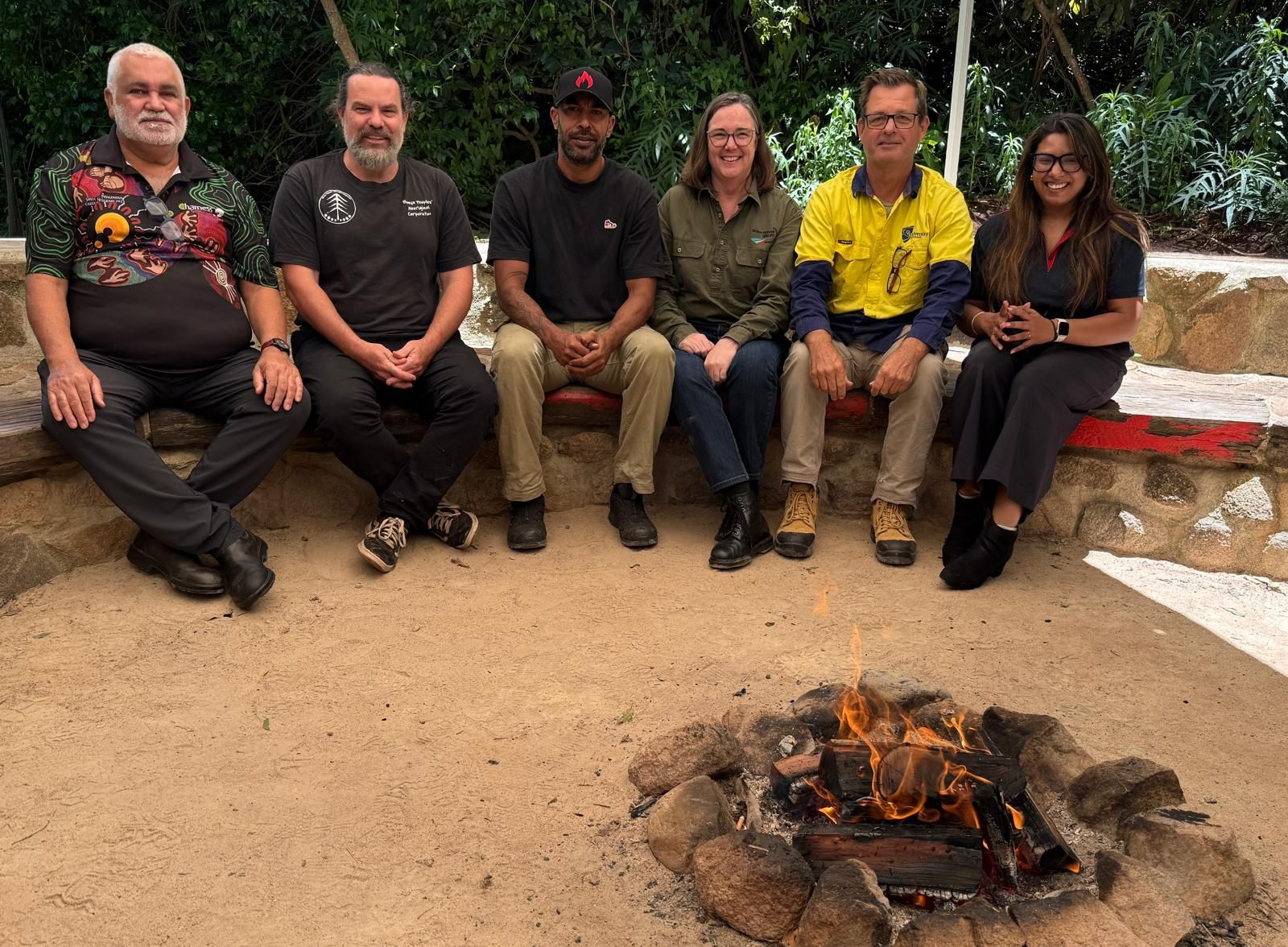
Members of the Southern Queensland Landscapes team recently spent time on Bunya Country with the Bunya People’s Aboriginal Corporation, whose work involves Healing Country and strengthening Songlines through on-Country projects and partnerships. We were grateful to be welcomed onto Country to listen, yarn and learn, and to introduce the Growing Climate Smart Grazing in the Condamine River Basin project, which forms part of the national Climate Smart Agriculture Program. Spending time together on Country created space for open conversations, allowing shared priorities to emerge naturally and respectfully. These early discussions explored healthy Country, cultural burning practices and caring for landscapes in ways that honour First Nations knowledge systems that have guided land stewardship for tens of thousands of years. By walking gently alongside Traditional Custodians, these conversations are helping shape the Growing Climate Smart Grazing program so that works will: Respect and align with First Nations land management knowledge Support cultural aspirations and practices Strengthen connections to Country Build genuine partnerships We recognise that First Nations peoples are the original land managers of southern Queensland, and their knowledge, cultural obligations and connection to Country remain vital to how we care for landscapes today and into the future. Southern Queensland Landscapes sincerely thanks Bunya People’s Aboriginal Corporation for welcoming our team and sharing wisdom and perspectives that will help guide this work.
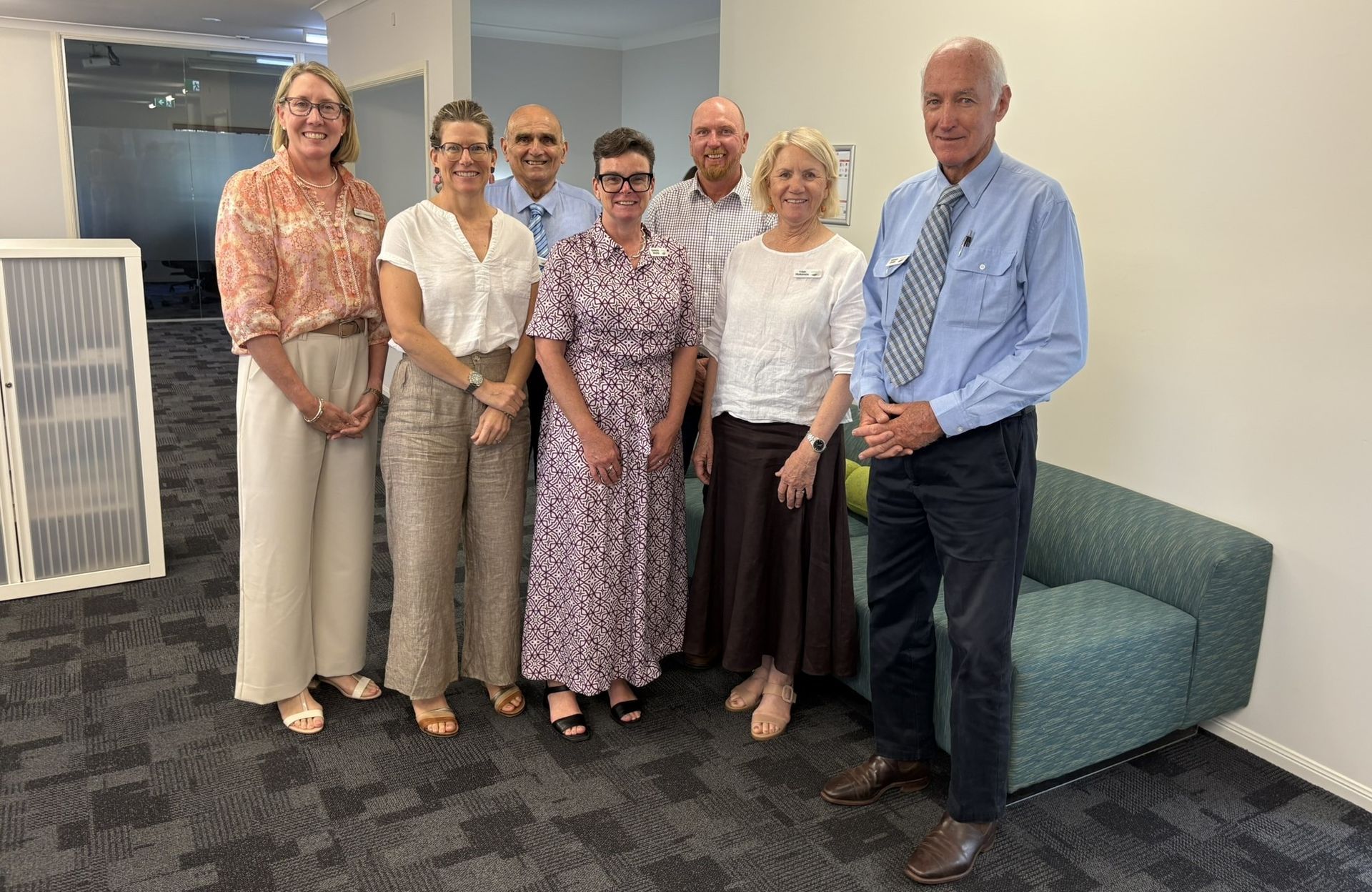
Southern Queensland Landscapes is pleased to announce key leadership changes following its 2025 Annual General Meeting, including the appointment of Anthony Glasson as the organisation’s newest Board Director. Anthony, who operates Picarilli Merinos near Thargomindah, brings broad experience in primary production, regional leadership and natural resource management. His long-standing involvement in rural industries and commitment to sustainable land stewardship will be pivotal in supporting Southern Qld Landscapes delivery under its NRM Regional Plan, Flourishing Landscapes, Healthy Communities . Southern Qld Landscapes also confirms the reappointment of Directors, Louise Winten from Morven and Pippa Jones from Goondiwindi. Both Directors bring substantial governance experience and strong regional perspectives, and their renewed terms will continue to support their commitment to community-led outcomes. Additionally, Southern Qld Landscapes acknowledges the contribution of retiring Director Hollie Grimwade, whose service has strengthened their strategic direction and regional engagement. Board Chair, Kimberley Swords said “these appointments reflect the stability and capability of Southern Qld Landscapes governance and the organisation’s strong focus on delivering real outcomes for our communities.” In welcoming and recognising the Directors, Ms Swords said: “I am very pleased to welcome Anthony Glasson as a new Director of Southern Qld Landscapes. Anthony brings a wealth of practical knowledge from his leadership of Picarilli Merinos and a deep commitment to our region. His understanding of land stewardship and his passion for community-led change will be invaluable. I also congratulate and warmly acknowledge the reappointment of Directors Louise Winton and Pippa Jones. I also want to sincerely thank our retiring Director, Hollie Grimwade. Her commitment, professionalism and regional understanding have been significant assets throughout her tenure.” “I would also like to acknowledge our dedicated staff, who continue to deliver meaningful outcomes for landholders, partners and communities. This year, we delivered more than $9 million worth of project activity across the region, with on-ground and in community work to support sustainable agriculture and build community resilience,” said Ms Swords. Members also voted at the AGM to adopt a new modernised, constitution in line with contemporary not for profit governance expectations. Southern Qld Landscapes looks forward to working under its renewed Board leadership to advance regional priorities, continue strong partnerships, and deliver tangible benefits across the Southern Queensland region.
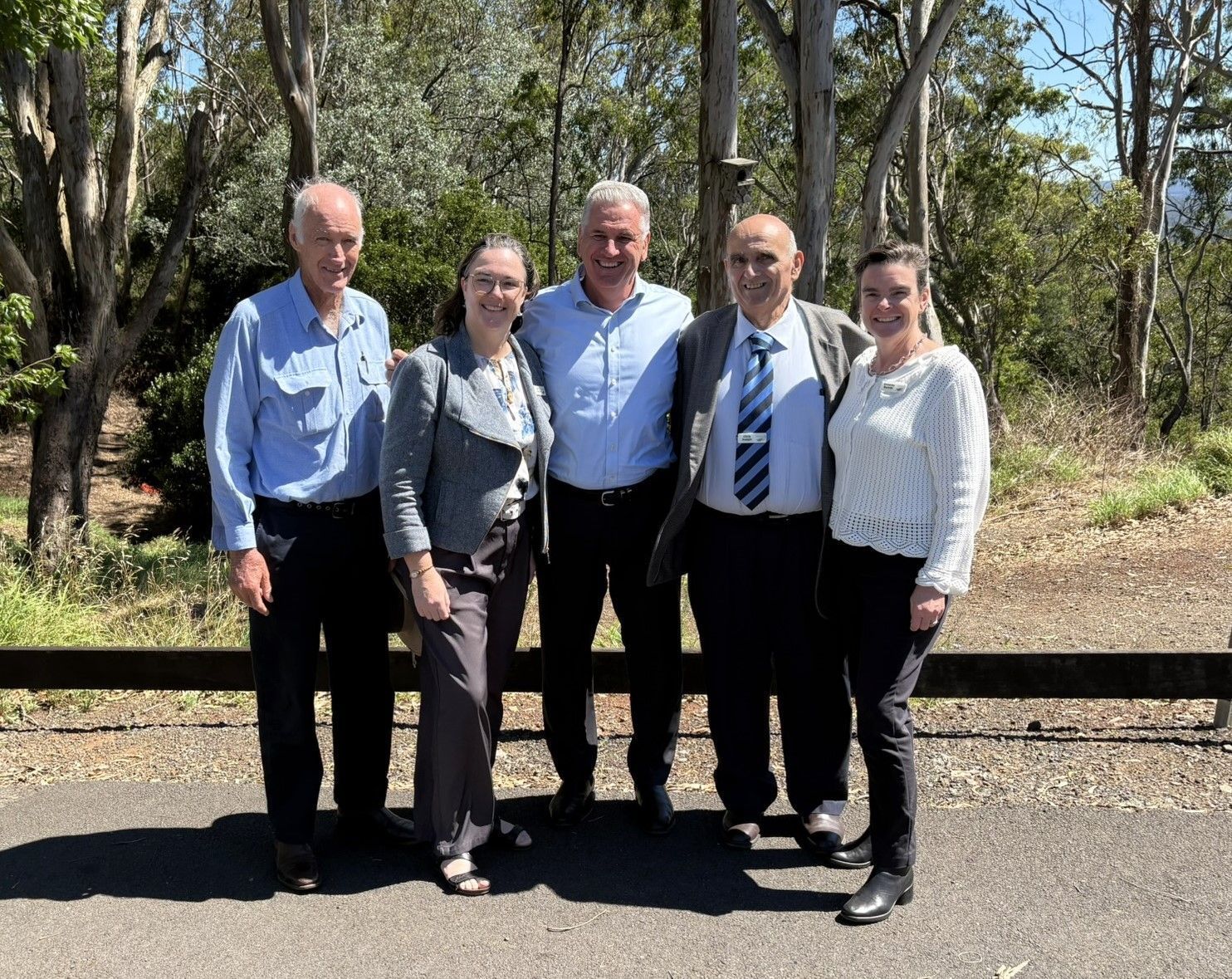
Southern Queensland is set to benefit from a major investment in Queensland’s natural assets, with more than $9 million allocated through the Queensland Government’s Natural Resource Management Expansion Program and delivered by Southern Queensland Landscapes. Southern Queensland Landscapes will receive $6.6 million to work with landholders to improve more than 124,000 hectares of land and vegetation adjacent to key waterways by installing fencing and watering points to better manage grazing. A further $2.5 million is allocated to the improvement of priority koala habitats and support animal movement and survival across Southern Queensland. This targeted action to remove key threats including wild dogs and invasive cactus species. Southern Queensland Landscapes CEO, Gillian Meppem said “the investment highlights the vital link between healthy landscapes, productive agriculture, resilient koala populations and thriving waterways.” “We are looking forward to delivering two key projects in partnership with landholders, through the Natural Resource Management Expansion Program. These projects are focused on protecting our waterways through improved grazing management and supporting thriving koala populations across Southern Queensland.” “Better grazing management, strategic fencing, and improved stock water infrastructure will enhance ground cover and protect waterways, ensuring our landscapes are more capable of resisting and recovering from natural disasters and the impacts of a changing climate.” “We are improving koala habitat by tackling key threats such as wild dogs and invasive cactus and supporting greater genetic diversity to ensure thriving koala populations across southern Queensland,” she said. Minister for Natural Resources and Mines, Manufacturing and Regional and Rural Development, The Honourable Dale Last, said “the funding demonstrates the Queensland Government’s strong commitment to supporting regional communities and natural resource management.” “When we came into government, we promised we would double funding for NRM organisations, and we would ensure our regional workforce would benefit, and we are delivering on that promise. “These NRM organisations are leading the way in safeguarding our natural resources, and that’s why we’re proud to support them and invest in Queensland’s future.” The NRMEP is a partnership between the Queensland Government and NRM Regions Queensland to deliver $117.84 million in on-ground land, water and biodiversity programs over the next three years.
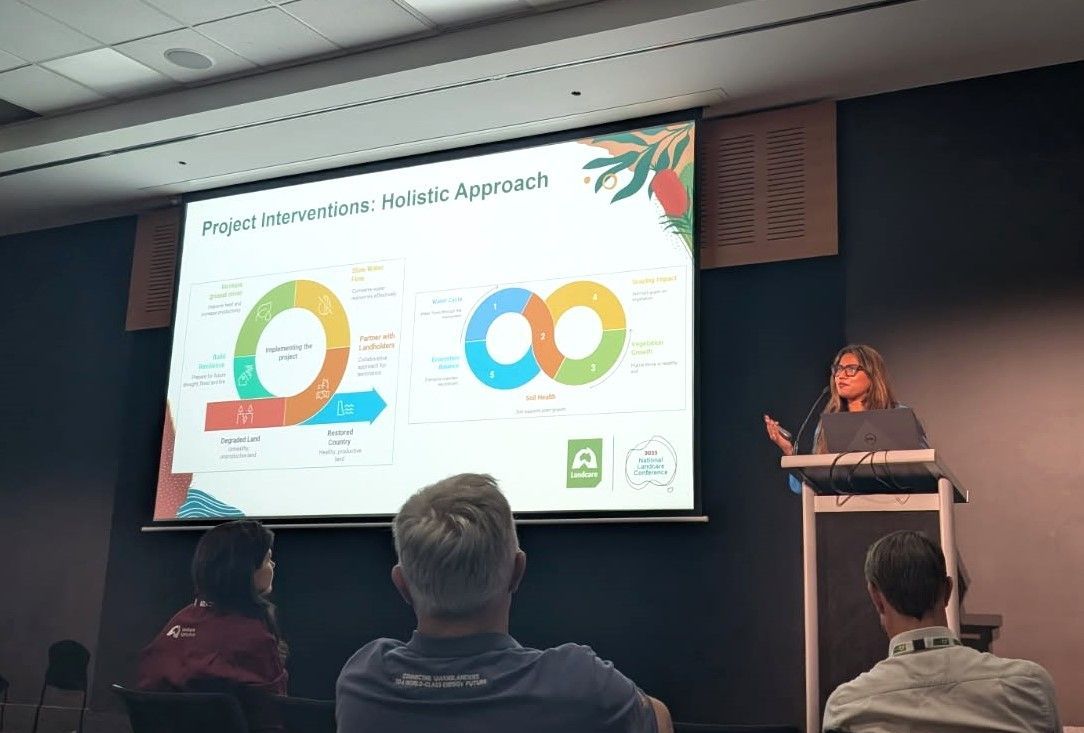
We are seeing fantastic momentum across the region, with strong interest from landholders in improving land condition. Even better, clusters of neighbouring properties are getting involved, a promising sign for achieving landscape-scale change that supports water infiltration, soil health, and resilient groundcover. To help visualise this, Projects Lead Payel Sinha, developed a set of clever graphics that capture the essence of the NRRP program. The circular diagram below shows how water, soil, vegetation, grazing, and ecosystem balance are interconnected, all working together to support healthier landscapes.
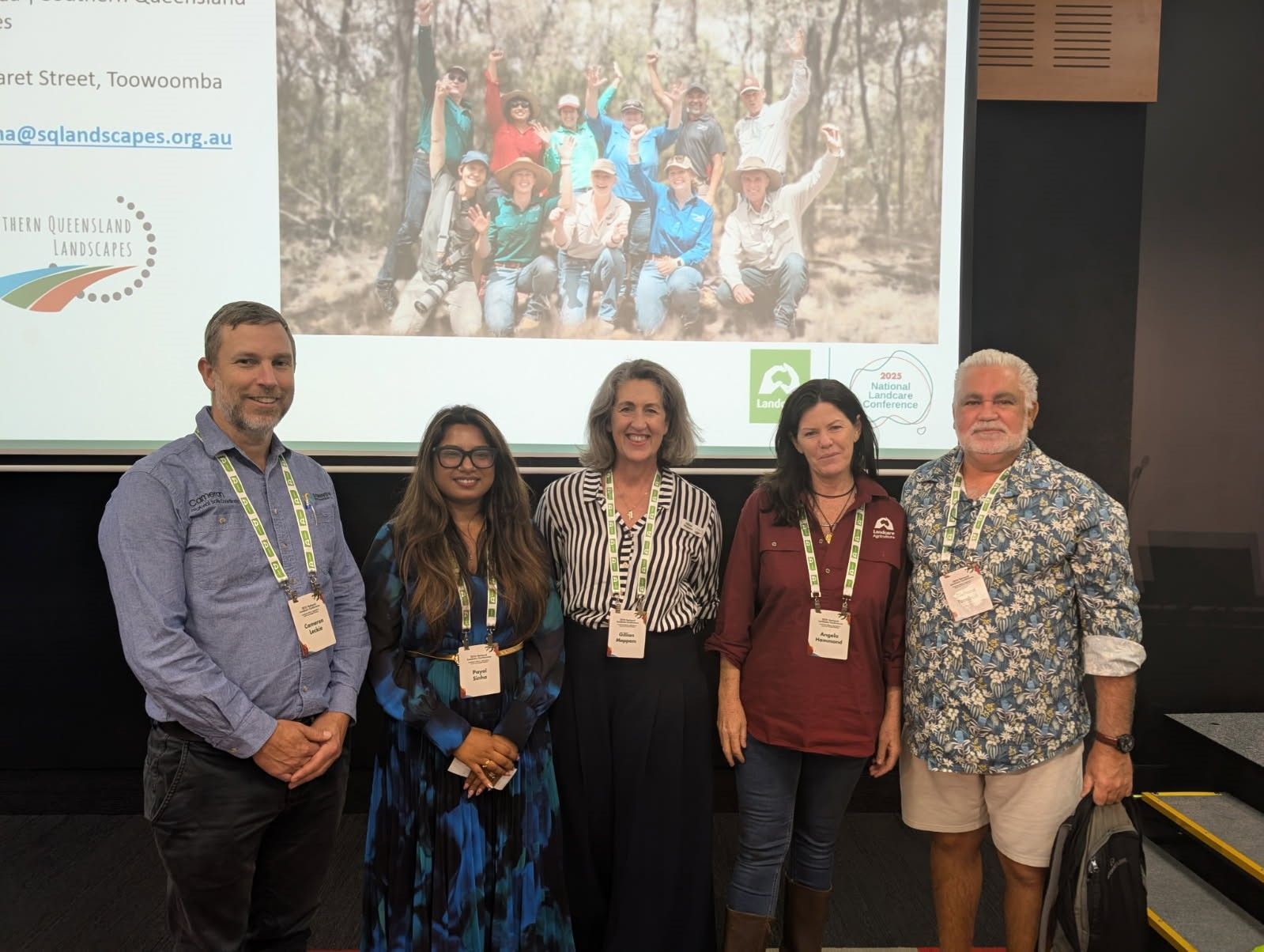
We were honoured to have CEO Gillian Meppem, Richard Turnbull, Dr Payel Sinha and Uncle Kevin, a Margany Elder from near Quilpie, come together on the Gold Coast for this year’s Landcare Conference, representing our vision, work and cultural partnerships across the region. Dr Payel Sinha delivered a presentation on the Natural Resource Recovery Program:A Holistic Approach to Restoring Landscapes , showcasing how integrative, place-based strategies can unite ecological health, cultural values and community resilience.
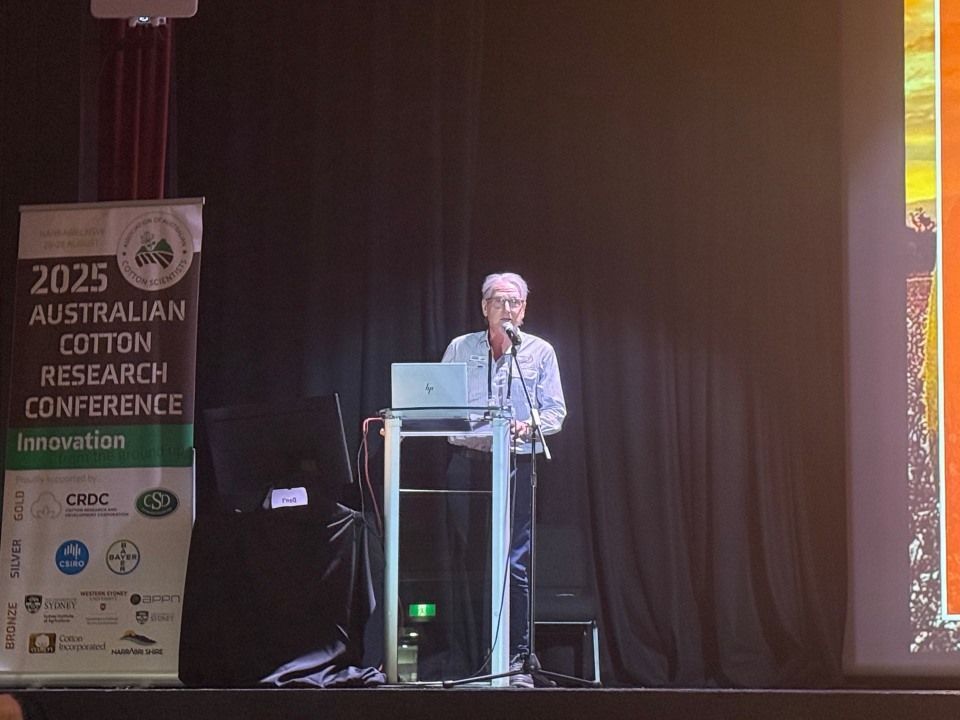
The rapidly evolving global market for agricultural commodities, including cotton, was front and centre at the recent Australian Cotton Research Conference held in Narrabri, NSW. A key theme throughout the event was the increasing pressure climate change places on cotton production and how the industry is adapting through innovation and research. Andrew Davidson of Southern Queensland Landscapes introduced an innovative national project funded by the Cotton Research and Development Corporation (CRDC). The project focuses on mapping woody vegetation across cotton farms in Australia, a crucial step toward better understanding on-farm biodiversity and supporting sustainability goals. The project uses a cutting-edge methodology developed by Southern Queensland Landscapes, drawing on a national dataset curated by the Terrestrial Ecosystem Research Network (TERN). What makes this approach unique is its ability to consistently measure vegetation across state and territory lines, overcoming long-standing challenges caused by fragmented and inconsistent regional datasets. The initiative is a true collaboration between the cotton industry, Natural Resource Management (NRM) groups, and NRM Regions Australia. Together, they aim to build a national picture of woody vegetation cover, including how much of it connects to larger, regional biodiversity corridors. Why It Matters... This vegetation data will provide a scientifically robust and cost-effective indicator of potential biodiversity on cotton farms. In practical terms, it can help: • Support cotton growers in meeting environmental standards for market access • Inform risk management strategies and conversations with financiers • Align with international frameworks such as: - The Science-Based Targets for Nature - The Post-2020 Biodiversity Framework - The Taskforce on Nature-related Financial Disclosures (TNFD) As the cotton industry looks to remain competitive and resilient in a changing climate, initiatives like this are critical. They help position Australian cotton as a globally trusted, environmentally responsible product.
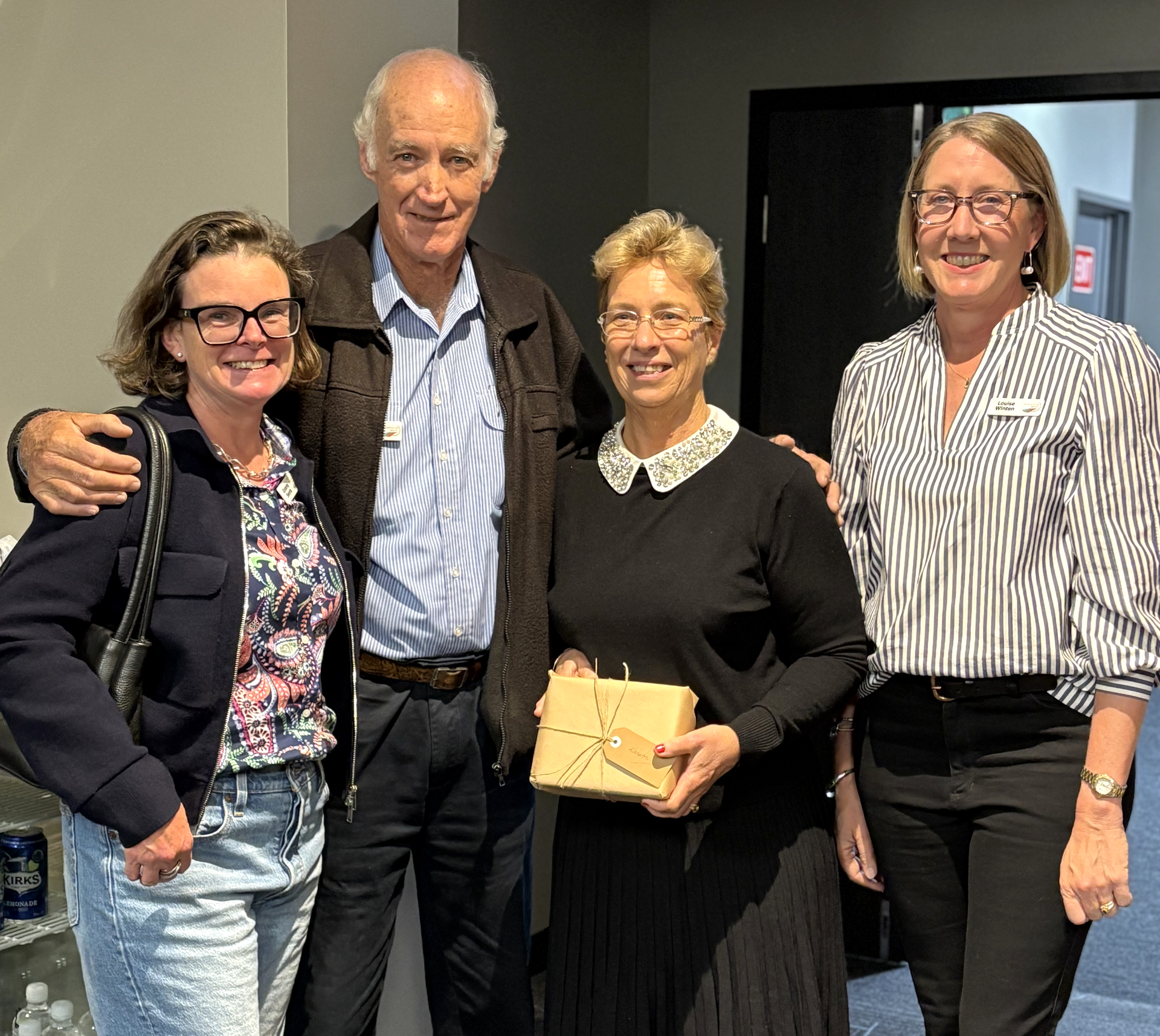
A Message From Our CEO, Gillian Meppem
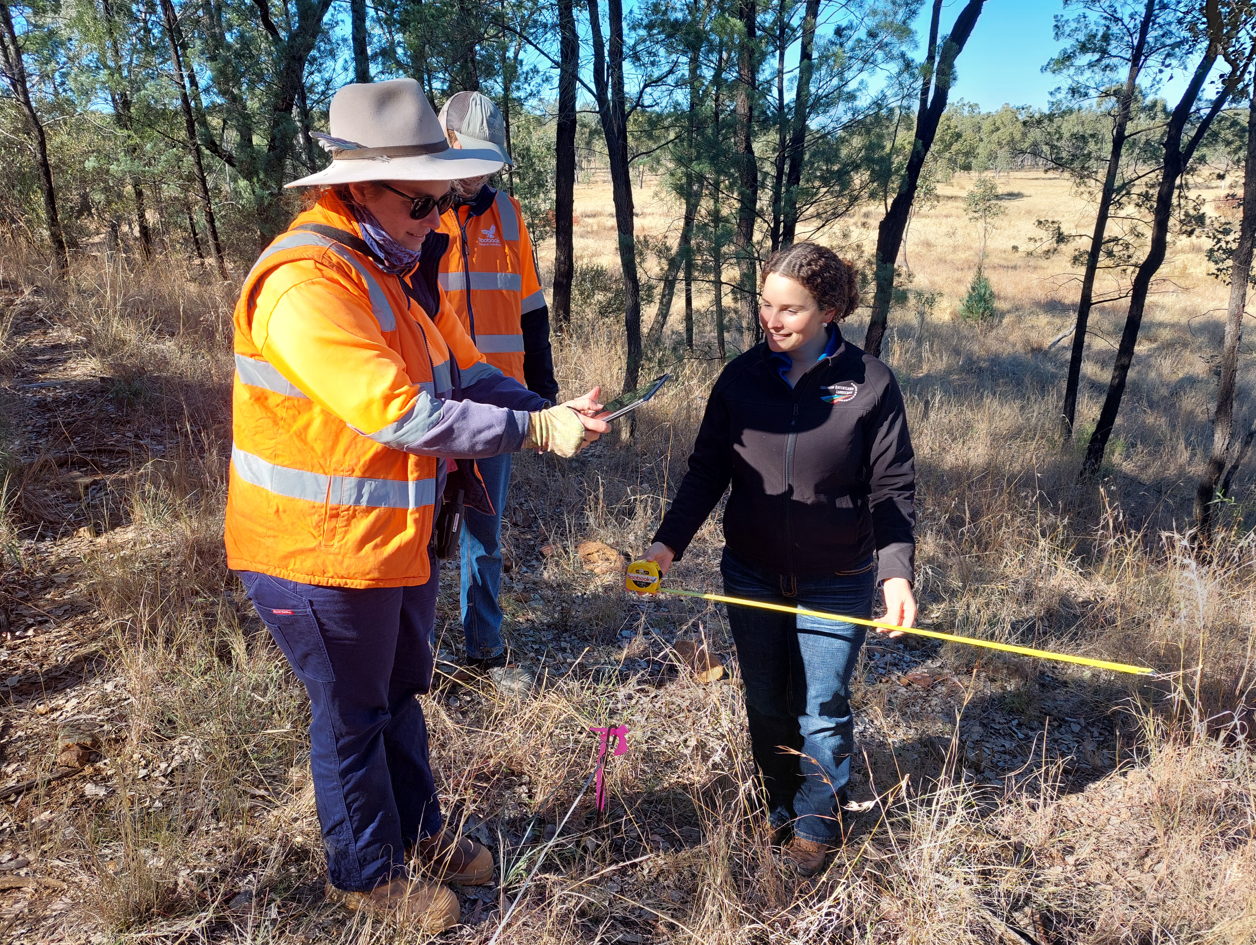
Project Officers Katrina Higgins and Erin Landsberg recently joined Rose and Weston from Boobook Ecological Consulting in Roma, to complete field monitoring in the Murweh and Maranoa districts. This monitoring measures the value and health of Coolibah, Poplar Box, and Brigalow habitat. During this time, we deployed acoustic recorders and motion-sensor wildlife cameras, and took DNA samples from nearby water sources to ascertain the fauna within these threatened habitats.
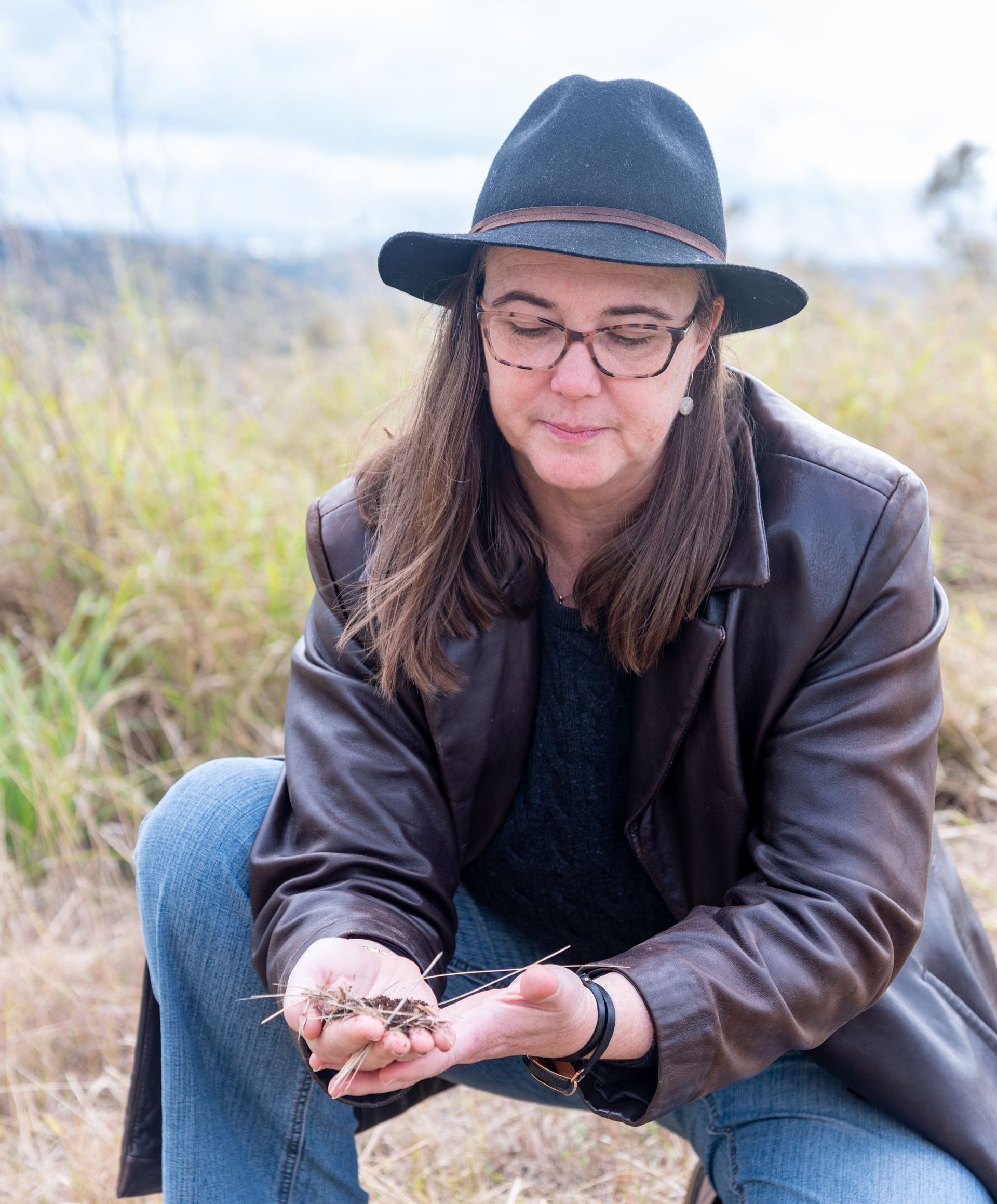
Playing a Leading Role in the National Soil Monitoring Program Queensland’s regional Natural Resource Management (NRM) organisations are playing a leading role in the National Soil Monitoring Program (NSMP), one of Australia’s most ambitious efforts to assess and improve soil health. Funded by the Australian Government through the Natural Heritage Trust and led by CSIRO, the NSMP will involve sampling at approximately 3,000 sites nationwide over three years, more than 850 of those in Queensland, with a focus on key agricultural zones. Queensland’s NRM groups have formed northern and southern clusters to deliver the program, contributing valuable expertise from over 25 years of on-ground experience. Southern Queensland Landscapes will lead delivery for the QLD South cluster of regions. The data collected will provide a nationally consistent picture of soil condition and health, enabling better decision-making for farmers, land managers, and policymakers to support sustainable, climate-smart agriculture. Jayne Thorpe, Business Development Manager at Southern Queensland Landscapes said, “In total, the QLD South cluster will collect 565 soil samples over the course of the project. That will work out as 11.3 tonnes of soil sent for analysis!”
1. What is Natural Capital? Natural capital refers to the natural resources and ecosystems, like soils, native vegetation, water, and biodiversity, that underpin productive farming and provide essential services such as clean water, healthy soils and carbon storage. For Queensland landholders, this means your land’s value now includes the environmental benefits it delivers, not just crops or livestock. While the term Natural Capital has risen to prominence with government, industry and the public in recent years, the sustainable use of our natural capital, its maintenance and improvement have been fundamental to regional NRM organisations since inception. Identifying and assessing our natural assets are foundational to the development of our regional NRM strategies and plans which guide our operations and provide us with the knowledge and expertise to play a key role in Australia’s efforts to manage and enhance our Natural Capital. 2. Why Does Natural Capital Matter in Agriculture? Australian agriculture is experiencing a shift where nature and production are seen as interconnected assets. This approach is being driven by both market demand and new government policies, with natural capital now influencing land values, investments, and farm business resilience. 3. How Can Farmers Monetise Natural Capital? Natural capital markets allow landholders to earn income by improving or protecting their land’s natural assets. The most common ways to participate include: Carbon Credits: Under the Australian Carbon Credit Unit (ACCU) Scheme, farmers can generate credits by adopting practices like reforestation, soil carbon improvement, or avoided clearing. These credits are regulated by the Clean Energy Regulator (CER) and can be sold to the government or private buyers. Biodiversity Certificates: The new federal Nature Repair Market, established by the Nature Repair Act 2023, allows farmers to earn tradable biodiversity certificates for projects that restore or protect native ecosystems. The CER also administers this market, ensuring robust oversight and scientific credibility. Land Restoration Fund (LRF): Queensland’s LRF builds on the federal framework, offering extra incentives for projects that deliver both carbon abatement and environmental co-benefits, such as improved water quality or habitat restoration. The LRF works in tandem with the ACCU Scheme and prioritises projects that support regional sustainability. More Information: www.environment.nsw.gov.au/topics/natural-capital/explained www.cer.gov.au/schemes/australian-carbon-credit-unit-scheme www.qld.gov.au/environment/climate/climate-change/land-restoration-fund www.nrmrq.org.au/queensland-nature-fund-natural-capital www.legislation.gov.au/C2023A00121/latest/text

The Board of Southern Queensland Landscapes is pleased to announce Kimberley Swords has been appointed as Chair of the Board of Directors. Kimberley began her working life as a large animal country vet, after student practical experience across Southern Queensland in Goondiwindi and Injune. Kimberley’s strong interest in natural resource management and regional communities has led her to contribute across a wide variety of industries including the public sector, where she rose to the role of Deputy Secretary in the Australian Government and led environmental approvals, heritage and marine. Her extensive leadership experience incorporates many board roles, including as a current serving member of the CS Energy board. “Following an extensive recruitment phase, where the Southern Queensland Landscapes Board were gratified to receive several high-quality applications, we are delighted to announce the subsequent overwhelming member endorsement of Kimberley as Board Chair. The appointment of a new Chair in any organisation represents an opportunity for refreshment and renewal and the Southern Queensland Landscapes Directors and staff are looking forward to working with Kimberley to deliver our Strategic Plan” said acting Southern Queensland Landscapes Chair, Louise Winten. Kimberly looks forward to engaging with stakeholders across Southern Queensland, with her first full board meeting set down for late June in Charleville. “It is an exciting and challenging time for the region, as we lean into the changing climate, different economic opportunities, and the next generation of regional leaders. I look forward to connecting and collaborating across our communities to better understand how Southern Queensland Landscapes can support sustainable environmental outcomes that materially improve the lives of people living and working in Southern Queensland,” she said. The position of Chair became vacant following the retirement of founding Chair, and long term supporter of regional natural resource management, The Honourable Bruce Scott, AM, at the end of February 2025. Bruce made a significant contribution to Southern Queensland Landscapes during his time as Chair and the Board thanks him for dedication, time, energy, and commitment to the organisation. Southern Queensland Landscapes is one of 11 Queensland-based Natural Resource Management (NRM) organisations. Spanning 314,398 square kilometres, the our footprint encompasses the Condamine catchment, Qld Murray Darling Basin and the south-west Mulga Lands. Southern Queensland Landscapes relies on evidence based information, supported by First Nations knowledge, to effectively balance productivity and environmental outcomes that support the regional communities within our landscapes.
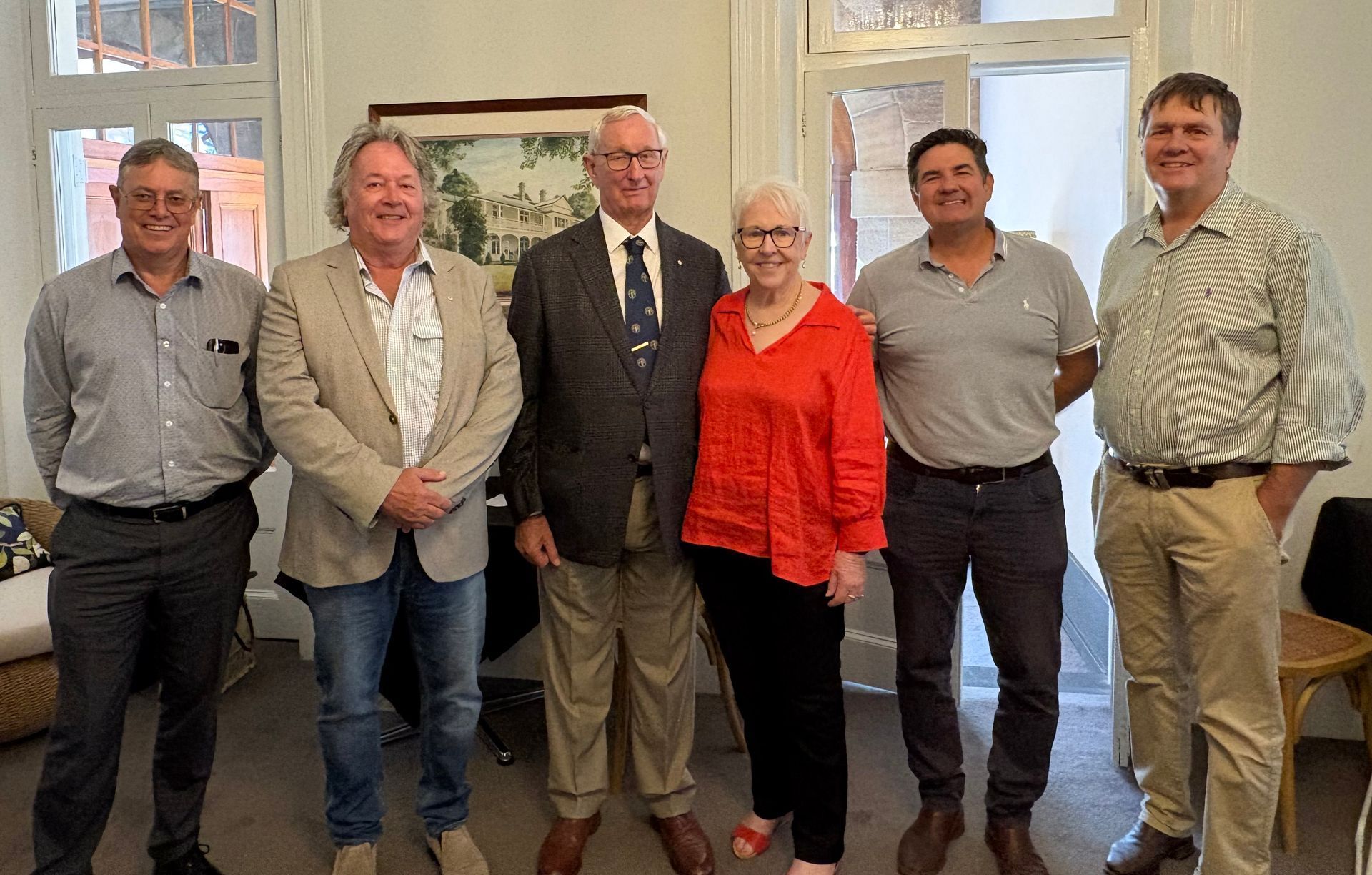
This week marked the final Board meeting for retiring Southern Queensland Landscape Chair, The Hon Bruce Scott AM. The Southern Queensland Landscapes Board hosted a function at Gip’s restaurant in Toowoomba, joined by past Directors, industry stakeholders and the Southern Queensland Landscapes Management team, where Bruce was warmly acknowledged and thanked. Bruce offered special thanks to his dear wife Joan for her support during his period of service to Southern Queensland Landscapes, in particular the warm country hospitality she has offered to many visitors to Roma. Bruce also recognised and thanked Southern Queensland Landscapes Company Secretary Pam Murphy, who has supported Bruce in his service to Southern Queensland Landscapes since the organisation’s inception.
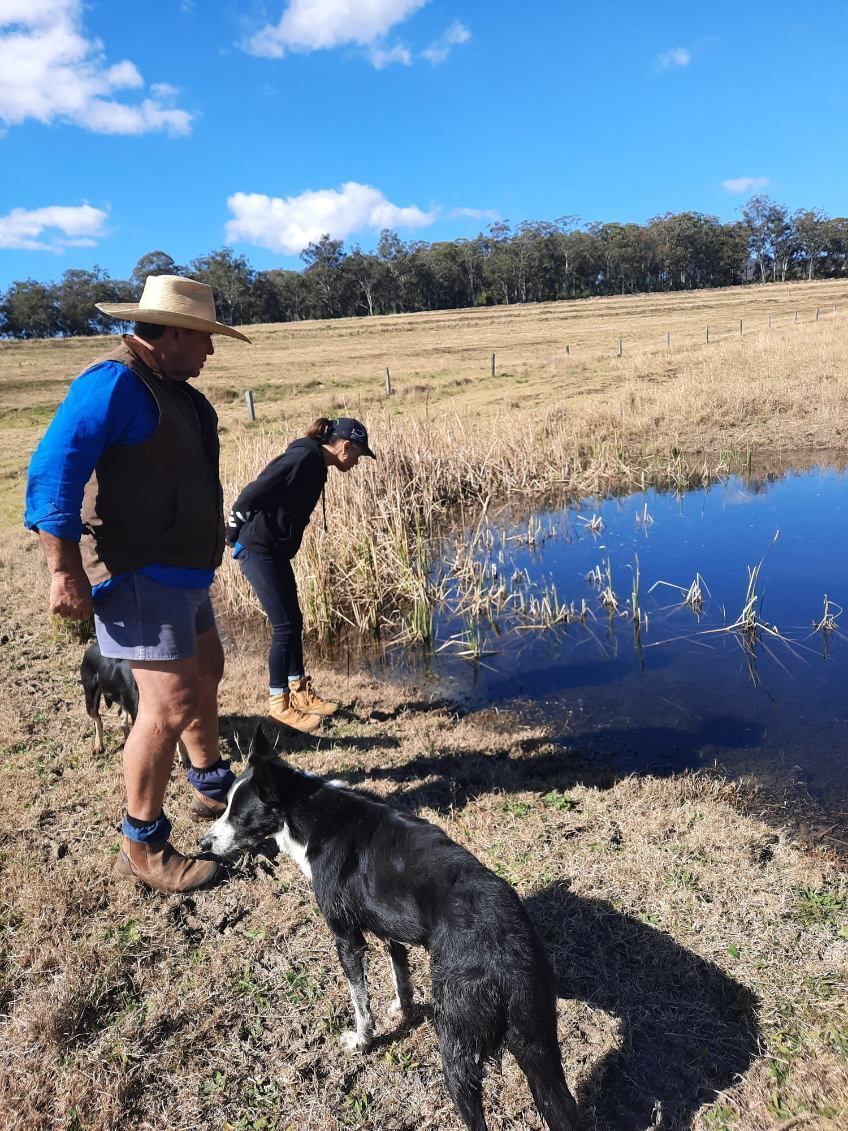
The Condamine Headwaters, a critical ecosystem in Southern Queensland, has long faced threats from sedimentation, habitat degradation, and thermal regime changes. The Blackfish Project, dedicated to reversing these impacts, unites scientists, landowners, and the community in a shared mission to restore and protect this vital environment. At its core lies the river blackfish, a sensitive indicator of the overall ecosystem health. Central to the project's success is the unwavering commitment of landowners like Paul Graham. Inspired by the project's vision, Paul reached out to SQ Landscapes seeking support for a solar pump and tank to divert his cattle away from waterways on his property. Paul's deep-rooted love for his land, captured in his humorous quip "I love my land more than I love my wife," is a testament to the powerful connection between people and place that drives conservation efforts.
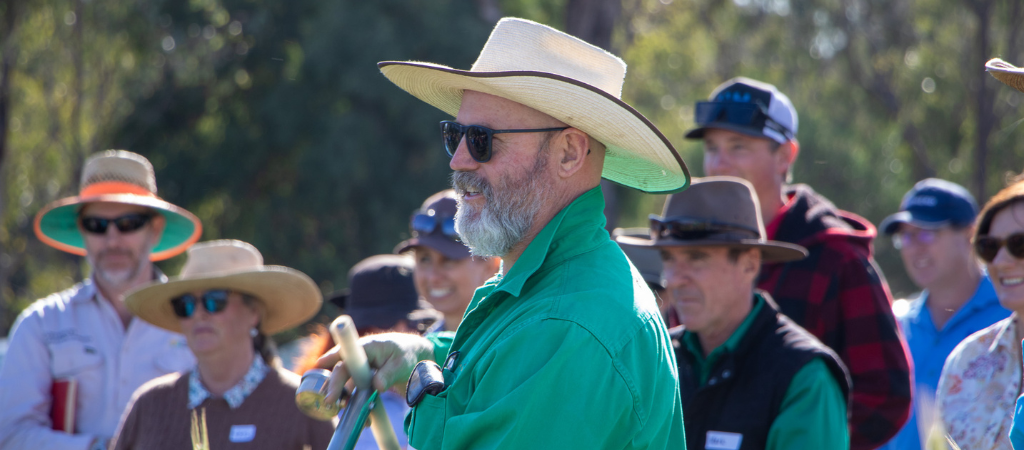
When Sophie and Adrian McInnerney began adopting their “paddock to plate” experiment into their lambing business, they quickly discovered how a new and exciting approach to running their enterprise transformed their resilience and soil health. Multi-species cover cropping was the answer, and now their business has become a diverse enterprise that has embraced variations in livestock feed and crop rotation, building riparian fencing, and investing in healthier soils. This has opened the young couple to new opportunities to create new revenue streams, protect their business against natural disasters, drought, and prepare for economic hardships. Their property, “Bellhaven Brook”, located just an hour east of Goondiwindi, was the site of Macintyre Ag Alliance’s latest Multi-Species Cropping Field Day. With the support of Southern Queensland Landscapes (SQ Landscapes), the event aimed to promote the McInnerney family’s new land practices, offering an opportunity to educate land managers in the region of new ways to strengthen their property and enterprise. SQ Landscapes’ Goondiwindi-based Project Delivery Officer Keith Walker joined land managers for the workshop and highlighted how multi-species cover cropping could pave the way to rebuilding healthy soils and farming enterprises. “What was great about visiting ‘Bellhaven Brook’ is that you don’t have to be a scientist to understand this stuff. The idea is to just try and experiment like the McInnerneys did,” Keith Walker said. “These cover cropping systems are all about building your experience, experimenting and slowly developing a healthier and richer soil profile; which is the basis of all businesses; cropping and grazing alike.” Mr Walker said. “It was interesting to see the range of people, the ages from young and old, and the differences in enterprises. It’s a reminder that this genre of agriculture is starting conversations,” he said. “It’s all about implementation on the ground and getting the results for less money and experimenting with what people are doing.”
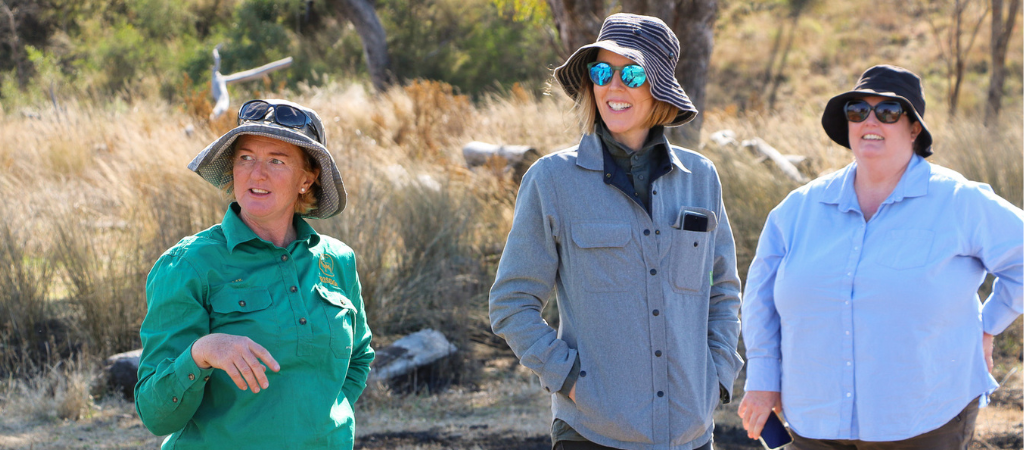
Cool burns, camels, and funding for local farmers were on the agenda at 'Risdon Stud' as land managers Nick and Liz Suduk hosted the Southern Queensland Landscapes and Department of Resources site visit to showcase the success of the Natural Resources Investment Program 2018-2022 (NRIP). Risdon Stud, south of Warwick, was primarily a high-intensity horse stud, but under new ownership with the Suduk family, the focus has been on restoring productivity and landscape health. “The Suduks participated in the NRIP project, where they received on-site guidance from First Nations fire practitioner Robbie Williams from Fire Lore, for cool burning in native vegetation areas,” Project Delivery Lead Natasha Mylonas said. “This was their first exposure to this type of burning and they have since embarked on a journey towards building their confidence in applying it elsewhere on the property,” Ms Mylonas said. “The NRIP project also supported livestock fencing, largely to exclude cattle from a large patch of remnant vegetation, combined with weed management in that remnant vegetation,” she said. “It is really difficult to muster out of the remnant vegetation, so the fencing has meant easier mustering of the cattle, as well as reduced weed spread and damage to the native vegetation in the patch.” “Outside of the NRIP project, they maintain a herd of agisted camels as part of their weed management strategy and experimented with fire to manage wattle regrowth,” Natasha Mylonas said.
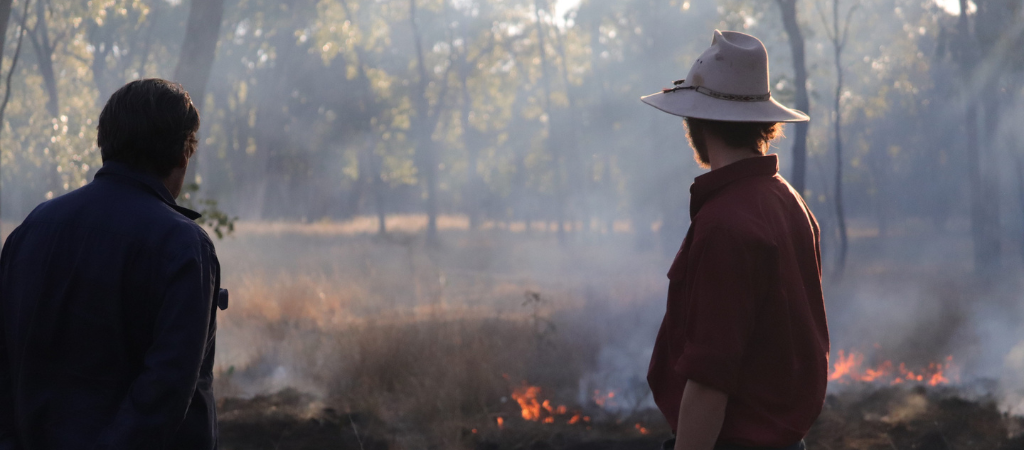
Fire is crucial to maintaining our landscapes. That’s according to fire practitioner Robbie Williams, who accompanied Southern Queensland Landscapes earlier this year to bridge fire practitioner knowledge with First Nations Peoples across the southwest. Robbie has since returned to the region - this time accompanied by members of our Charleville team as he hosted training along the slopes of the culturally significant site of Mt Tabor, just outside Augathella. “This is the continuation of what we achieved last time we were in the southwest,” Robbie Williams said. “Last visit, SQ Landscapes connected me with local First Nations mobs including Kunya, Bidjara, Mardigan, Boonthamurra, Kooma, Kullilli, and Murrawurri,” Mr Williams said. “During this visit, many of these mobs agreed to trial fire practitioner training for young men in the area to bring burning back onto Country; and that is exactly what we’re here to do today!” he said. “It’s really inspiring to see these communities taking on the opportunity to learn about burning and we’re hoping this will develop into businesses the local mobs can build to manage their Country.”
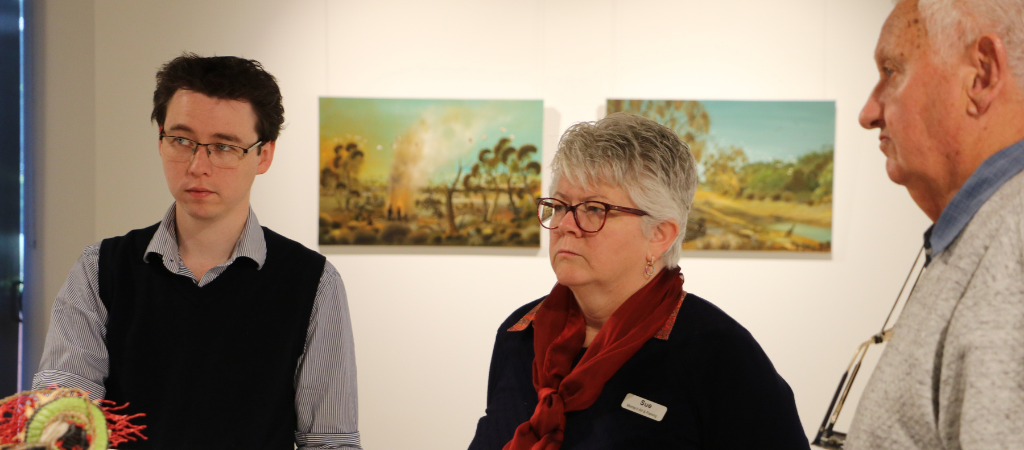
Winners in the Southern Queensland Landscapes and University of Southern Queensland’s 2023 First Nations Art Competition have been announced to a crowd of more than 150 people in Toowoomba. Overall Grand Prize and Digital Medium Category winner has gone to Robert Claude Manns for his piece ‘Mandan’. "I wanted to express the fractured relationship that I have with some of the Mandandanji People. Unfortunately many of us feel connected to our Nation, but not always the people," Robert Manns said. "My piece was assisted through artificial intelligence (AI) art and I found that to be a really powerful tool in discovering how I wanted this art to go," Mr Manns said. "I've always been artistic, and I wanted to explore Indigenous art, but I wasn't great at it and I found the style difficult to personalise. AI and digital art has allowed me to connect with Indigenous art in my own way and explore things the way I wanted," he said. "I'm really glad it worked out and people liked the art!" "In truth, I thought I might only get an encouragement award, but to first see I won the digital art and then the Overall Grand Prize was just spectacular. There were tears in my eyes. I wasn't expecting to get so far!" Robert Manns said. "I want to thank everyone who made Indigenous art through the millenia; otherwise I wouldn't have done it," Mr Manns said. "Shortly before he passed away, my dad put me onto the competition and I thought I'd give it a go. I wish he was here to see it, as he was my inspiration for making this art." he said. "He was my inspiration and my supporter through it all."
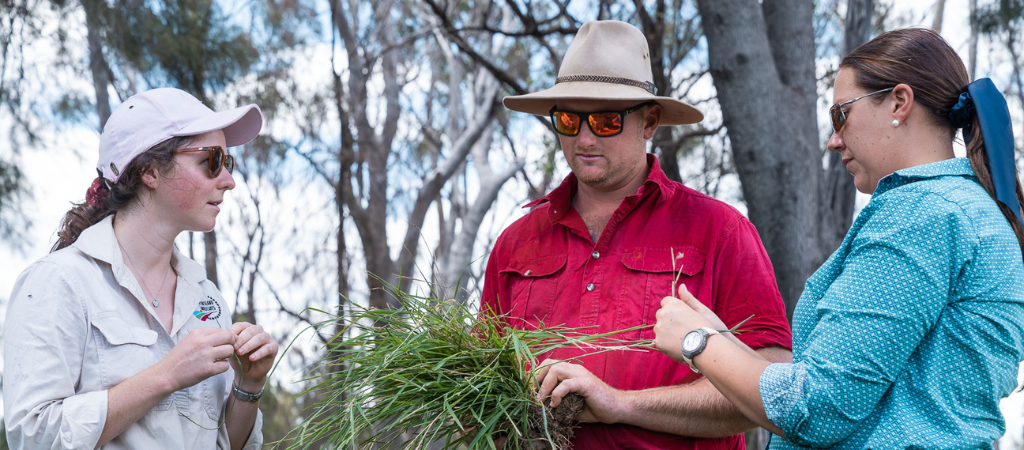
It’s amazing how quickly a landscape can rebalance itself according to Jarrod and Sam Thomson of ‘Gum Gully’, located some 14 kilometres south of Drillham in Queensland. The couple purchased the 820 hectare property in 2020 and since then have been working to reverse landscape damage caused by years of drought and overgrazing. “Gum Gully is a very diverse farm with a lot of timber ranging from Mallee box to belah, sandalwood and a lot of native pastures,” Jarrod Thomson said. “It’d been really knocked around by the droughts and our main goal was how do we bring back this place to make it a viable enterprise again?” Mr Thomson said. “Quickly realising that we had to rehabilitate the land and rehydrate it fast; desertification had set in and we were struggling to grow galvanised bur,” he said. Rehydration works included some contouring and soft engineering works combined with farm dams to slow the flow and manage water across the property to maximise each rain event regardless of whether it was 10mm or 100mm.
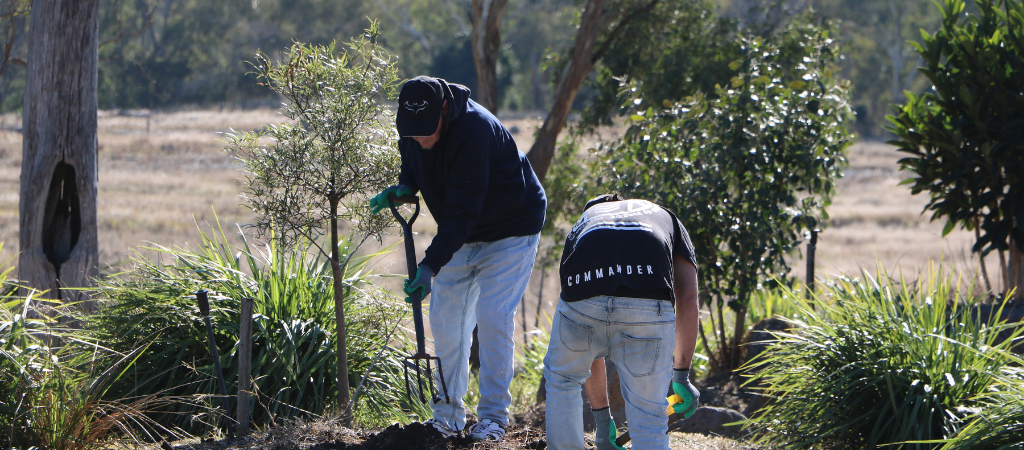
Reconciliation was on the agenda at Gummingurru for National Reconciliation Week. First Nations, local community, and avid gardeners came together for a round of truth telling and tree planting. Located north of Toowoomba, Gummingurru is an ancient and sacred site for Western Wakka Wakka Peoples, serving as a stopping point for First Nations Peoples on their way to the Bunya Mountains. Western Wakka Wakka man Shannon Bauwens, a First Nations man from the Bunya Peoples’ Aboriginal Corporation (BPAC) led the event with a smoking ceremony and a round of truth-telling at the yarning circle near Gummingurru. “Reconciliation is about talking to each other. Coming together and making something positive as a community,” Shannon Bauwens said. “This yarning circle we are standing in now represents thousands of years of storytelling,” Mr Bauwens said. “Today is all about sharing our stories and finding new ways to come together as a community; whether you are Indigenous or not,” he said. “We have people from all different Nations, from Western Wakka Wakka, to Bunjalung, Gomeroi, and more.”
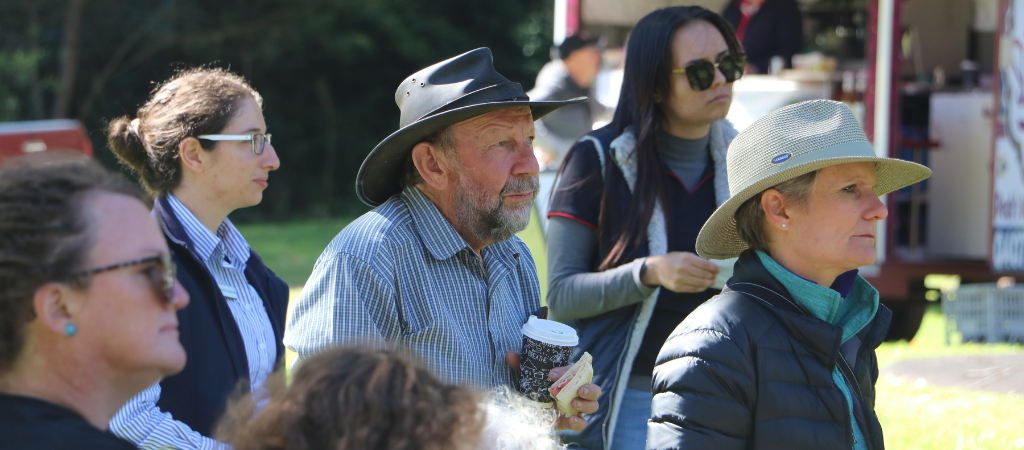
The Killarney community came together at Browns Falls to celebrate the achievements of the River Blackfish project, which saw people from all over the Southern Downs join to save a locally threatened fish species. It’s a success story of hope, science and community coming together. Over two years, Southern Queensland Landscapes, local land managers, First Nations, government departments, environmental organisations, and members of the community worked together to undertake actions that will reduce sedimentation and increase the thermal habitat in streams - two vital requirements for Blackfish persistence and recovery. “What makes the Blackfish such a fragile species is that they can only survive in very specific temperatures; below 28 degrees celsius,” Project Delivery Officer Breanna Humes said. “That means that when temperatures rise beyond that, Blackfish really struggle and you start seeing populations decline,” Miss Humes said. “We are so fortunate to see these populations persisting and it was inspiring to see the broad mobalisation and passion of the local community to help the plight of Blackfish,” she said. “Today also demonstrated how proud Githabul Nation was to be involved in this project at every step - not only in driving the promotion and raising awareness of this issue, but also in sharing valuable Traditional Ecological Knowledge.”
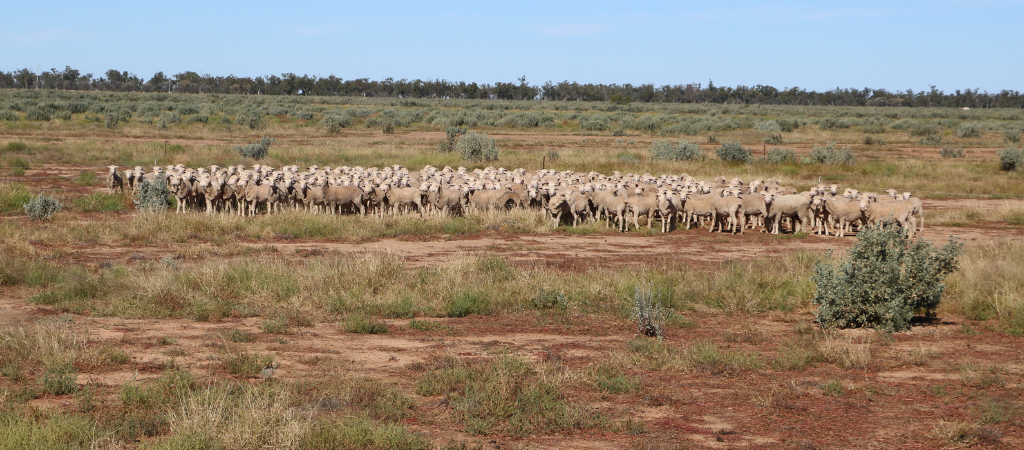
A project aimed at reversing damage causing non-productive bare ground is underway in Southern Queensland. The ‘Creating Flourishing Landscapes to Support Healthy Communities’ project is a $2.1M investment through Queensland Government’s Natural Resource Recovery Program. Southern Queensland Landscapes Chief Executive Officer Paul McDonald said the project will help land managers improve some of the state’s most important environmental, grazing and cropping assets. “In the next 14 months SQ Landscapes is working with land managers in the Lower Warrego, Traprock and Mitchell areas to improve soil health and land condition directly across more than 46,000 hectares initially, working towards 162,000 hectares later in the program,” Paul McDonald said. “This work helps land managers to mitigate the impacts of drought, flood, fire and climate change as well as further develop local knowledge and foster strong community partnerships,” Mr McDonald said. “We will be working with land managers to target weeds, address erosion, install off-stream watering points and fencing for better grazing management; soil testing to inform appropriate actions to improve land condition; slowing the flow of high velocity water; and, assisting land managers to improve pasture composition,” he said. “By addressing bare ground areas in these three priority areas, the landscape’s resilience and ability to respond to natural disasters and climate change improves while at the same time supporting land managers to adopt more sustainable practices, and ultimately, their local economies.”
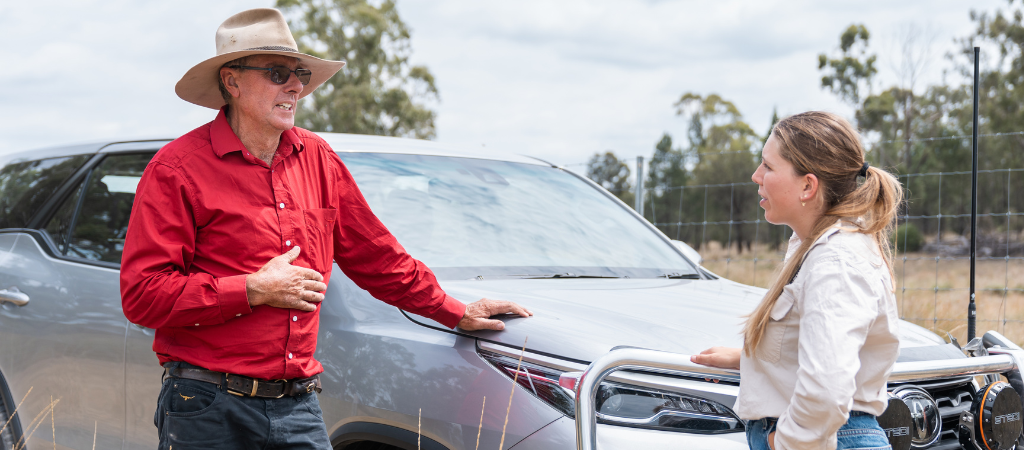
Looking to the past has enabled an Inglewood land manager to seek solutions for the future sustainability of his farm and secure its viability for the next generation. Peter Ramsey was inspired to reinstate exclusion fencing around his 2,000 acre grazing property after he noticed the original fencing coming out to ‘Old Paisley’ in a 1927 black and white photo found in the local museum. “My wife Julie and I live on a property here called ‘Old Paisley’ and her family have been here almost 100 years and we mainly run goats, cattle and a few sheep; and we have a 200-hectare soil carbon project,” Peter Ramsey said. “We’ve been here two years full time, and our son Angus and his wife Emily and their daughter Zara are becoming part of the farm so they’ll be fourth and fifth generation people who have been on this property,” Mr Ramsey said. “The things we are doing, I might not see some of them, but hopefully they’ll get the benefit of that,” he said. “Behind me here is the original exclusion fence and in the last five years we have replaced that fence; my brother-in-law organised to get all the local farmers together, we had a meeting and as a result of that meeting, Ross and I went ahead and did the exclusion fence and since then they’ve all jumped on board and they are all getting the benefits of the State Government’s initiative and that is to fund these exclusion fences.”
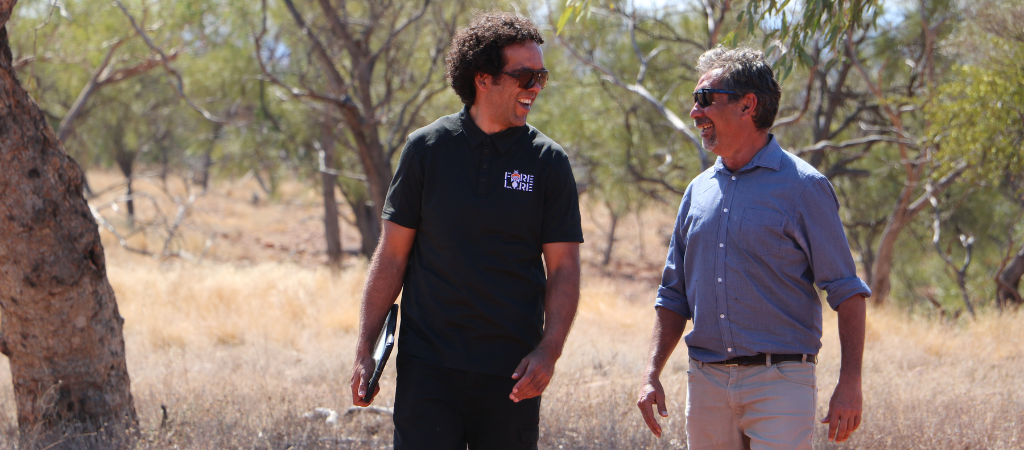
Robbie Williams' job is far from ordinary. A unique set of skills and over 60,000 years of First Nations lore is key to what makes him the first line of defence against devastating bushfires. Now he is sharing that knowledge with the First Nations mobs of Southern Queensland. Robbie is a Fire Practitioner, a trained First Nations individual who manages and protects Country by regulating excessive fuel load through cool burns - a strategic burning of vulnerable landscapes to mitigate available fuel for bushfires during dry seasons. “Because our landscapes get so dry during the summer periods and drought, cool burning allows us to minimise the amount of fuel those bushfires can use,” Robbie Williams said. “Unfortunately, due to poor management in many areas and excessive clearing, we have an imbalance on Country which actually makes us more vulnerable to bushfires; fortunately, cool burns are essential to managing this,” Mr Williams said. “We can stop bushfires in its tracks by targeting what is most likely to get those fires going and to direct it away from particular areas,” he said. “This is a slow method that’s controlled and strategic; we don’t just light a fire and leave it to go wherever it wants.”
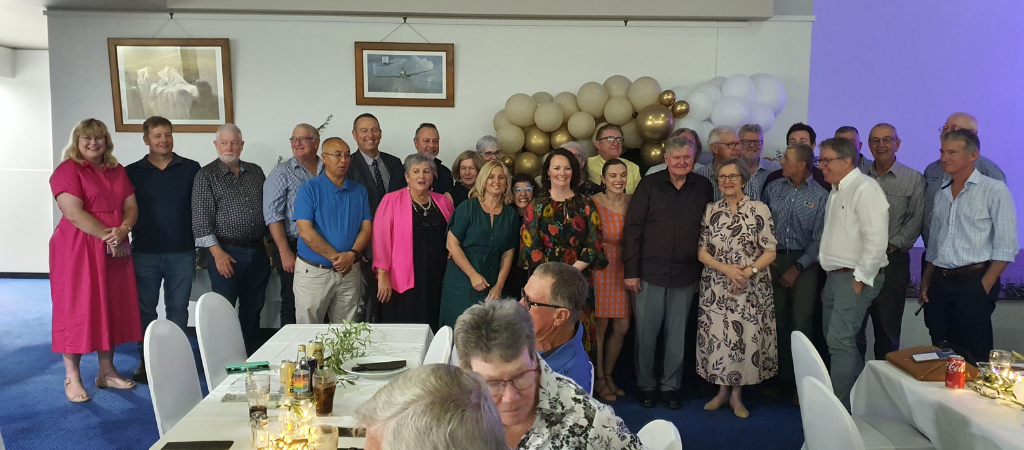
Contributed by Paul McDonald
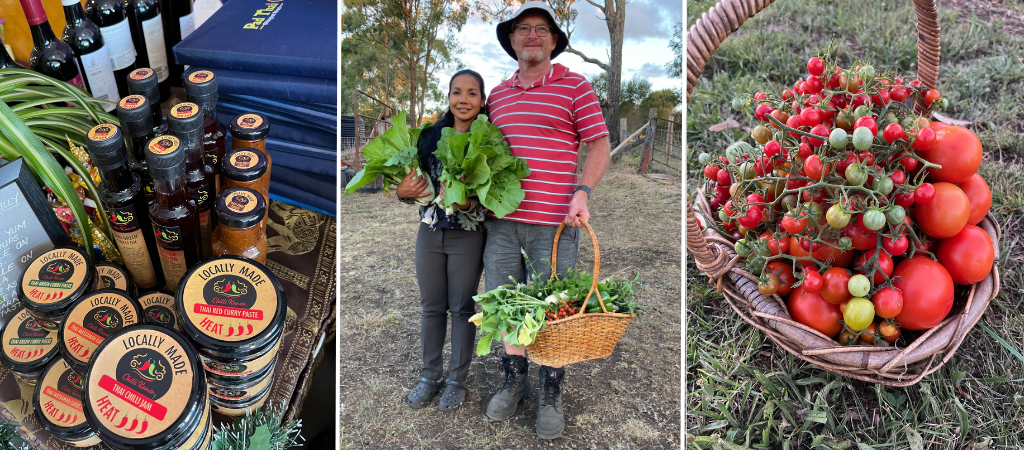
Thai-born Toowoomba resident Nayada Hansopa (aka Kanon), is a successful business woman. Three years ago, with the help of the Australian Government’s NEIS scheme and for-purpose economic development group Many Rivers, she started the transition from Jobseeker and part-time cleaner to owner of a Thai cooking school and handmade condiments. Chilli Kanon now supplies seven Toowoomba retail outlets and restaurants with delicious hand made curry pastes, oils and jams and is a regular at the Cobb & Co Farmer’s Markets; plus her chillikanon.com website hosts a convenient online shop supplying people throughout the Darling Downs. This year, Kanon has set herself a new target to also grow the majority of raw produce used in her condiments right here in Toowoomba; which will not only ensure that her product is the freshest on the market but also boast the lowest food miles. Food miles is a term used to describe the distance or journey your food takes to get to your plate. The average grocery shopping basket in Australia has travelled a staggering 70,000 kilometres*. Over the past 8 months, Kanon and Irish born partner Jim Kelleher have transformed a half acre paddock on their small Hodgson Vale farm (8 acres) to a lush, green Thai garden. “I love to cook and owned a beachside restaurant on Ao Yon Beach in Phuket for about seven years cooking traditional Thai meals for tourists and locals,” Nayada Hansopa said. “Cooking has been my passion forever and I love to grow much of the produce I cook, so I know it is organic and with no chemicals and fresh,” Ms Hansopa said. “When I first started Chilli Kanon I would buy most of my product from the markets, but when winter came I had to buy product from Bundaberg and the price was so dear; so being able to grow our own produce and dehydrate the chillis to be used in winter when we can’t grow them means we can keep our costs down and better manage our supply,” she said. “Niche and boutique. We can’t compete with Coles. But we can offer a niche, boutique product that is grown here on the Downs where we live and that’s where we want people to be eating our product.”
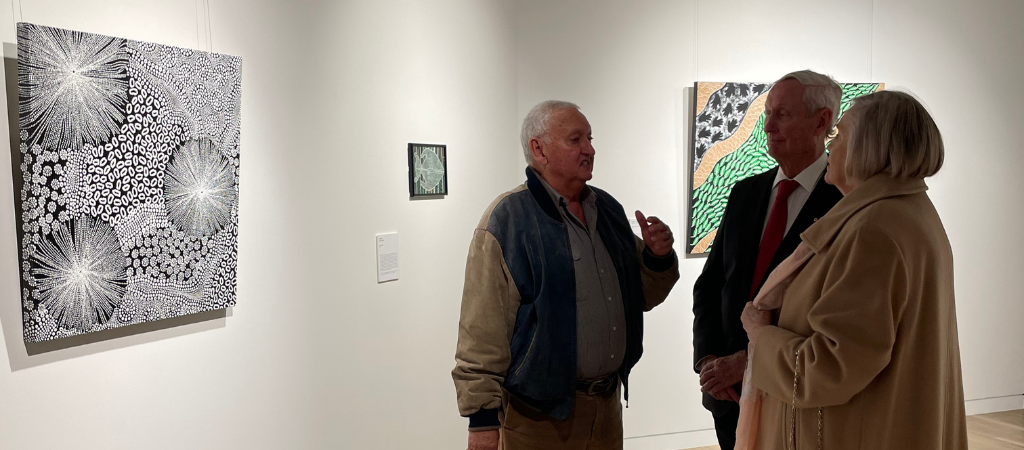
Southern Queensland Landscapes (SQ Landscapes) and the University of Southern Queensland (UniSQ) invites First Nations people from our 28 Nations in Southern Queensland to showcase their original works created within the last two years. The competition's theme, "Get up, Stand Up, Show Up," highlights the deep and enduring relationship between First Nations peoples and their land and environment, and to encourage artists to share their unique perspectives and beliefs. The winners of the competition will receive a range of prizes that is valued up to $18,000, including cash awards and art supplies, and will be displayed at the University of Southern Queensland gallery. Breanna Humes, the coordinator for the competition at SQ Landscapes, emphasizes the competition's importance in recognizing and supporting First Nations artists. She believes that First Nations art is an integral part of Australia's cultural identity and heritage, and the competition provides an opportunity to celebrate the creativity and diversity of First Nations artists and promote their works to a wider audience. “The First Nations Art Competition is an important step to recognising the significant cultural value that art plays in Indigenous communities,” Breanna Humes said. “Last year’s competition featured a wide range of contestants, from young Indigenous people all the way to some of our most recognisable Elders,” Miss Humes said. “There’s also a diversity in Nations that participated, from Kooma to Bidjara, Gamileroi and more,” she said. “We’re really excited to see who, and what, is submitted this year; particularly with the addition of new digital and 3D mediums.”
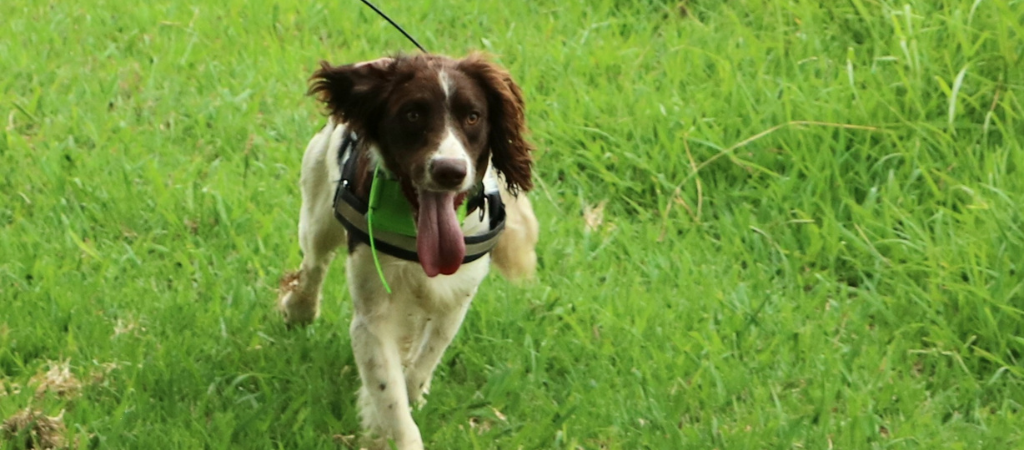
Meet Hercules, Southern Queensland Landscapes’ latest Springer spaniel who after several months of extensive training will become the latest addition to the Conservation Detector Dog team. Nicknamed ‘Hakka’, when he graduates from training, he will be a recognised expert in detecting fox and koala scents; with those skills going on to assist in a variety of pest management and conservation projects. Hakka’s handler, Project Delivery Officer and former Ugandan Wildlife Ranger Hanington Agaba is optimistic about Hakka’s transition into the team. “Hakka is a massive upgrade for our team, particularly as our oldest detector dog, Rocky, begins to retire,” Hanington Agaba said. “He’s already mastering the fox and koala scents, which is a terrific achievement given we only started training in late January,” Mr Agaba said. “We hope to train him in as many scents as we need, but currently we are teaching him to identify fox dens and endangered koalas,” he said. “While the training does encompass identifying scents, there’s other components too including bonding, obedience, and commands which will help him do the best job he can while in the field.”
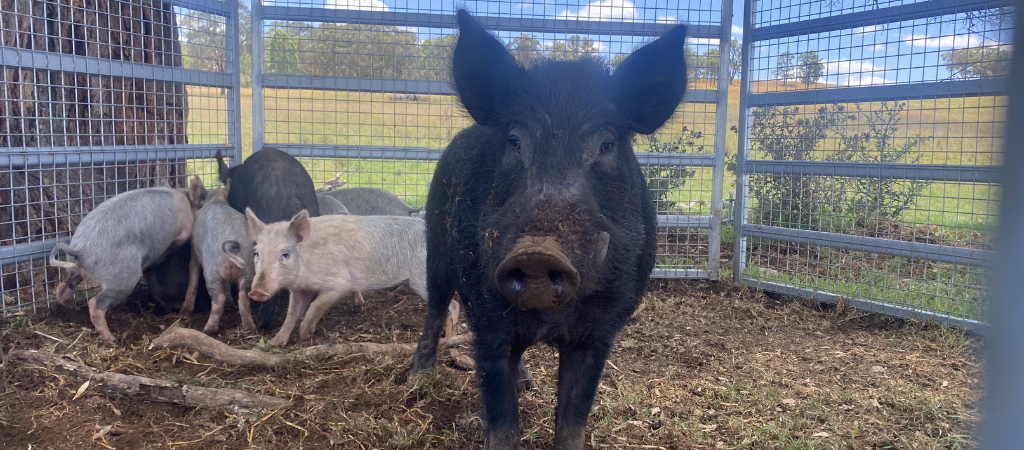
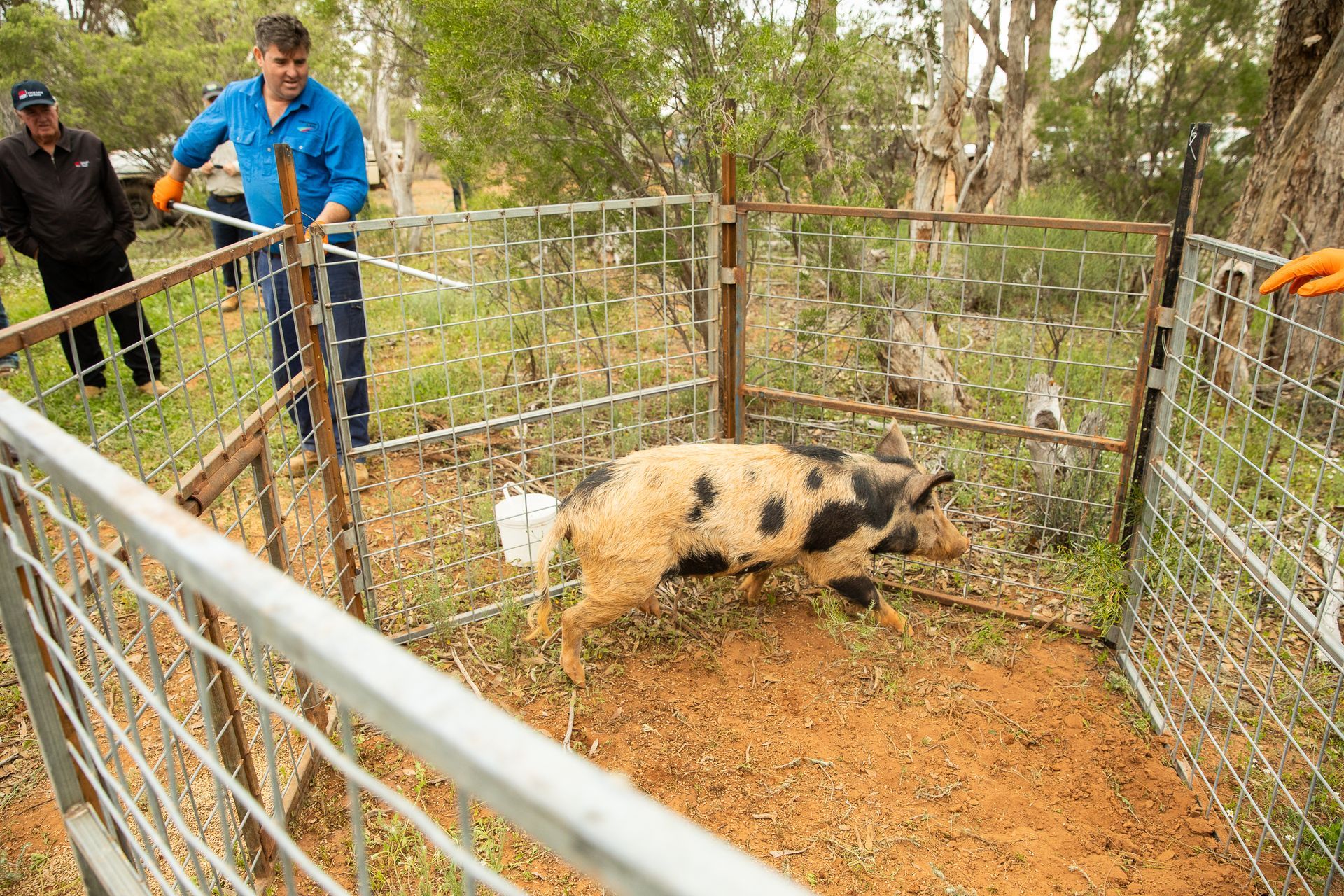
If foot and mouth disease (FMD) hit Australia; could it be controlled? That’s the $24 billion* dollar question being put to the test by scientists and biosecurity experts leading a simulated FMD outbreak on 60,000 hectares in the New South Wales region of Nullamanna. Northern Tablelands Local Land Services (NTLLS) is heading up the $1.4M simulation in conjunction with the NSW Vertebrate Pest Research Unit, NRM organisation Southern Queensland Landscapes (SQ Landscapes), 46 private land managers, 3 National Parks and 12 travelling stock reserves. NTLLS Project Officer for FMD Prevention & Preparedness, Mark Tarrant said Nullamanna will be a world first proof of concept that an FMD outbreak could be managed through the intensive pest control of major disease carriers like pigs, deer and goats. “We had a million options of sites to choose from, but the reason why we chose Nullamanna was because this is the first time that we have had the opportunity to apply research to onground outcomes; we’ve never had this opportunity anywhere else before on the back of research on the Nullamanna site by SQ Landscapes’ Darren Marshall,” Mark Tarrant said. “There’s also multiple land uses, private land, grazing, cropping, private conservation, national parks and feedlots; so a lot going on there, plus because of the work Darren Marshall and the team from SQ Landscapes have been doing in the area we already had a semi-engaged community,” Mr Tarrant said. “The simulation kicked off in November with a community engagement meeting where we announced the project and obtained consent from land managers for onground works. Then we used a thermal drone to survey 10,500 hectares, which was really critical for us to set a baseline of pig, deer and goat numbers; and that’s an actual count, no modelling,” he said. “Then because we knew the core home ranges of pigs on the Nullamanna site we selected one of the travelling stock reserves as the simulated site of the outbreak; applied a 5km radius around that for intensive pest control and a further 10km radius as a buffer.”
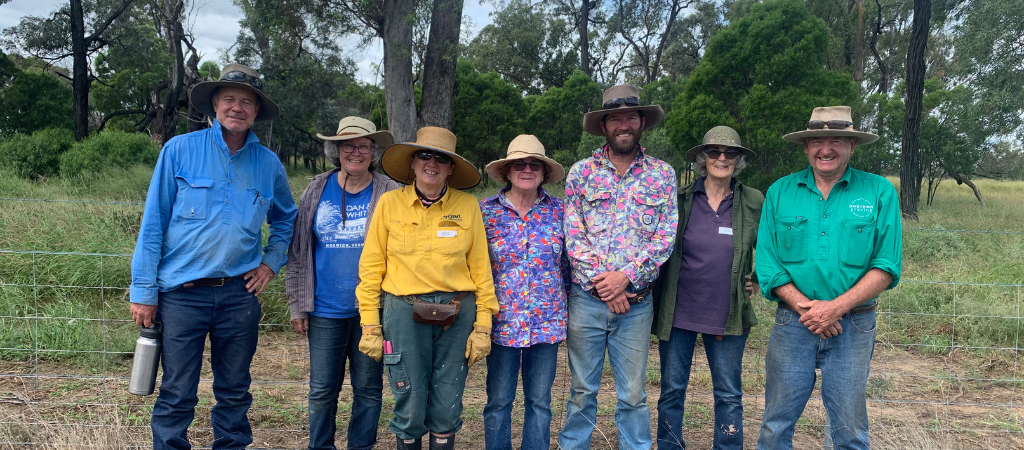
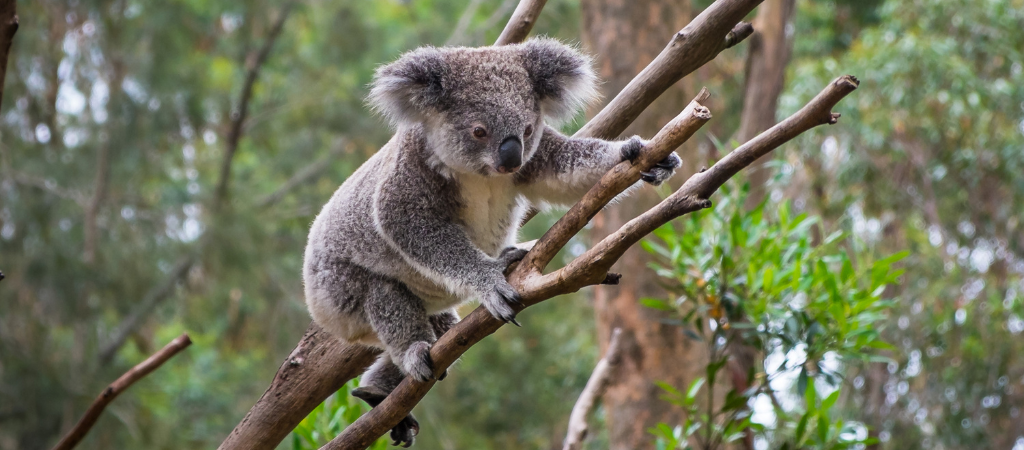
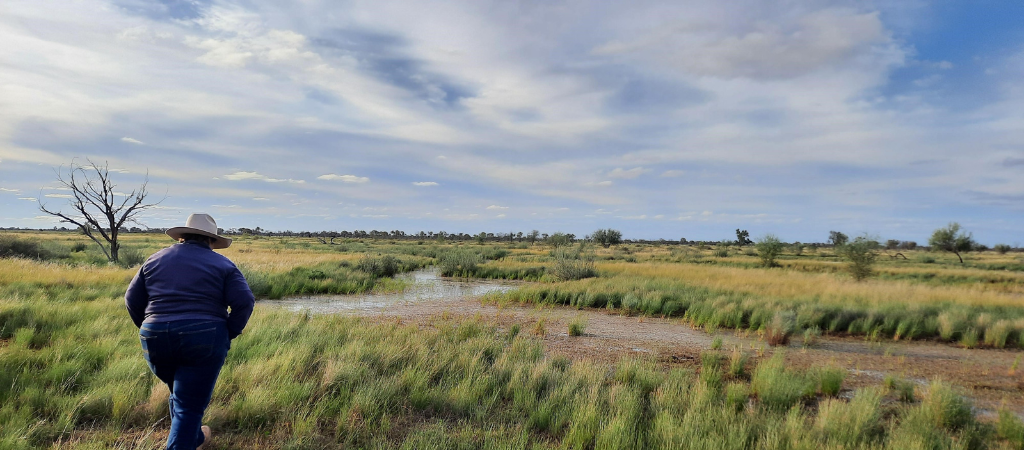
The conservation value of wetlands in Queensland’s Murray-Darling and Bulloo Basins (QMDBB) have been re-evaluated in a comprehensive assessment, updated by the Department of Environment and Science (DES). Natural resource management group Southern Queensland Landscapes said DES has completed its Aquatic Conservation Assessment of the region using Aquatic Biodiversity and Mapping Methodology (AquaBAMM); with the full report released in December 2022. Knowledge & Information Support Officer Dr. Paul Webb said Aquatic Conservation Assessments (ACA), undertaken using AquaBAMM, provide a non-social, non-economic and tenure-blind assessment of wetland conservation values at a user-defined scale.
Southern Queensland Landscapes was invited onto the Inner Darling Downs and Southern Darling Downs Community Consultative Committees in mid-2020. At that time, we invited people to let us know their thoughts and concerns about the project to ensure the project proponents knew how our community felt about the project and what it needed to know from them. We received little comment; however, we did receive an offer to tour the affected area by one of our members which we gladly accepted.
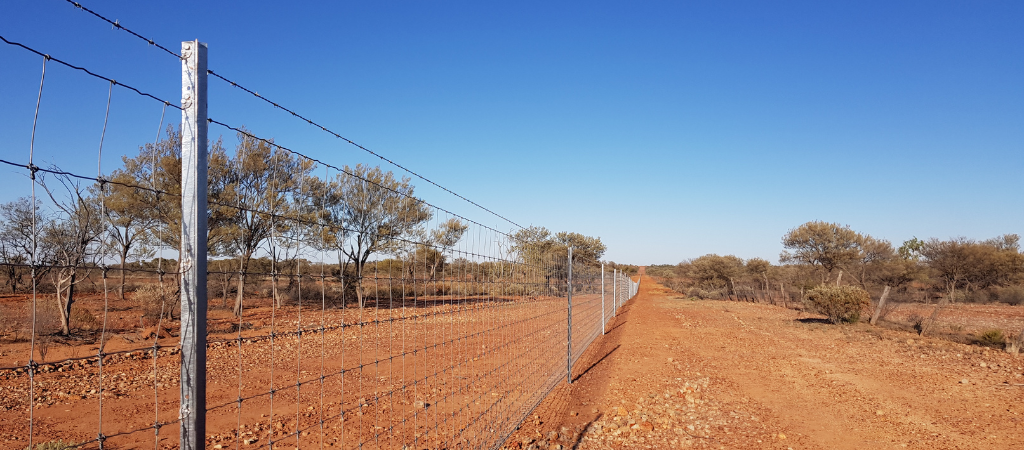
By Kim Woods at the National Wild Dog Action Plan A year down the track from three cluster fences being finished in Southern Queensland and the participating pastoralists are back in the business of farming with an air of confidence. SQ Landscapes worked for over two years with land managers in the Eromanga, Eulo and Bollon areas to deliver 446km of new exclusion fencing to encompass around 325,000 hectares of sheep, cattle and goat production across 12 properties for protection from wild dogs. Funded under Queensland Feral Pest Initiative round three, the project filled the gaps between private and previously funded exclusion fences to improve the management of total grazing pressure and predators across the region. The journey wasn’t an easy one as landholders struggled with drought followed by the impacts of drought, flood, rain, a pandemic, increasing costs of materials and delays.
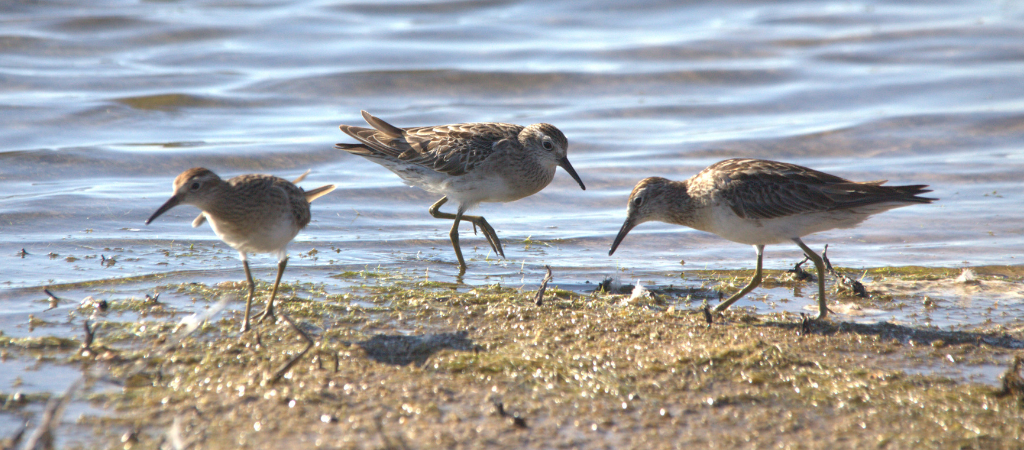
Wetlands and floodplains in Queensland’s arid southwest are experiencing remarkable restoration through a range of targeted interventions including slowing high velocity runoff flows, scald and erosion repair and mitigation, rehabilitating bore drains, managing property infrastructure and changing grazing practices and water management. Southern Queensland Landscapes has been working with land managers and community to address the long-term decline of the once highly productive and biodiverse floodplains and wetlands of the Bulloo, Paroo and Warrego River systems. The works on these properties help reduce threats to other wetlands including the internationally important Currawinya Ramsar Wetlands in the lower Paroo.