The National Soil Monitoring Program
Photo Credit: Stuart Walmsley @ CSIRO
Monitoring Australian Soils to Support Climate-Smart, Sustainable Agriculture
The National Soil Monitoring Program (NSMP) is the first nationally coordinated soil monitoring program that is a collaborative project between CSIRO and the Department of Agriculture, Fisheries and Forestry. The program aims to collect and analyse soil from approximately 3000 sites all across Australia. Pending future investment, sites are intended to be resampled every 5 years, for the next 20 years to identify long term trends.
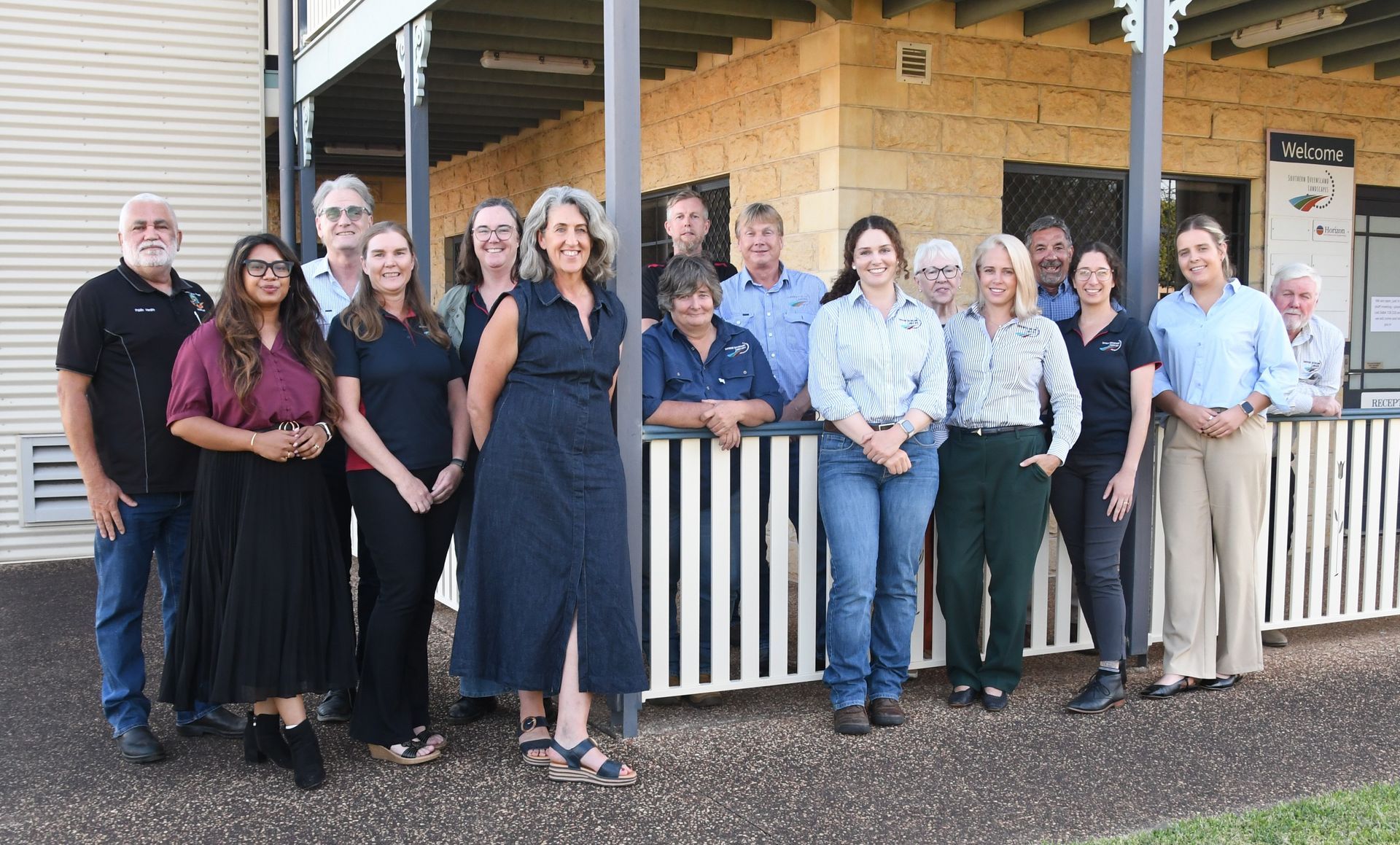
Southern Queensland Landscapes is leading the field operations for the Queensland south cluster, alongside Burnett Mary Regional Group, Desert Channels Queensland, Healthy Land and Water and the Fitzroy Basin Association.
Landholder Information
The program aims to analyse a broad range of soil types from differing climates, landscapes and land uses. Your property may be identified via national soil, climate and vegetation datasets to be a suitable location for soil monitoring as it best represents the specific soil conditions of the local region.
As a selected landholder, it is free to participate in the program. Permission will be sought to:
• Access a site or sites on your land at an agreed date/time
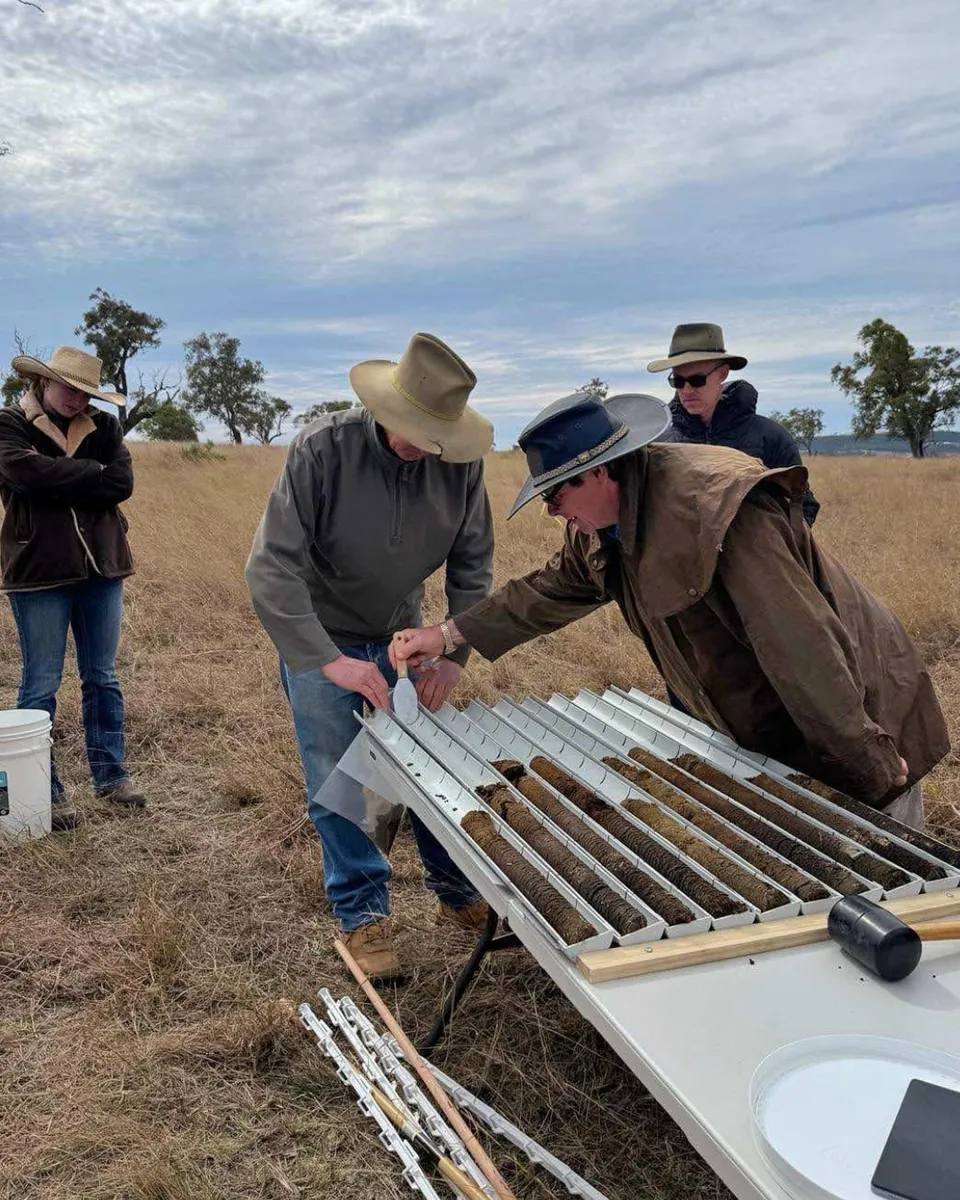
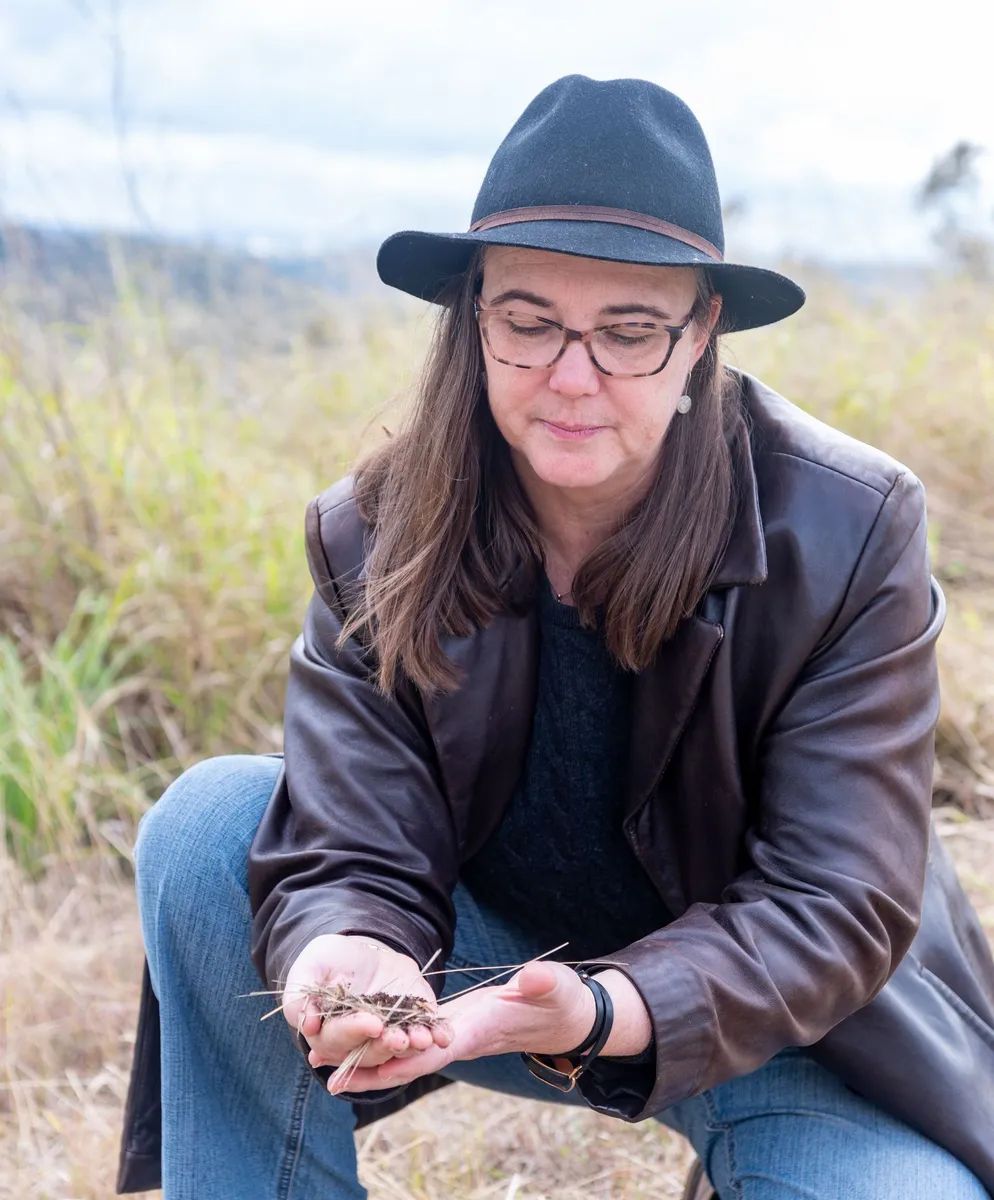
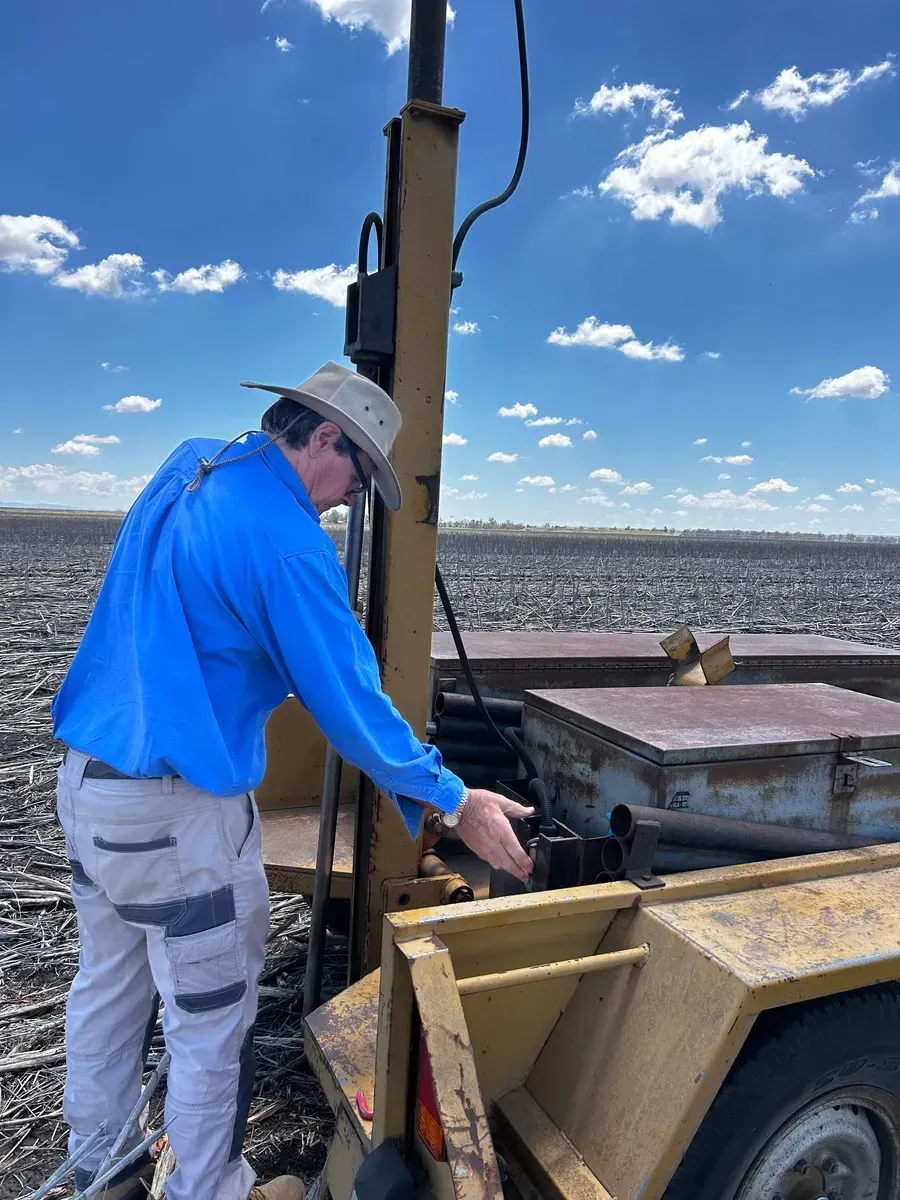
• Collect physical, chemical and biological soil samples for analysis
• Collate basic information on land management practices
•
Make the soil data results publicly available via the
Australian National Soil Information System
Why Is the National Soil Monitoring Program Important?
Soil is a non-renewable resource and is essential to Australia’s agriculture. Our soil is particularly vulnerable to degradation as it is deeply weathered, old and often nutrient poor. The National Soil Monitoring Program aims to identify trends in our soil condition over the next 20 years in order to help preserve our precious natural asset.
A greater understanding of our soil conditions can help us:
• Increase agricultural productivity
• Better water infiltration to increase pasture and crop germination, as well as decrease the risk of wind and water erosion
• Improve resilience to natural disasters like floods, droughts and wildfires
• Keep stable basis to allow for the future development of land for rural and urban uses
• Increase soil carbon and help with climate regulation
• Protect our natural ecosystems
•
Build landholder knowledge and promote engagement with soil conservation practices
For further questions about the NSMP, please visit the CSIRO NSMP page.