Healthy Soils
About the Project
The Regional Land Partnership (RLP) - Agriculture Program is funded by the Australian Government, and aimed at building the capacity of land managers to improve the condition and productivity of their properties through the health and quality of their soils.
Increasing biodiversity, organic matter and ground cover is the bottom line for improving overall soil health and holistic property health and productivity.
Common threats to soil health include:
- Reduction in biodiversity
- Loss of soil structure & erosion
- Overgrazing
- Nutrient imbalances & soil salinisation
- Weeds & invasive pests
- Waterlogging
Main threat reduction strategies include:
- Performing soil testing to set a baseline for improvement
- Returning old cultivation to pasture
- Installing fencing for grazing management
- Investment in multi-species mixes & improved pastures
- Installation of new watering points & troughs
Backed by Land Managers
The Betts'
The Hills
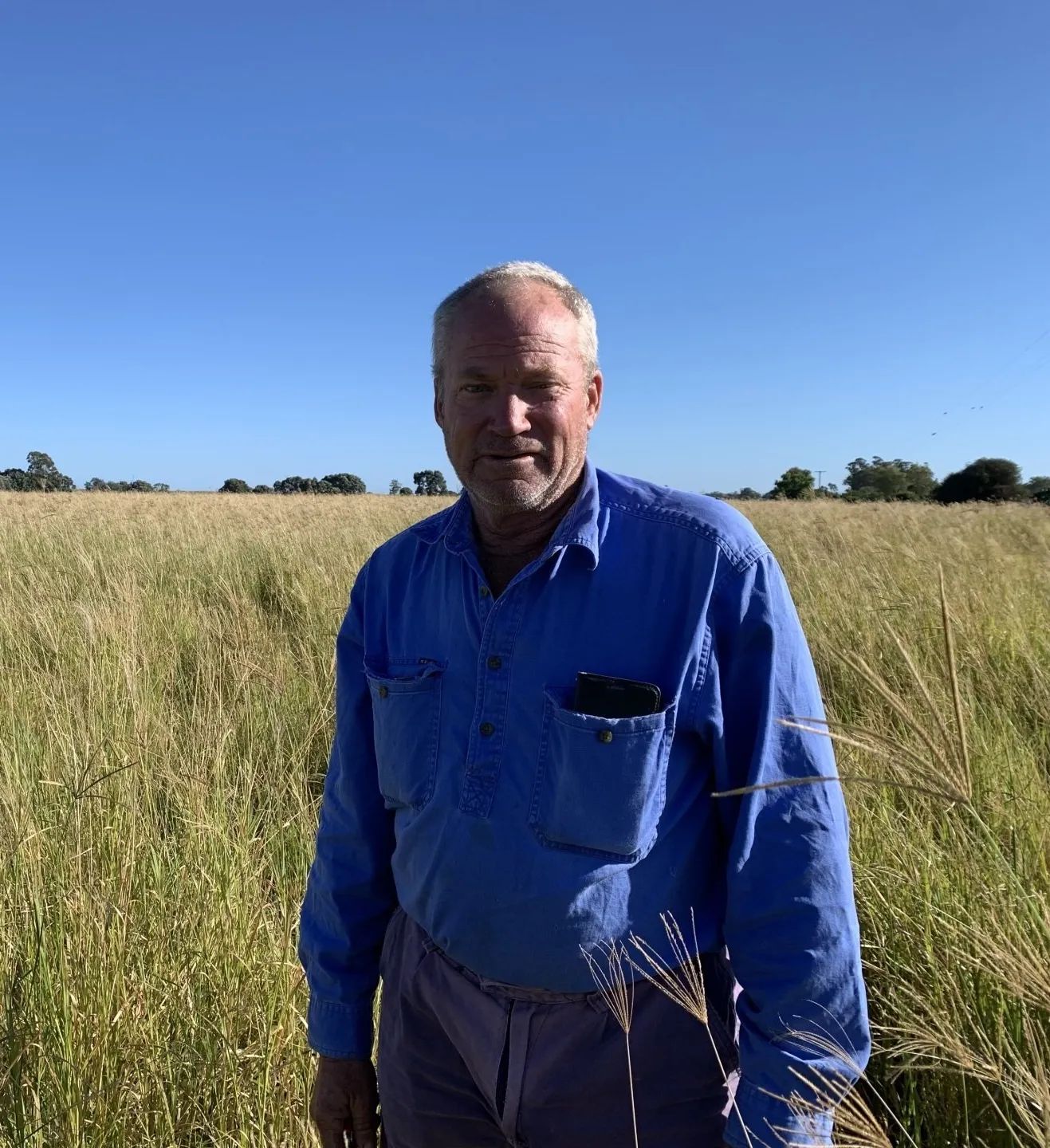
Karen and Owen Betts, Millmerran
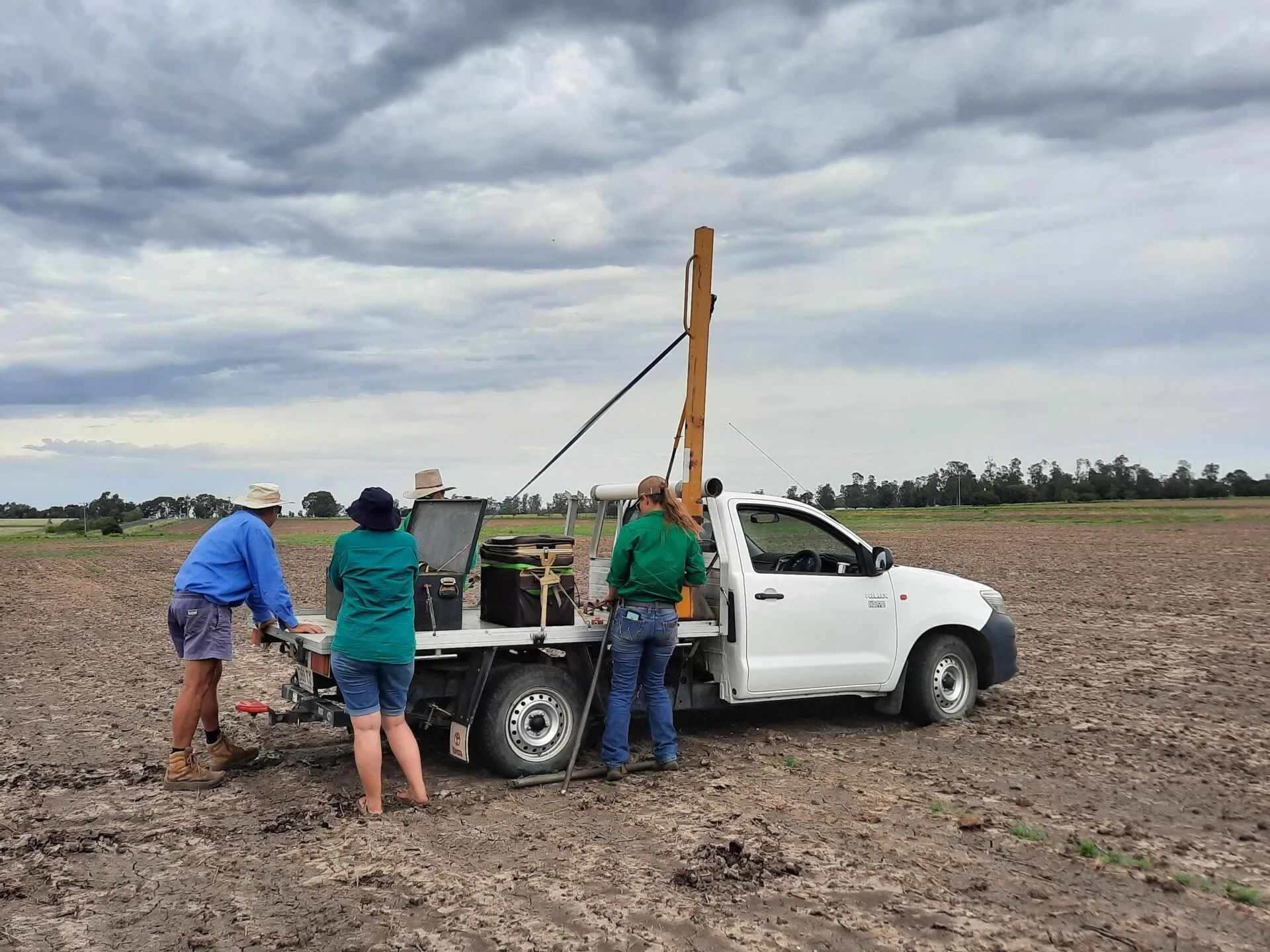
Karen and Owen Betts have been working with SQ Landscapes to return old cultivation paddocks to permanent multispecies mixed pastures.
Step
1 included taking soil samples at 'Yalda Downs' near Millmerran for analysis and determining what species would be best suited to their soil type. Step 2 saw the Betts' seeding the paddock with Gatton Panic, Premier Digit, Vetch, Reclaimer Rhodes, Progardes Desmanthus, and snail medic.
The combination of different species helped reduce runoff and erosion by slowing the water down and allowing it to rehydrate the landscape while at the same time growing soil and sequestering carbon through increased vegetation.
“I work with nature and let it do its thing.” - Owen Betts.
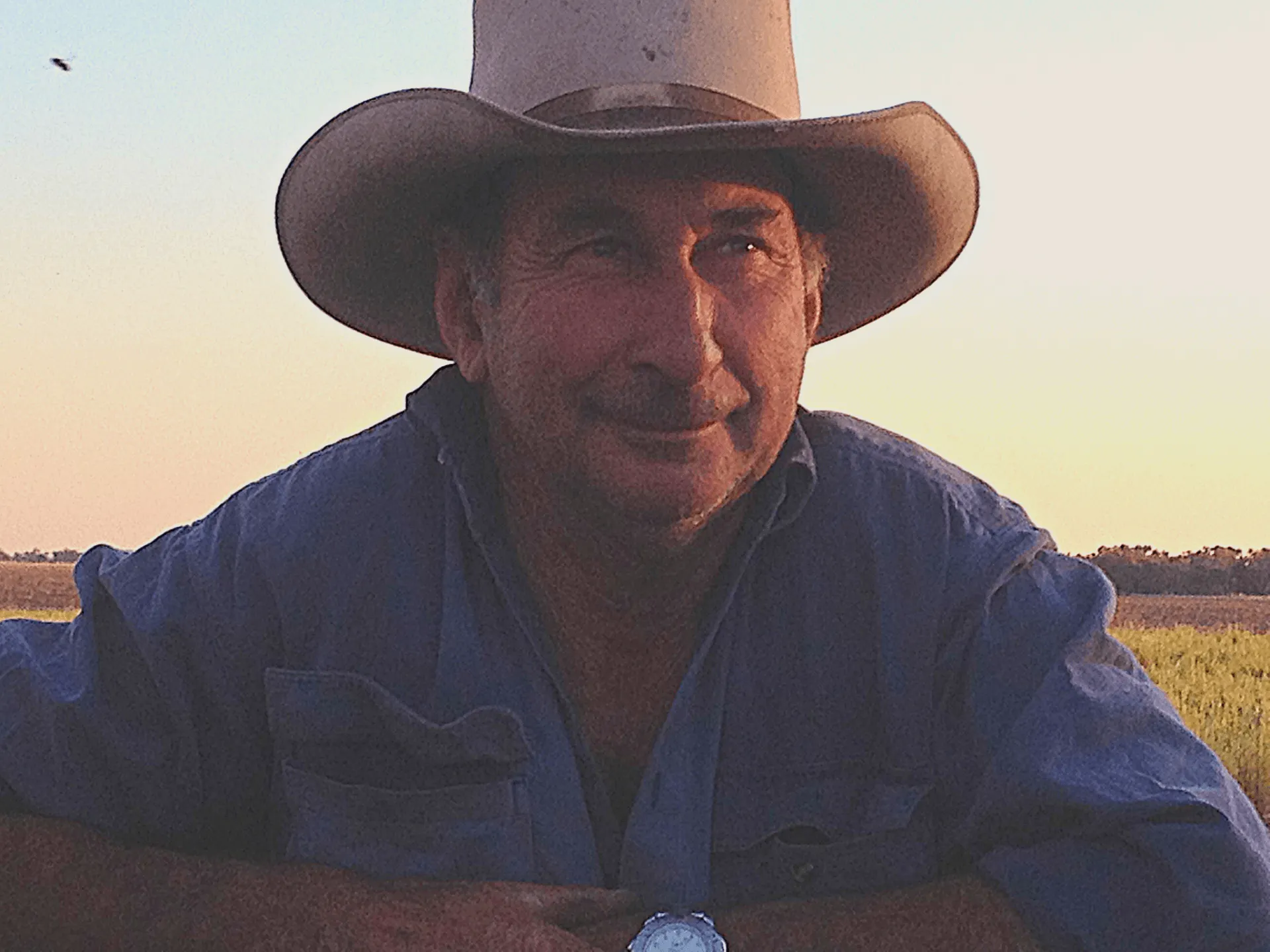
Liz & David Hill, Thallon
Liz and David Hill of 'Dunkerry South' in the Nindigully district wanted to increase their soil health and drought resilience after a prolonged period of drought.
SQ Landscapes worked with Liz & David Hill to conduct soil testing, then assisted with the purchase and reintroduction of dung beetle populations to the drought degraded areas.
Liz and David said the difference in the landscape is amazing.
"The native grasslands are flourishing helping to increase drought preparedness and the dung beetles are active in the soils, increasing the soil health." - Liz Hill.
Creating Functioning Soils
Diversity of plants builds soil was the key message for more than 150 farmers and land managers who converged on Highfields near Toowoomba.
They were attending the Creating Functioning Soils conference hosted by Southern Queensland Landscapes and featuring international soil expert Dr Christine Jones and five local experts.
Watch the video to find out the three things we could all be doing now to improve the function of soils.
Soil health is important because it provides ecosystem services which enable plants to grow, resist erosion, store water, retain nutrients and is an environmental buffer in the landscape. Soil supplies nutrients, water and oxygen to plants and is populated by soil bacteria and organisms essential for breaking down and recycling organic matter and waste. If there was no soil...there would be no plants...and if there were no plants...there would be no humans!
What is Soil Health?
Soil health is a soil's ability to sustain biological productivity by regulating air and water quality and sustaining ecosystem health.
Healthy soils maintain a diverse community of soil organisms that help to control plant disease, insect and weed pests, form beneficial symbiotic associations with plant roots; recycle essential plant nutrients; improve soil structure with positive repercussions for soil water and nutrient holding capacity, and ultimately improve crop production.
A healthy soil prevents pollution of environment and contributes to mitigating climate change by maintaining or increasing its carbon content.
To learn more about improving your soil health, download the free technical sheets and watch the videos below.
What if my Property Isn't in the Focus Area?
Southern Queensland Landscapes is passionate about connecting land managers with information, resources and support to improve their landscapes and their local communities.
Although you may not be in the focus area for this project, we encourage you to connect with SQ Landscapes through social platforms, or via the website so you can stay in the loop with what's happening in your patch and what funding opportunities are available for you to access now AND in the future.
See the 'Steps I can Take to Improve my Soil Health' section below to find out how you can connect today.
This project is supported by Southern Queensland Landscapes through funding from the Australian Government’s National Landcare Program.