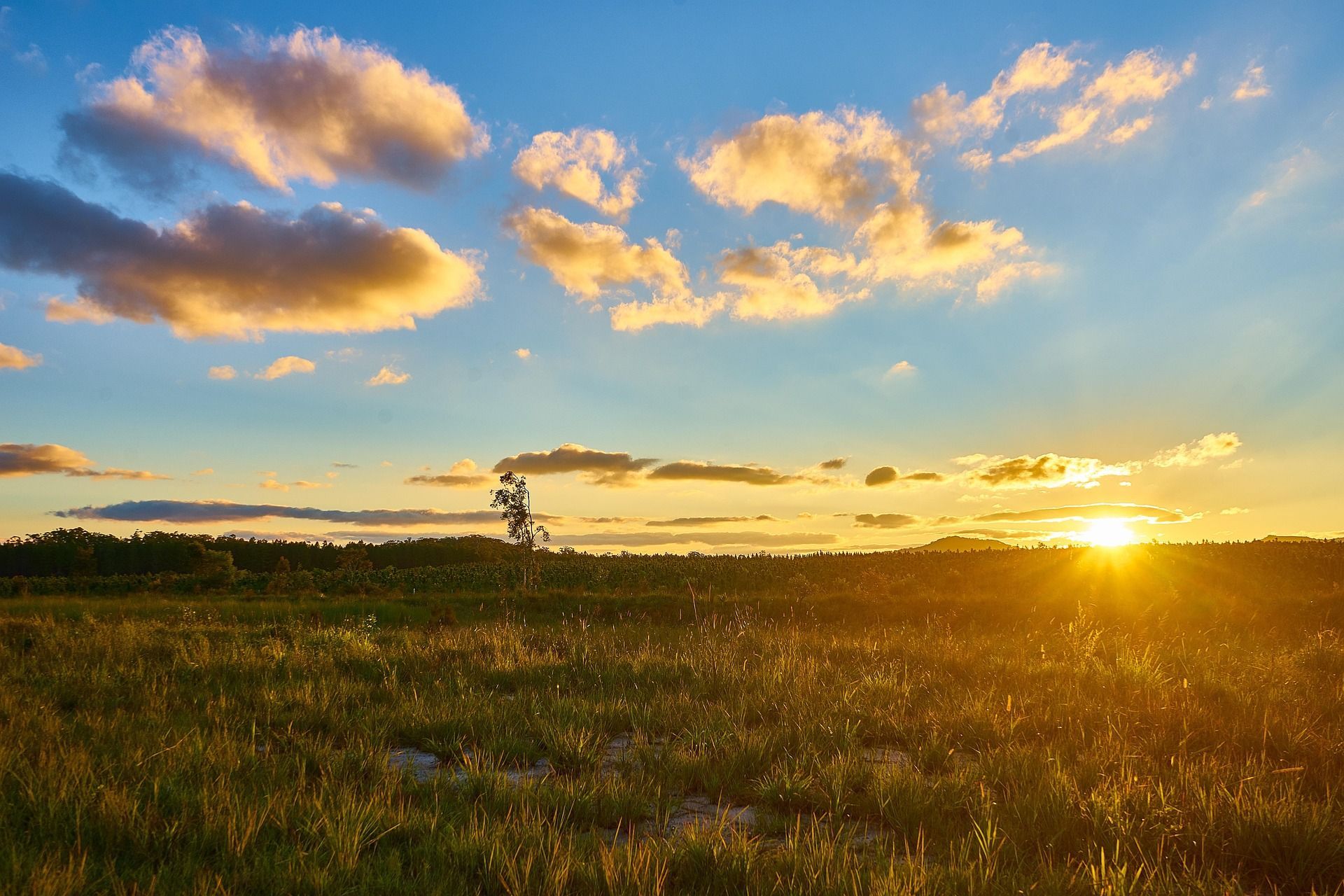
Soil carbon is attracting plenty of attention, and for good reason. Many landholders are already working to improve their soils through practices like maintaining groundcover and encouraging diverse pastures. As interest in carbon markets grows, some are asking whether those same practices could open the door to a soil carbon project. But what exactly is soil carbon? How do carbon projects work? And what should you consider before deciding whether one is right for your property? The good news is you don't need to be a carbon expert to understand the basics. Want a quick overview? Check out our soil carbon factsheet for the key information at a glance.
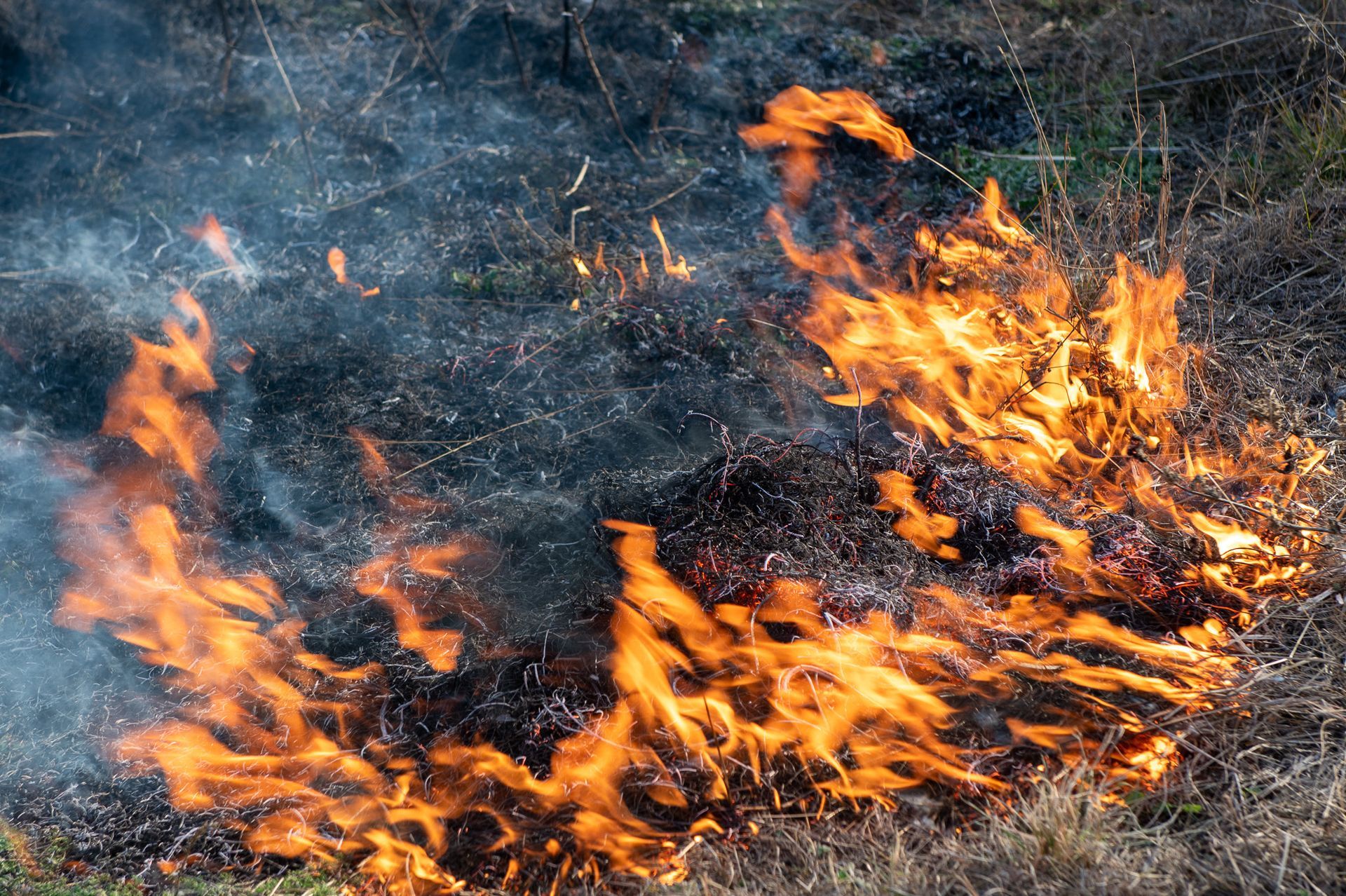
Protecting pasture, fences and infrastructure from wildfire has long been part of grazing management. Deliberately lighting a paddock can seem counterintuitive. Yet many graziers are taking another look at one particular type of fire: cool burning. Unlike hot summer wildfires, cool burning uses low-intensity fire under carefully planned conditions to manage pasture, weeds and fuel loads while protecting the soil surface. It is one of many management tools graziers can use alongside pasture improvement, grazing management and weed control to build stronger, more resilient pastures. Through the Growing Climate Smart Grazing project, Southern Queensland Landscapes is helping eligible landholders in the Condamine River Basin explore whether cool burning could become another tool for managing their property. Want a quick overview? Check out our cool burning factsheet for the key information at a glance.
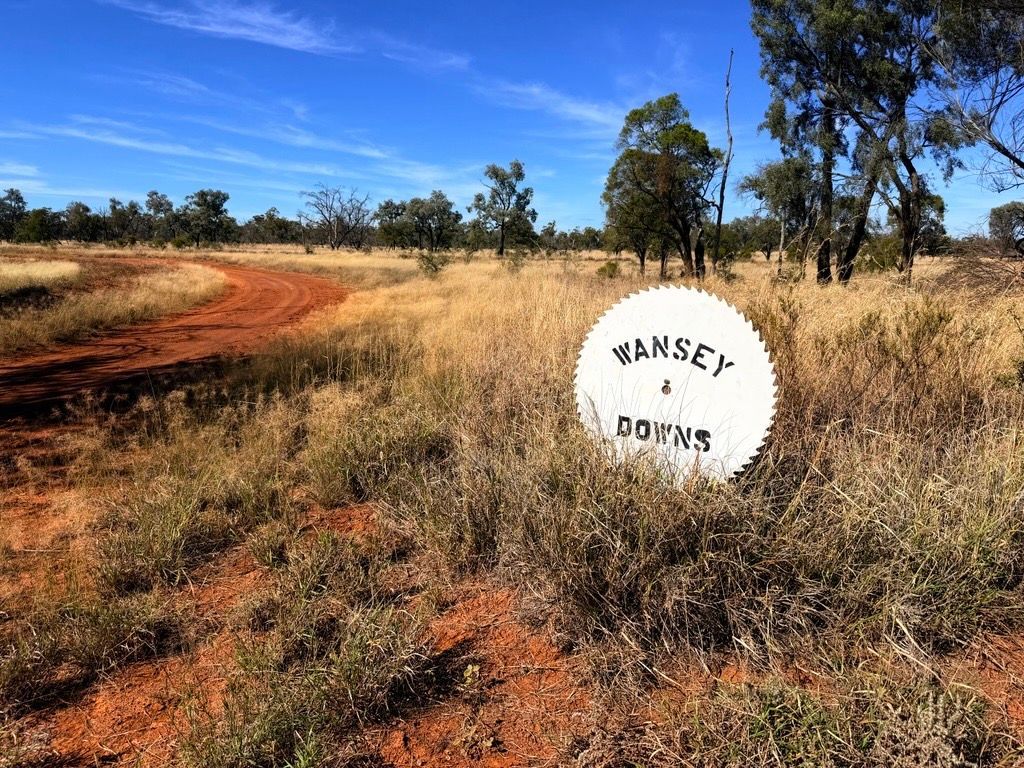
Slowing the movement of water at Wansey Downs
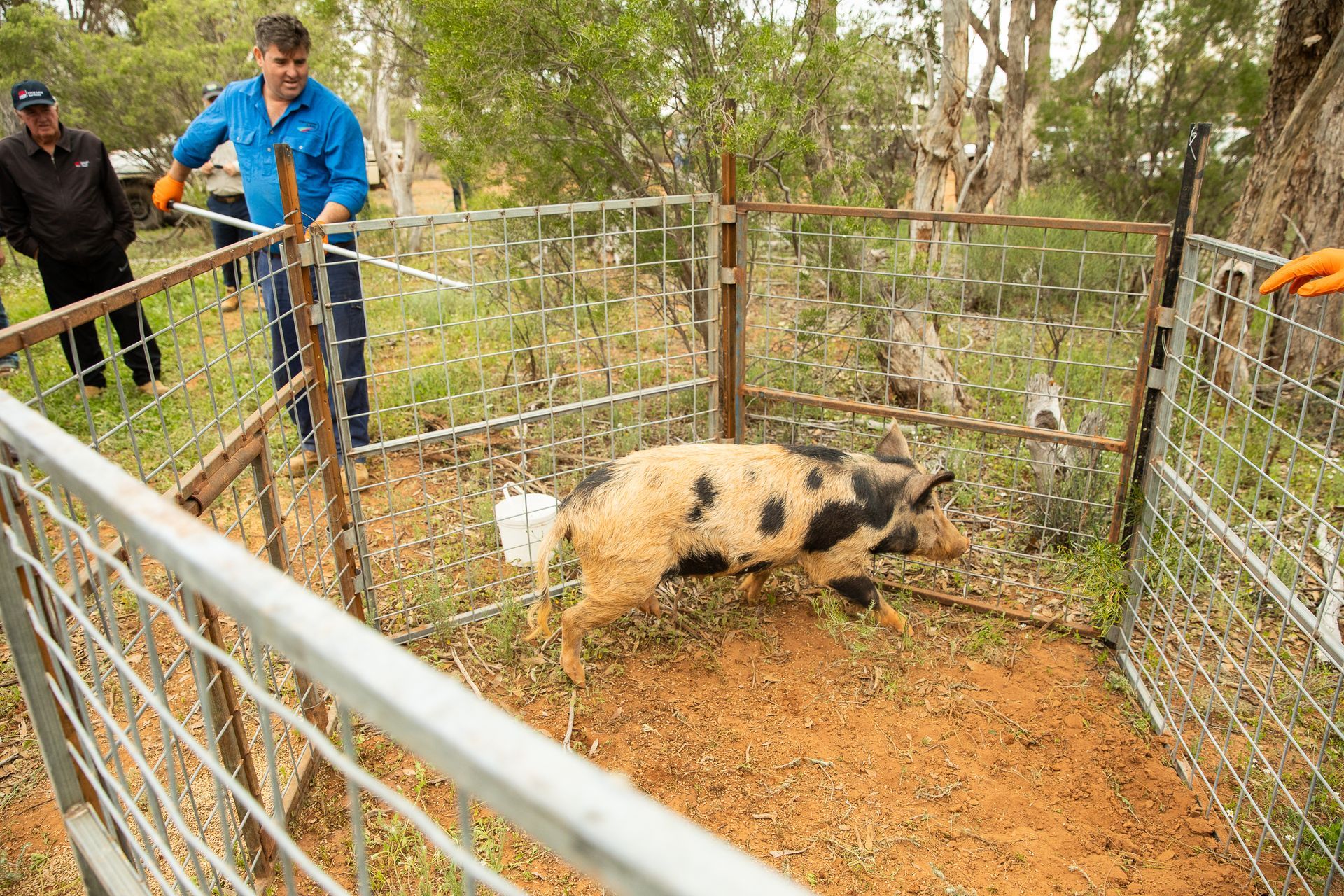
Coordinated Action Across Southern Queensland
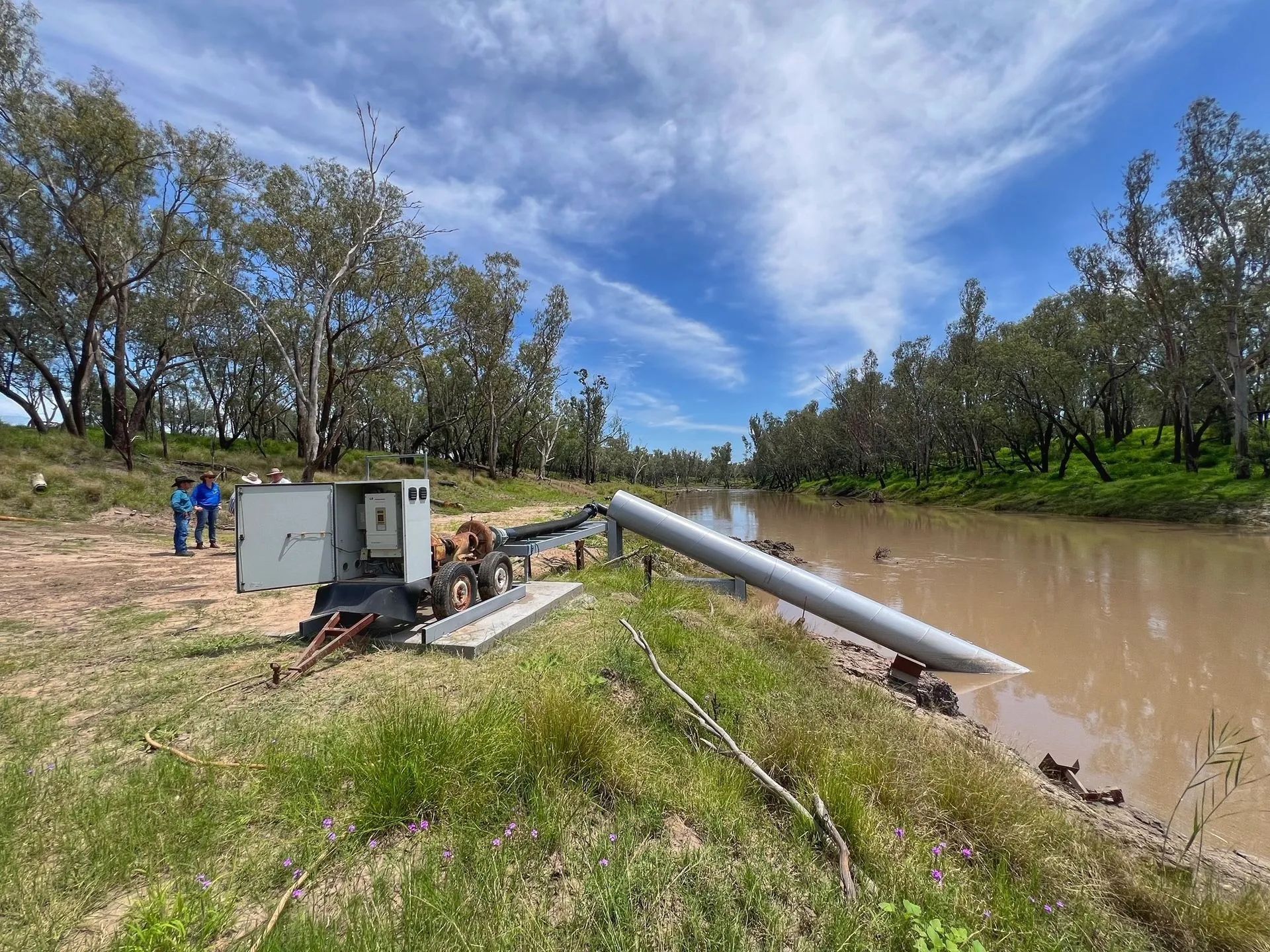
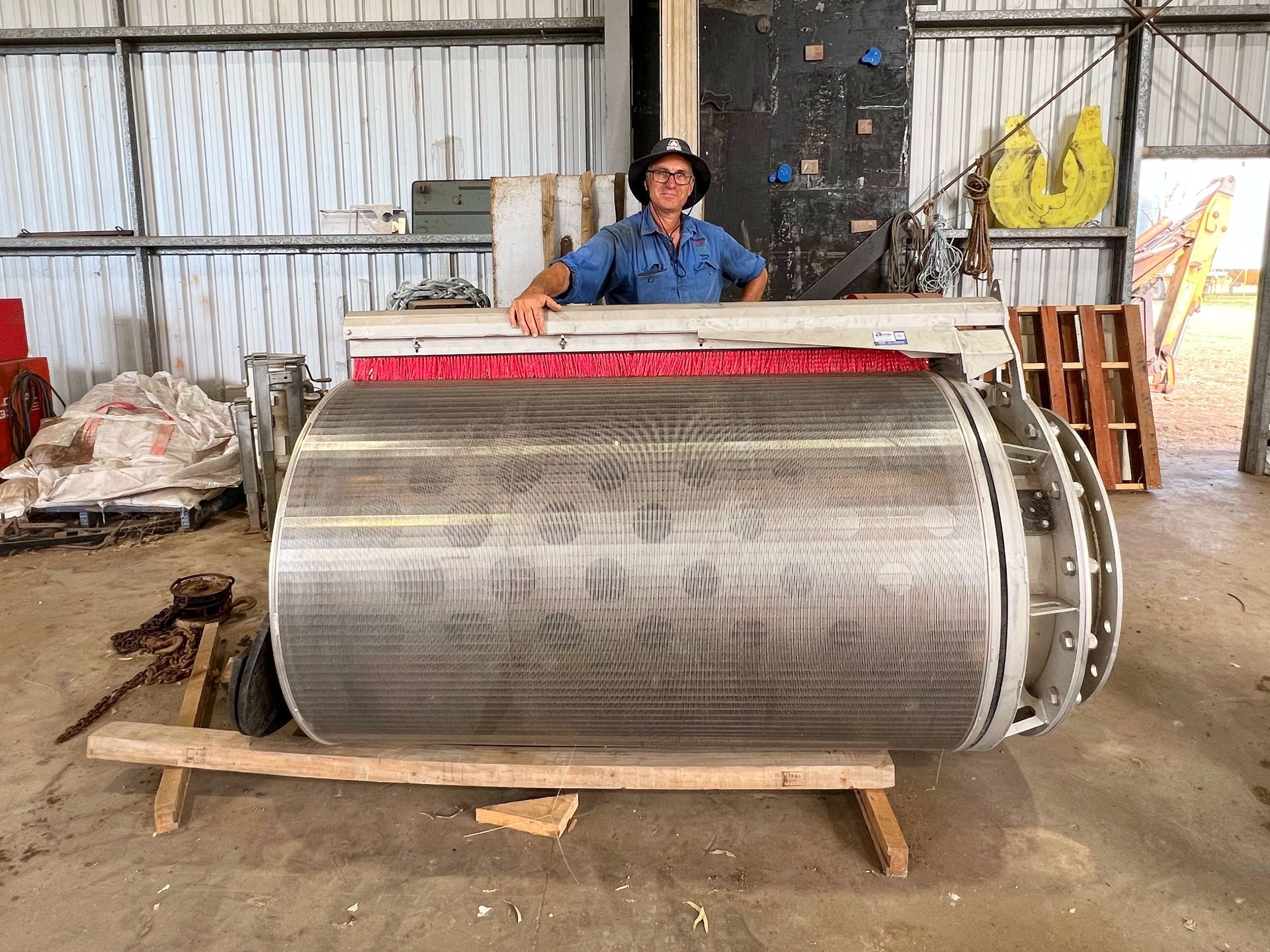
Screen Type Self Cleaning Cylindrical Screen Screen Manufacturer AWMA River Catchment Condamine River David Grace, a highly regarded farmer and horse training instructor, has been using the fish-friendly screen installed by the Fish Friendly Water Extraction Project on his Condamine River property, Coolibah. David observed countless small fish that had been sucked into the lagoon after irrigation pumping. After running the pumps through the fish screen, zero fish were drawn through the system, a significant win for fish conservation and sustainable water use. Though testing is in its early stages, the screen has already demonstrated its ability to protect native fish and prevent debris from entering the pump. Monitoring is being undertaken by Redleaf Environmental. "A real positive outcome for native fish and farming." David Grace Features of the Installed Fish Screen • Handles up to 10-12 megalitres per day, meeting the irrigation needs of the property. • Designed to withstand high-flow events, ensuring durability during dynamic river conditions. • Self-cleans using a propeller-driven system, keeping 2mm openings free of algae and silt. Why This Matters Protects native fish populations by keeping them in the river where they belong. Prevents debris from entering the pump, improving efficiency. Simplifies maintenance, even during high river levels or floods.
Screen Type Two Self Cleaning Cylindrical Screens Screen Manufacturer AWMA River Catchment Gowrie Oakey Creek Southern Queensland Landscapes recently visited Matt Finch’s property, Struanville Farming Co, to gain insights into his water extraction system, discuss the upcoming installation of a fish-friendly screen, and explore modern irrigation practices' environmental and economic benefits. Matt, a forward-thinking farmer, is committed to sustainability, biodiversity conservation, and efficient water use. His passion for protecting native fish populations while improving agricultural infrastructure makes his property an excellent case study in balancing farming with environmental responsibility. The Filter Installation Plan Two AWMA-manufactured fish screens will be fitted to Matt’s new pump station. The screens will be self-cleaning, featuring a hydraulic retrieval system that can be controlled remotely via a mobile device. A concrete headwall and protective rock structures will be installed to shield the screens from flood debris and enhance system longevity. Why This Matters? Protecting Fish Populations → Ensures native species thrive while maintaining biodiversity. Reducing Infrastructure Maintenance → Fish screens help prevent debris blockages and extend the life of pumps. Regulatory and Financial Advantages → Demonstrating environmental responsibility could support water license security and financial incentives from institutions.
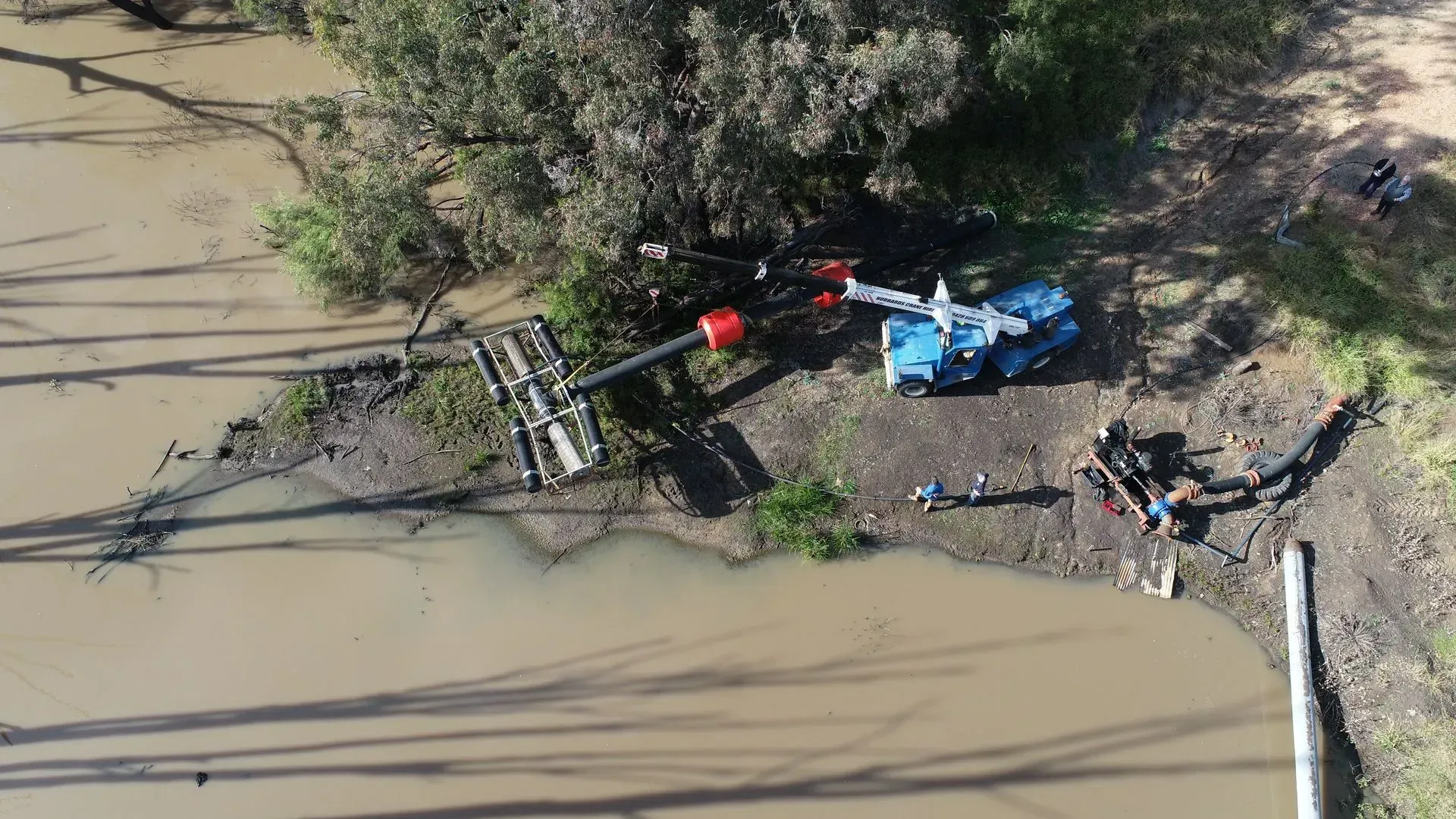
Screen Type Self Cleaning Floatation Fish Screen Screen Manufacturer KleenScreen, NZ River Catchment Condamine Branch (Chinchilla Weir) Greg Bender, an entrepreneurial cotton and crop farmer from Hopeland, near Chinchilla, has been using the fish-friendly screen installed by the Fish Friendly Water Extraction Project on his property, Burradoo Plains. Greg observed countless small fish that had been sucked into the irrigation system after pumping. A self cleaning Floatation Fish Screen was installed by Warrego Water Services in 2024. Floatation is used to keep the fish screen at the surface for shallow water situations. The screen is designed to work with a third to a half sitting out of the water. It can operate in water depths as shallow as 125mm. Though testing is in its early stages, the screen has already demonstrated its ability to protect native fish and prevent debris from entering the pump. Monitoring is being undertaken by Redleaf Environmental. Features of the Installed Fish Screen Efficient Cleaning: Adjustable rotation direction clears debris effectively. Effective Water Intake: Draws water from below, keeping the screen mostly above water. Superior Backwash: Above-water backwash ensures thorough cleaning and debris removal. Built to Last: Made with durable stainless steel and thermoplastic materials. Designed in New Zealand for Australian conditions. Why This Matters Protects native fish populations by keeping them in the river where they belong. Prevents debris from entering the pump, improving efficiency. Simplifies maintenance, even during high river levels or floods.
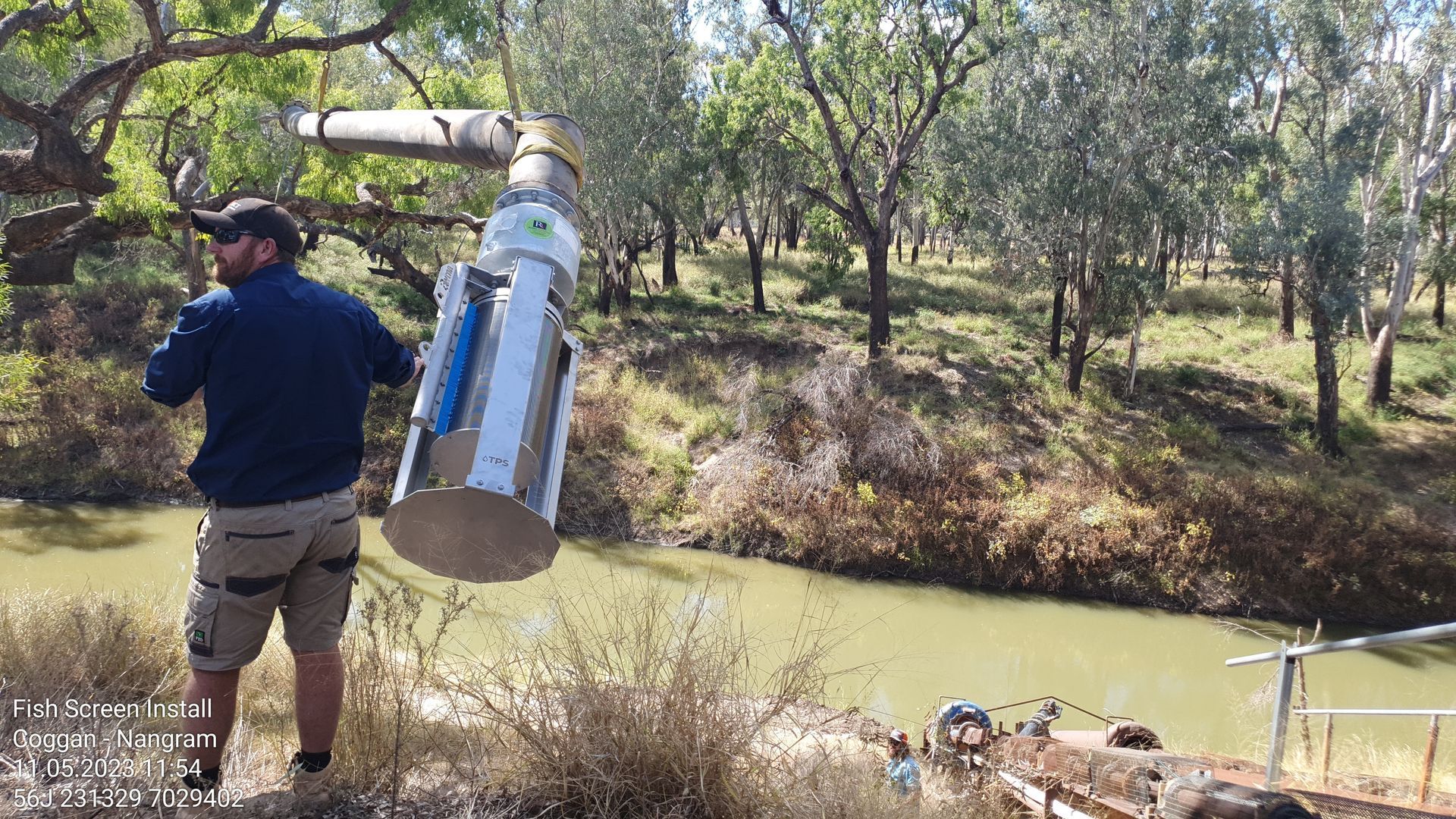
Screen Type Self Cleaning Cylindrical Fish Screen Screen Manufacturer AWMA River Catchment Condamine River Southern Queensland Landscapes, as part of the Fish Friendly Water Extraction Project, recently installed a cylindrical fish screen on the property Nangram , part of the Wallumba Feedlot. Nangram is located on the Condamine River and is made up of nine irrigated centre pivots. As well as providing forage sorghum grazing to background cattle for the feedlot, Nangra m also grows all the silage to be used at Wallumba Feedlot. Wallumba Feedlot operations embrace the principles of ecologically sustainable land management. They recognise that a healthy, diverse and resilient landscape is essential if beef production is to remain viable in Australia. Though testing is in its early stages, the screen has already demonstrated its ability to protect native fish and prevent debris from entering the pump. Monitoring is being undertaken by Redleaf Environmental. The Filter Installation One AWMA-manufactured fish screen was fitted to the current irrigation system. The screen is self-cleaning, driven via an internal propeller that rotates as water is pumped through the suction line. Internal and external brushes ensure that the screen remains clean, and any entrained debris is returned to the river. Why This Matters? Protecting Fish Populations → Ensures native species thrive while maintaining biodiversity. Reducing Infrastructure Maintenance → Fish screens help prevent debris blockages and extend the life of pumps. Regulatory and Financial Advantages → Demonstrating environmental responsibility could support water license security and financial incentives from institutions.
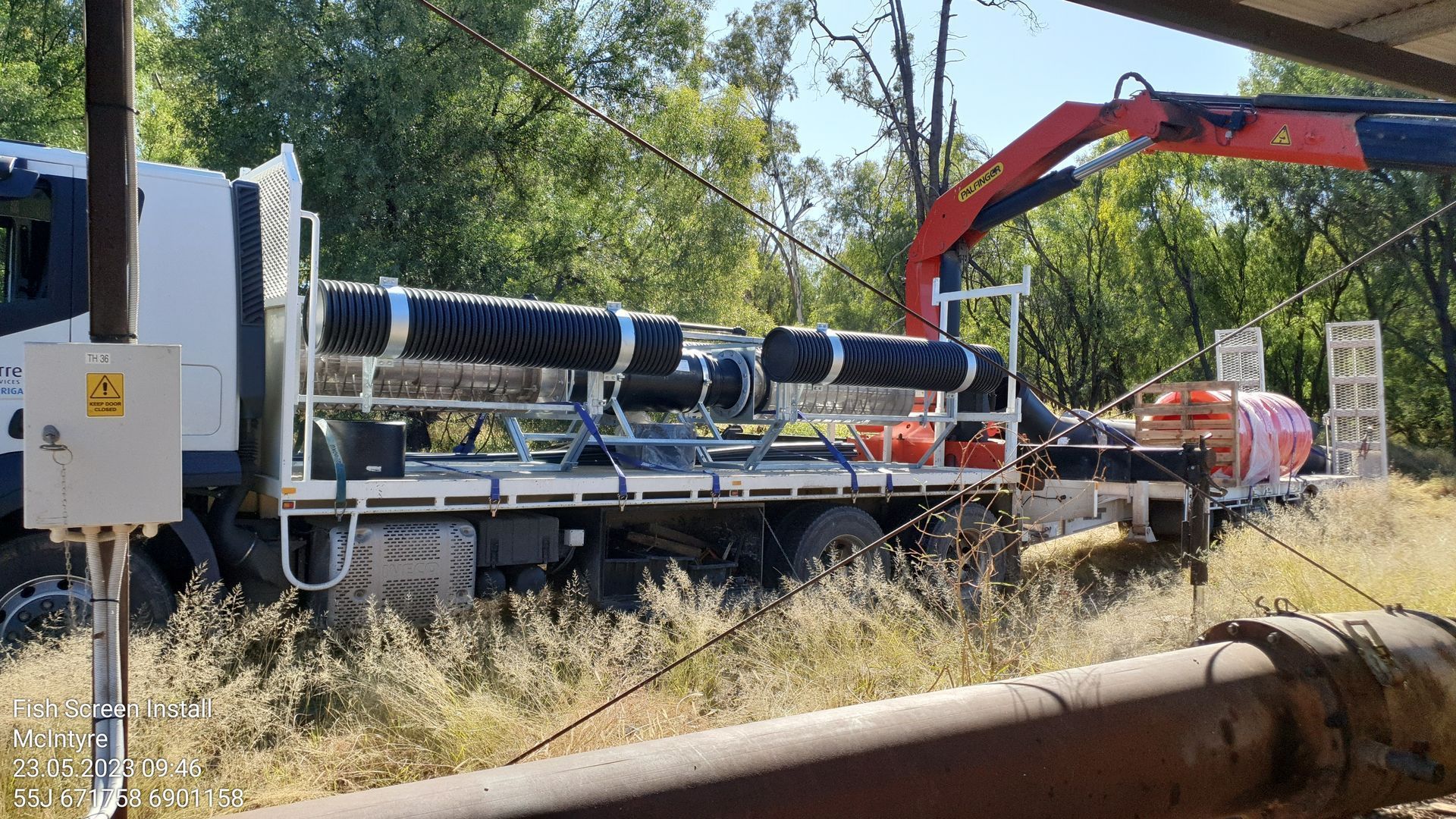
Screen Type Self Cleaning Floatation Fish Screen Screen Manufacturer KleenScreen, NZ River Catchment Balonne River Hamish McIntyre is the Managing Director of McIntyre Agriculture, including the property Moolabah , a family owned farming and livestock business he runs with his wife, Mary and three sons, Stirling, Finlay and Campbell. The business comprises 143,800ha of grazing, dryland farming and irrigation country situated in the St George, Dirranbandi and Quilpie Districts. A self cleaning Floatation Fish Screen was installed at Moolabah St George by Warrego Water Services in 2023. Floatation is used to keep the fish screen at the surface for shallow water situations. The screen is designed to work with a third to a half sitting out of the water. It can operate in water depths as shallow as 125mm. Features of the Installed Fish Screen Efficient Cleaning: Adjustable rotation direction clears debris effectively. Effective Water Intake: Draws water from below, keeping the screen mostly above water. Superior Backwash: Above-water backwash ensures thorough cleaning and debris removal. Built to Last: Made with durable stainless steel and thermoplastic materials. Designed in New Zealand for Australian conditions. Why This Matters Protects native fish populations by keeping them in the river where they belong. Prevents debris from entering the pump, improving efficiency. Simplifies maintenance, even during high river levels or floods.