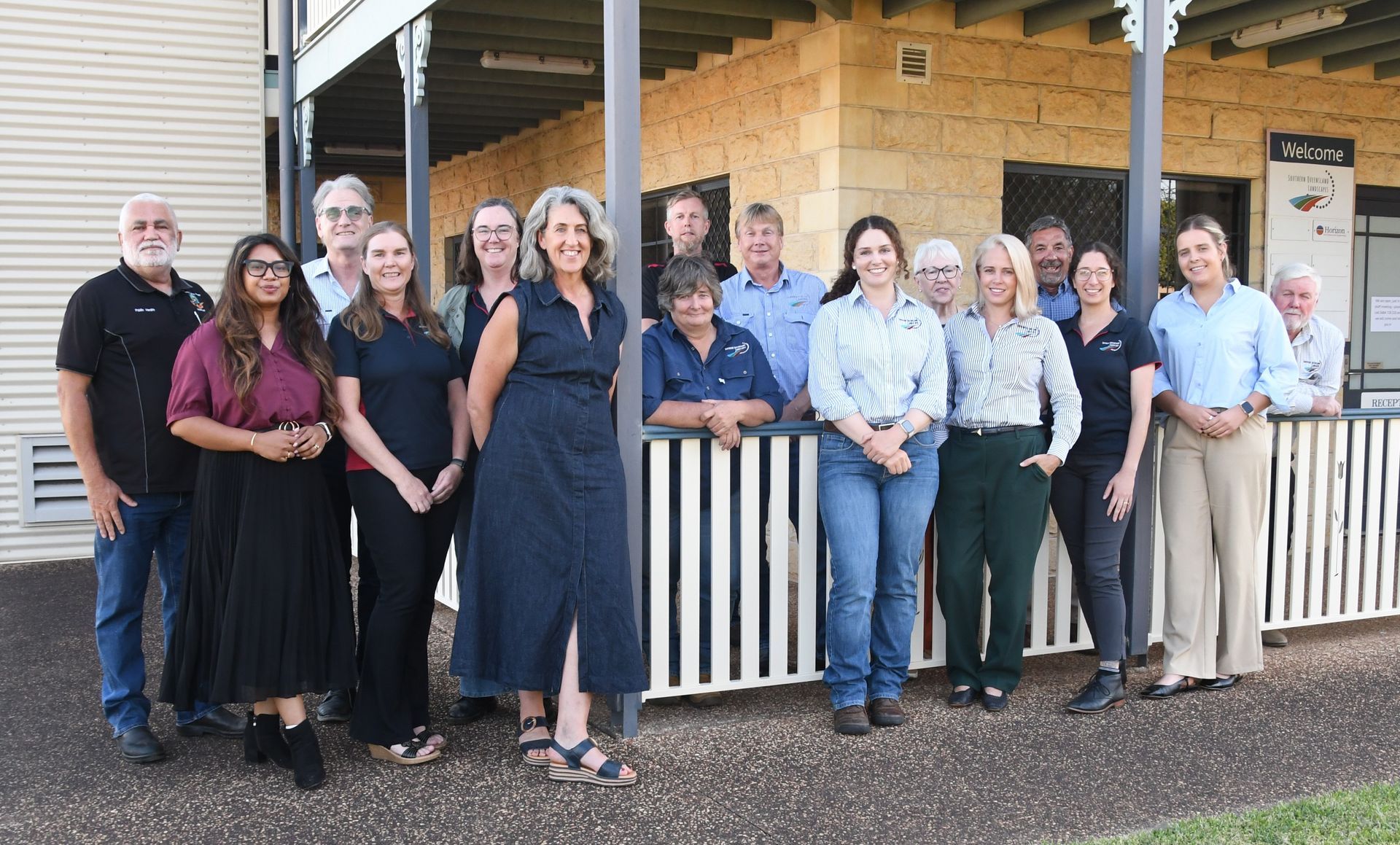
Croxdale Station (Charleville Qld) under the management of Southern Queensland Landscapes, launched as producer demonstration site for ZNE-Ag CRC
Croxdale Station, Charleville QLD, is set to play a role in shaping the future of sustainable grazing, following its launch as a Producer Demonstration Site (PDS) with Zero Net Emissions Agriculture Cooperative Research Centre (ZNE-Ag CRC).
Formerly a Department of Primary Industries research site and now held in trust by Southern Queensland Landscapes, use of Croxdale as a PDS provides an opportunity to represent the extensive pastoral enterprises of South West Queensland, including the mulga lands, in the national ZNE-Ag CRC projects.
The site will serve as a regional hub for research, demonstration, and community engagement, helping graziers better understand how to reduce greenhouse gas emissions while optimising production to build resilient, sustainable enterprises.
Southern Queensland Landscapes CEO, Gillian Meppem, said the Croxdale PDS is an opportunity for South West Queensland grazing systems to be represented in national research, data collection and policy change.
“The Croxdale Station Producer Demonstration Site means that the extensive pastoral enterprises of the Charleville region and the Mulga lands will be represented in an exciting body of work that extends right across Australia,” Gillian Meppem said.
“We [Southern Queensland Landscapes] think it’s important that the extensive pastoral enterprises of the Mulga lands are represented in that thinking, alongside the more intensive areas of livestock production in Australia.”
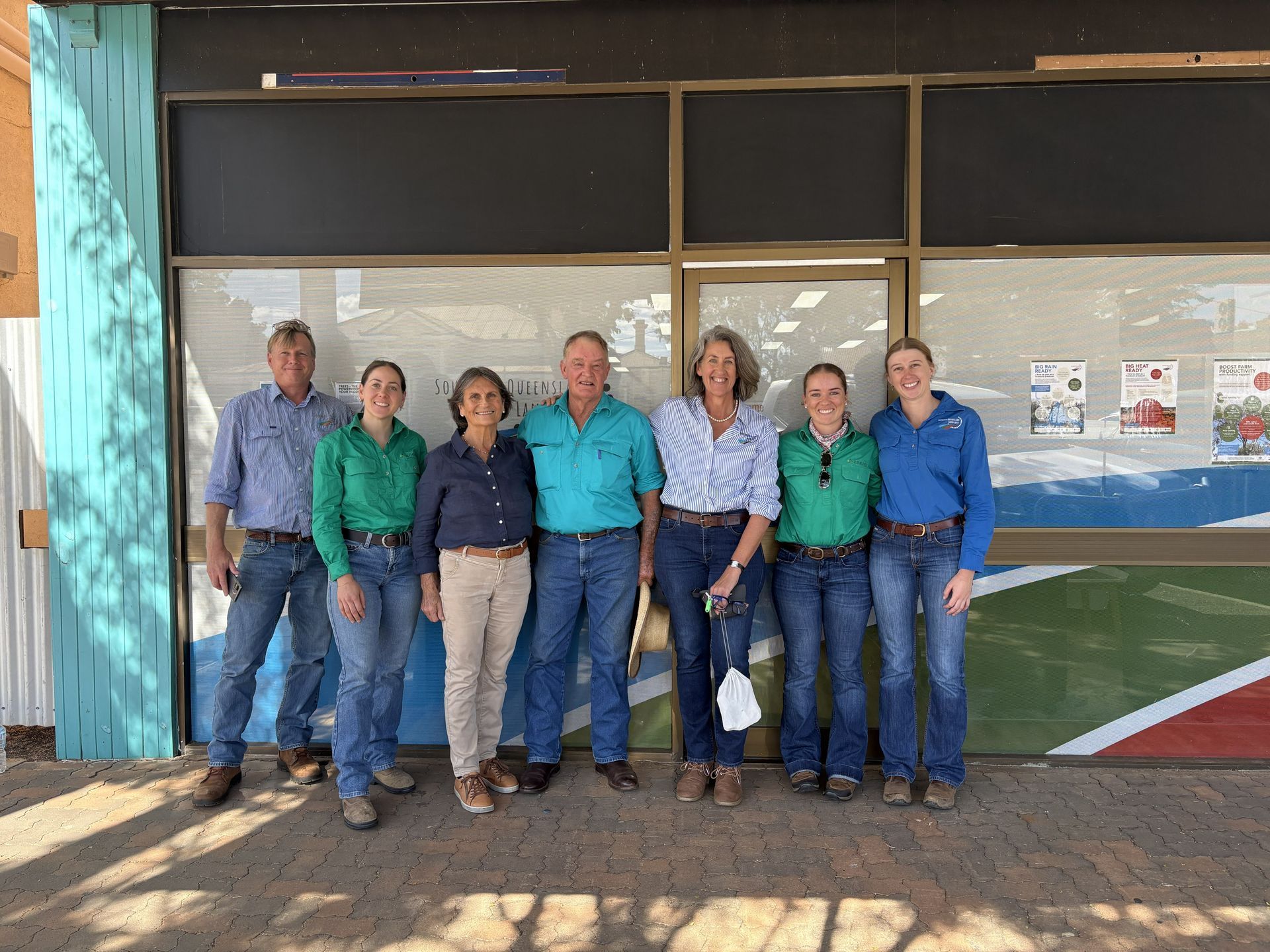
ZNE-Ag CRC Producer Demonstration Site Lead, Mick Taylor, said research undertaken at Croxdale Station would be guided by producers through a local Community of Practice and connected to the broader national network of Producer Demonstration Sites.
“Croxdale is important because it brings the realities of extensive grazing systems in South West Queensland into a national research program,” Mick Taylor said. “By linking this site with producer demonstration sites across Australia, we can test ideas in real-world conditions and make sure the solutions we develop are practical, locally relevant and useful for producers.”
Southern Queensland Landscapes Programs Manager, Michael Boland, said Croxdale offers a unique opportunity to connect science with community through the practical grazing systems it represents.
“This is a really good example of how we can work together with the community to build our knowledge of how large-scale grazing systems function in the Mulga lands,” Michael Boland said.
“Croxdale allows us to demonstrate practical approaches to reducing emissions in environments that represent a significant portion of South West Queensland’s beef production.”
Baseline data collection is already underway at Croxdale, ensuring the site accurately reflects the conditions and management challenges faced by local producers. Insights gathered will feed into national research, helping ensure South West Queensland is represented in the nation-wide projects geared to net zero emissions.
The site is currently operating with an agisted full blood Wagyu herd, owned and managed by local producers David and Wendy Wilkinson.
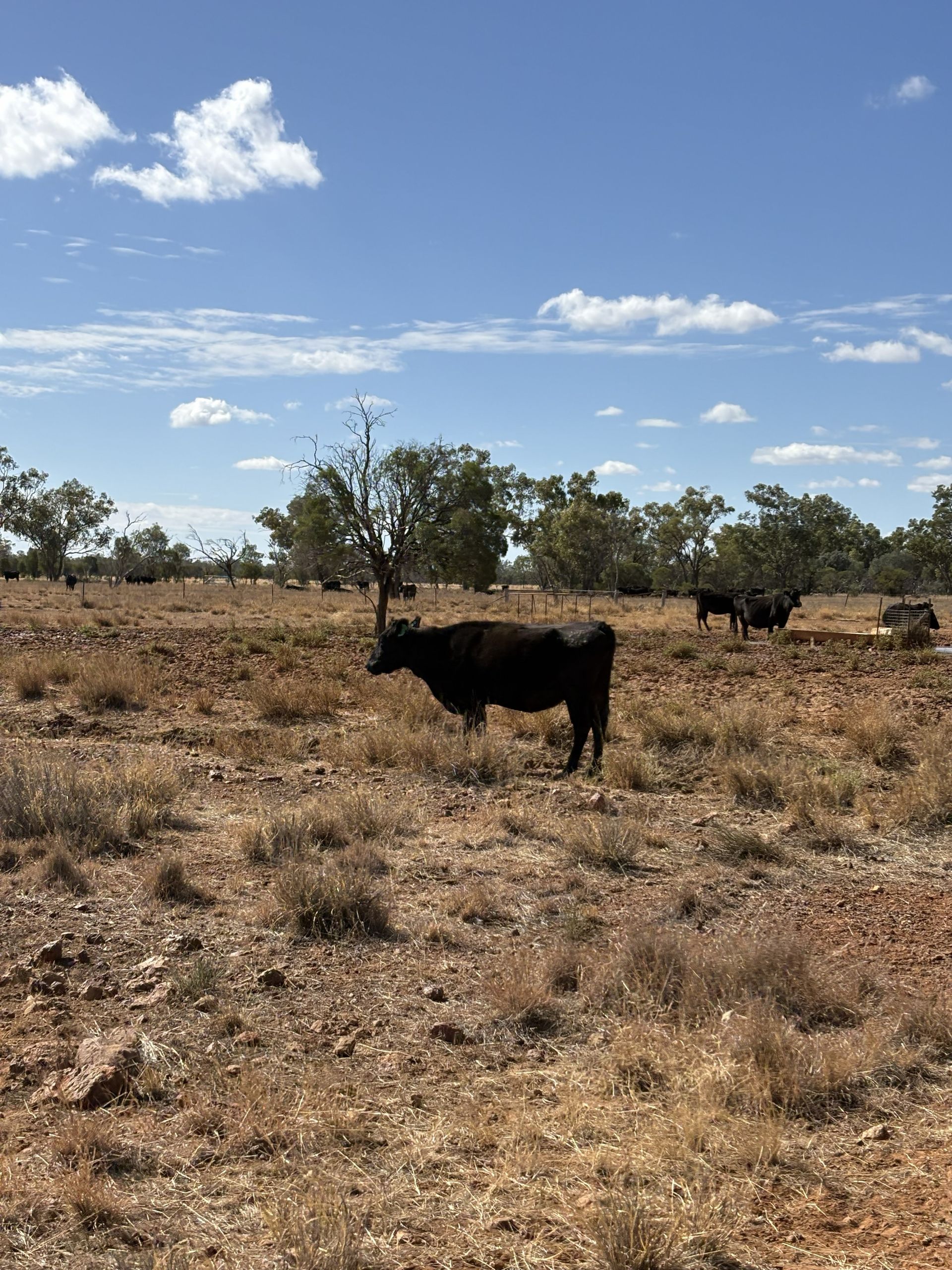
“Wendy and I are excited about working with Southern Queensland Landscapes and the ZNE-Ag CRC team at Croxdale. There are quite a few questions we’ve come across over the years that haven’t been answered for our region. The Croxdale PDS provides an opportunity for producers and researchers to work side by side to provide us with insights that apply to the local system,” said David Wilkinson.
Croxdale will act as a focal point for community involvement, with field days, demonstrations, and ongoing updates from Southern Queensland Landscapes to build the capacity and understanding of local producers around reduced greenhouse gas emissions in grazing systems.
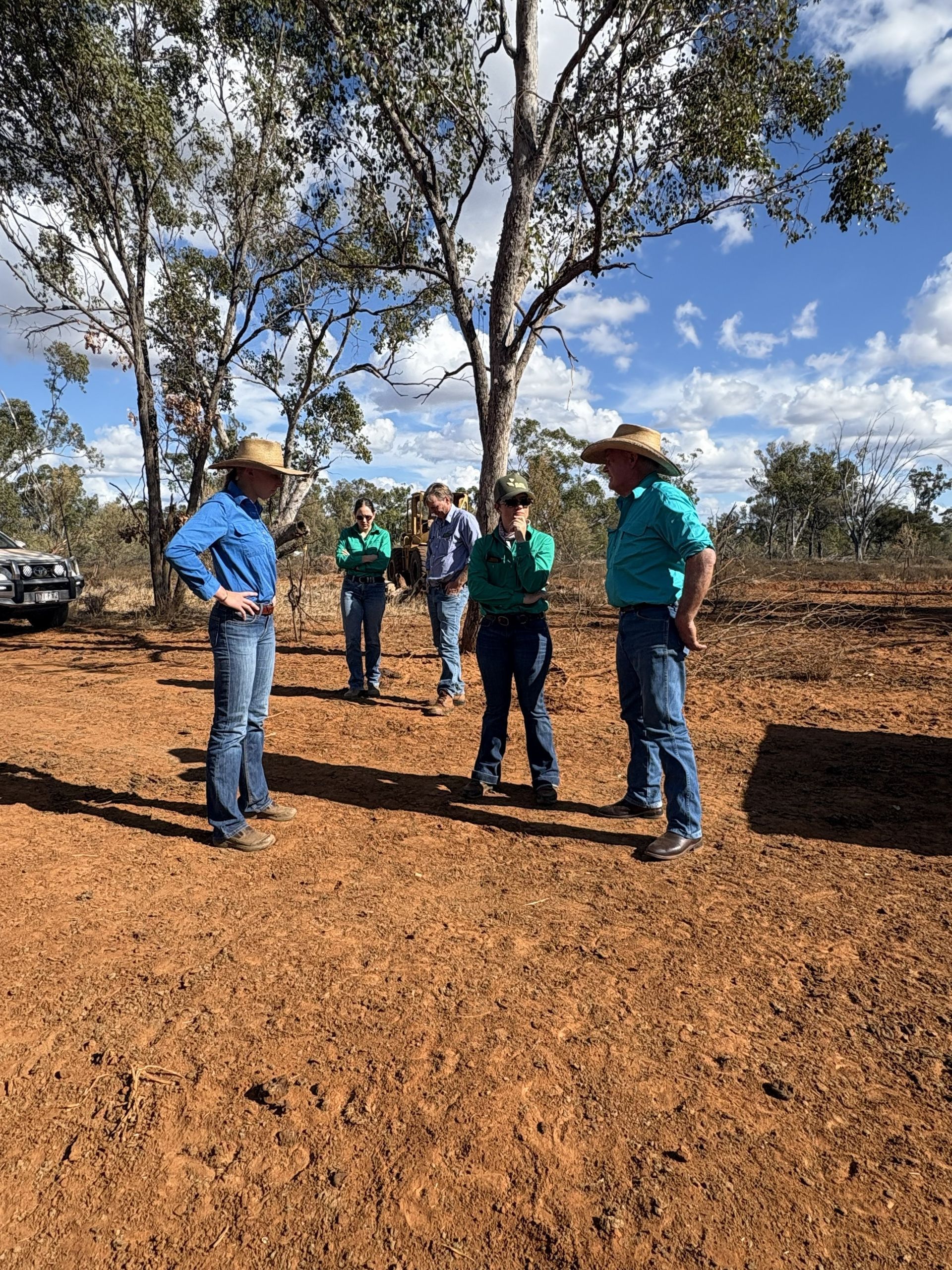
“This is a good opportunity for Southern Queensland Landscapes to provide the link between science and community,” Michael Boland said.
“We want to help graziers understand the entire system, how different land management practices, vegetation management or even tools like cool burning can influence productivity and emissions outcomes.”
Projects under consideration for inclusion at Croxdale are focused on delivering practical outcomes for producers and include:
Northern Australia Low Methane Feedbase Program
A national research collaboration identifying pasture and browse species that naturally reduce enteric methane emissions in extensively grazed cattle systems across Queensland, the Northern Territory, and Western Australia.
Biodegradable Solutions for Low-Emissions Livestock
Developing delivery systems that reduce emissions from beef and dairy cattle, and potentially sheep, using biodegradable materials, suitable for grazing systems.
Ag GHG Accounting
Establishing consistent, science-based methods for measuring emissions and removals in Australian agriculture.
ZNE-Ag CRC aims to deliver practical solutions that help Australian agriculture lower emissions while maintaining productivity, profitability and sustainability.
Croxdale Station will continue to evolve as a Producer Demonstration site for grazing and land management research, from stock management and pasture monitoring to vegetation strategies to assess how the environment responds.
“Croxdale offers a great opportunity for South West Queensland to trial different approaches to land management to reduce emissions and to learn from this environment.” Michael Boland said.