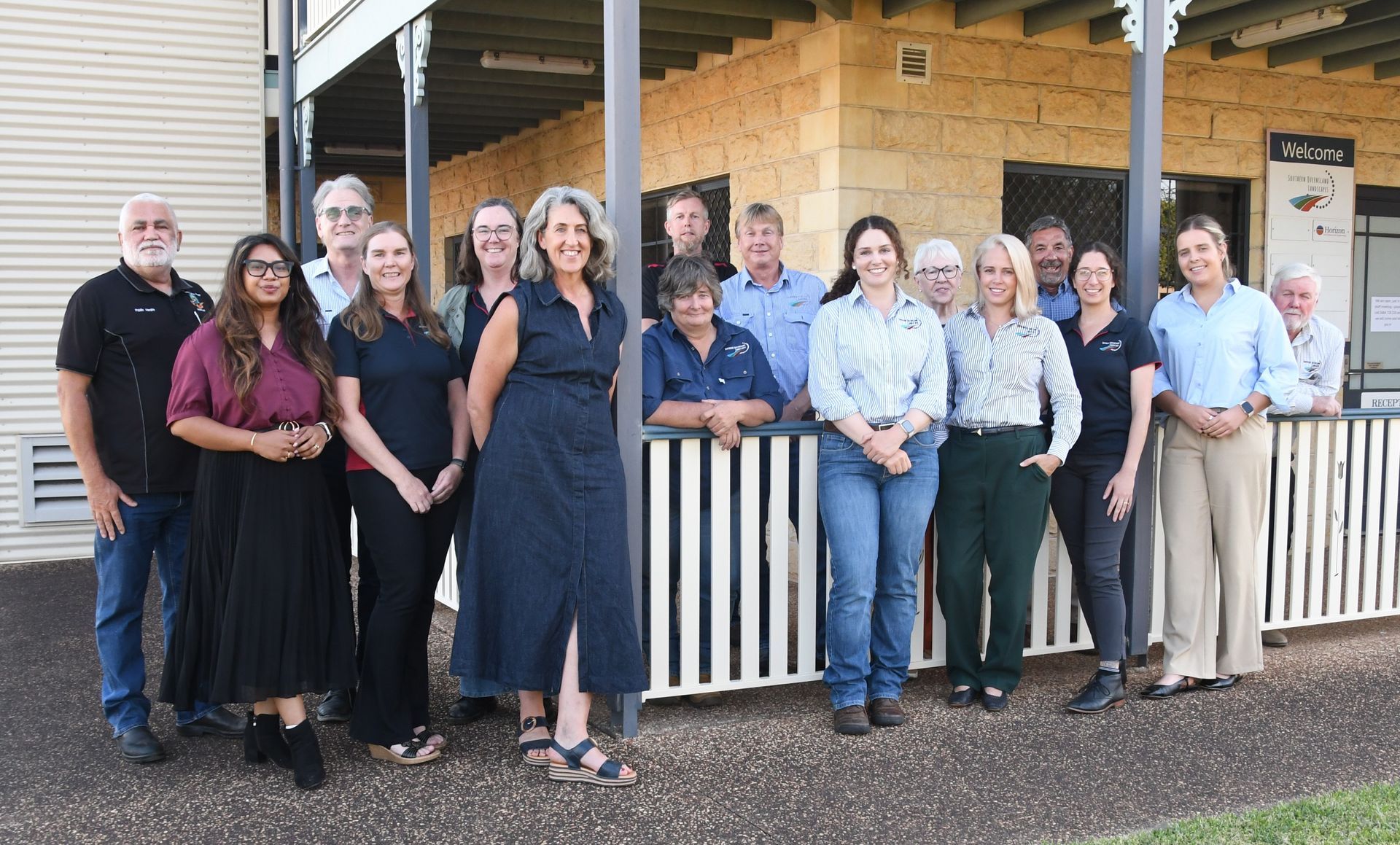
With our team working alongside landholders to turn planning into practical, lasting outcomes on the ground, our project,Protecting the Brigalow Belt in Southern Queensland , is well underway. This project supports landholders to protect remnant and fragmented Brigalow vegetation, while strengthening the long-term sustainability and productivity of agricultural systems across the region. By aligning conservation outcomes with grazing enterprise needs, the project recognises that healthy landscapes and productive businesses go hand in hand. Across southern Queensland, we are currently partnering with around 50 landholders to address priority challenges such as weeds and pest animals, alongside targeted property improvements that benefit both production and nature. Supported on-ground activities include both weed and pest management, fencing to improve grazing control and protect remnant vegetation, and infrastructure such as alternative watering points to better manage livestock access and reduce pressure on the Brigalow scrub. A key focus of the project is improving the condition and connectivity of Brigalow habitats, particularly along important corridors and remnant patches. These areas can provide critical habitat for nationally significant species including koalas, the Yakka Skink and the Northern Quoll. Strengthening these systems helps conserve threatened Brigalow Belt ecosystems while maintaining the shade, shelter, soil health and water retention benefits that are so valuable to grazing. We sincerely thank every landholder who is partnering with us on this project. Your stewardship, local knowledge and commitment are central to the success of this work. Collaboration between landholders, First Nations people, government and local communities remains at the heart of achieving lasting improvements for the Brigalow Belt, now and into the future. This project is funded by the Australian Government under Saving Native Species and delivered by Southern Queensland Landscapes, a member of the Commonwealth Regional Delivery Partners Panel.
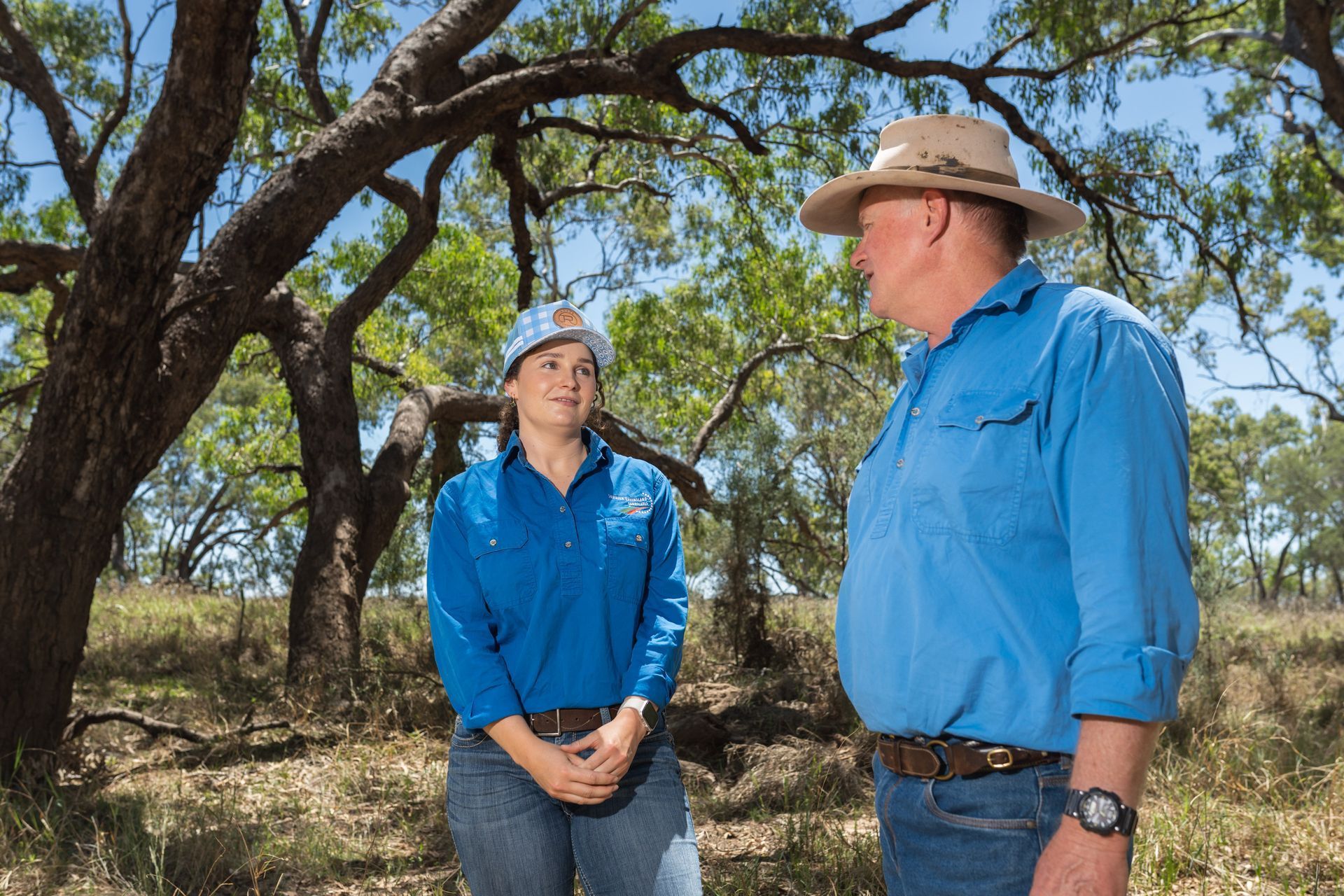
West of Augathella, along the winding Nive River, sitsBiddenham , a family-owned cattle property run by Guy Newell and his wife Natalie. The river forms a defining feature of the property, supporting riparian landscapes and providing important habitat for native wildlife alongside productive grazing land. In early 2025, we approached Guy to explore opportunities to work together on landscape and biodiversity projects. At the time, our Western Koala Project was underway, alongside the Coolibah–Black Box and Poplar Box Project, both of which strongly aligned with the natural values present atBiddenham . With extensive areas of Coolibah–Black Box and Poplar Box Grassy Woodland threatened ecological communities (TEC's), particularly along the Nive River corridor, the property was well placed to support these initiatives. These TEC's also provide important habitat for native fauna including Koalas and Rufus Bettongs, with existing records and on-ground evidence confirming their presence in the area. As part of the project activities, we collected an environmental DNA (eDNA) water sample from a local waterhole to investigate the presence and abundance of native fauna, as well as potential pest species. An acoustic recorder was also deployed to help monitor wildlife activity across the site, providing valuable data to inform ongoing conservation and management efforts. A key focus of our support atBiddenhamhas been weed management, particularly targeting Mother of Millions and Tiger Pear, invasive species that can significantly impact native fauna and degrade threatened ecological communities. Through a combination of biological control and targeted herbicide treatments, we have worked alongside Guy to reduce these weed pressures and protect the health of the riparian corridor. Guy has also actively participated in pest management programs, taking part in the initial aerial pest control operation in May 2025, followed by a second program in November 2025. These efforts targeted feral pigs and feral cats, helping to reduce threats to native species and safeguard the ecological integrity of the TEC's along the river. Building strong relationships with landholders is central to Southern Queensland Landscapes’ work, and it has been a pleasure to collaborate with Guy and Natalie atBiddenham . Their willingness to engage in conservation projects while continuing productive land management demonstrates the value of partnership in achieving positive outcomes for landscapes, wildlife and rural communities. This project is funded by the Australian Government’s Natural Heritage Trust and delivered by Southern Queensland Landscapes, a member of the Commonwealth Regional Delivery Partners panel.
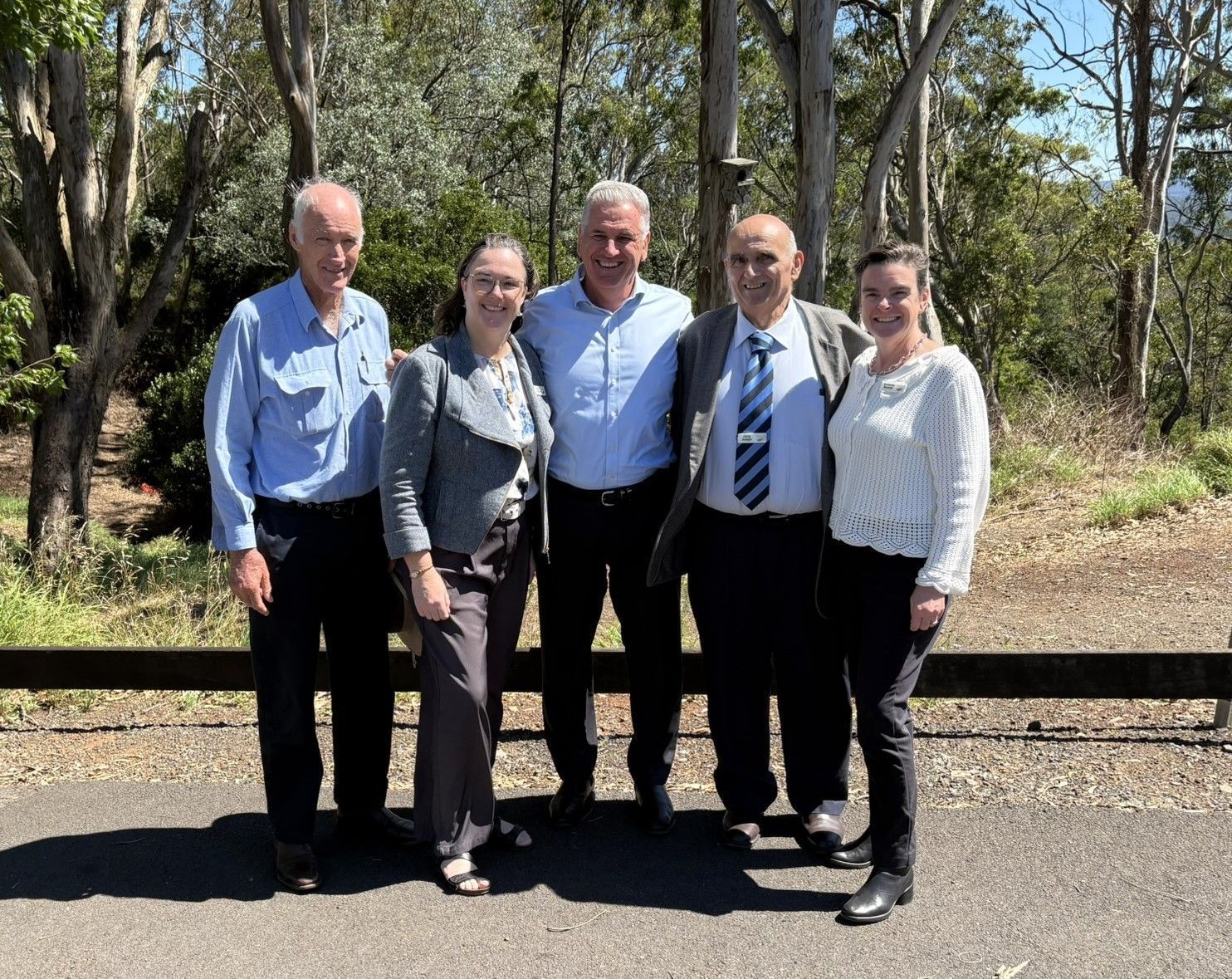
Southern Queensland is set to benefit from a major investment in Queensland’s natural assets, with more than $9 million allocated through the Queensland Government’s Natural Resource Management Expansion Program and delivered by Southern Queensland Landscapes. Southern Queensland Landscapes will receive $6.6 million to work with landholders to improve more than 124,000 hectares of land and vegetation adjacent to key waterways by installing fencing and watering points to better manage grazing. A further $2.5 million is allocated to the improvement of priority koala habitats and support animal movement and survival across Southern Queensland. This targeted action to remove key threats including wild dogs and invasive cactus species. Southern Queensland Landscapes CEO, Gillian Meppem said “the investment highlights the vital link between healthy landscapes, productive agriculture, resilient koala populations and thriving waterways.” “We are looking forward to delivering two key projects in partnership with landholders, through the Natural Resource Management Expansion Program. These projects are focused on protecting our waterways through improved grazing management and supporting thriving koala populations across Southern Queensland.” “Better grazing management, strategic fencing, and improved stock water infrastructure will enhance ground cover and protect waterways, ensuring our landscapes are more capable of resisting and recovering from natural disasters and the impacts of a changing climate.” “We are improving koala habitat by tackling key threats such as wild dogs and invasive cactus and supporting greater genetic diversity to ensure thriving koala populations across southern Queensland,” she said. Minister for Natural Resources and Mines, Manufacturing and Regional and Rural Development, The Honourable Dale Last, said “the funding demonstrates the Queensland Government’s strong commitment to supporting regional communities and natural resource management.” “When we came into government, we promised we would double funding for NRM organisations, and we would ensure our regional workforce would benefit, and we are delivering on that promise. “These NRM organisations are leading the way in safeguarding our natural resources, and that’s why we’re proud to support them and invest in Queensland’s future.” The NRMEP is a partnership between the Queensland Government and NRM Regions Queensland to deliver $117.84 million in on-ground land, water and biodiversity programs over the next three years.
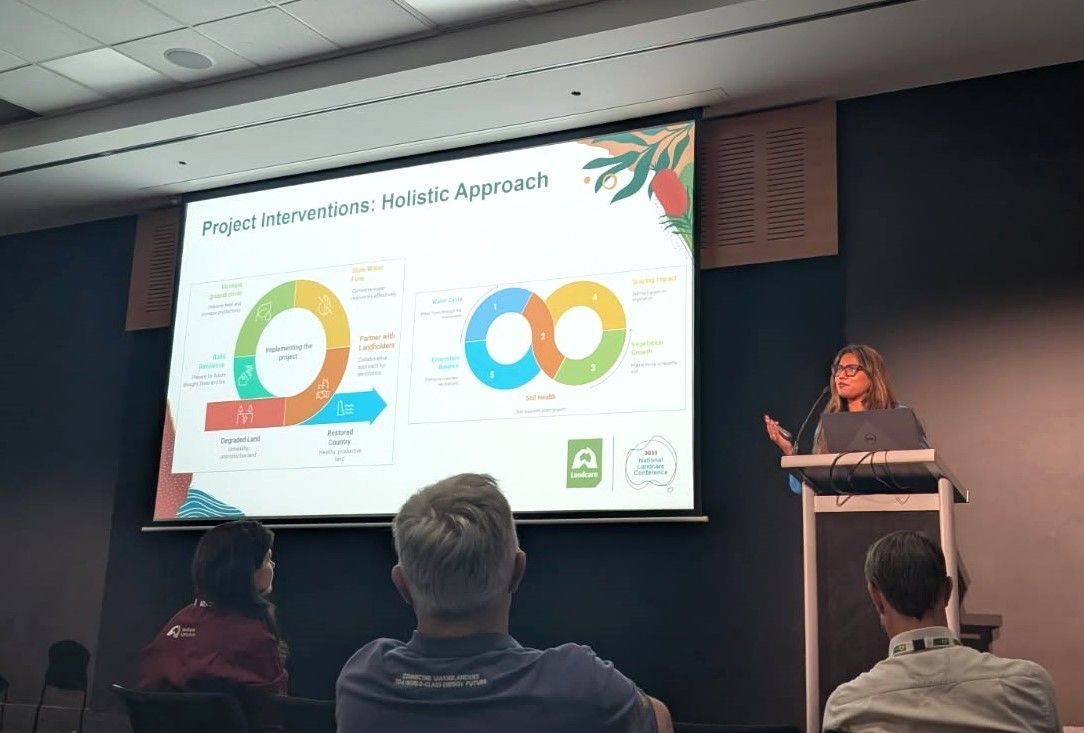
We are seeing fantastic momentum across the region, with strong interest from landholders in improving land condition. Even better, clusters of neighbouring properties are getting involved, a promising sign for achieving landscape-scale change that supports water infiltration, soil health, and resilient groundcover. To help visualise this, Projects Lead Payel Sinha, developed a set of clever graphics that capture the essence of the NRRP program. The circular diagram below shows how water, soil, vegetation, grazing, and ecosystem balance are interconnected, all working together to support healthier landscapes.
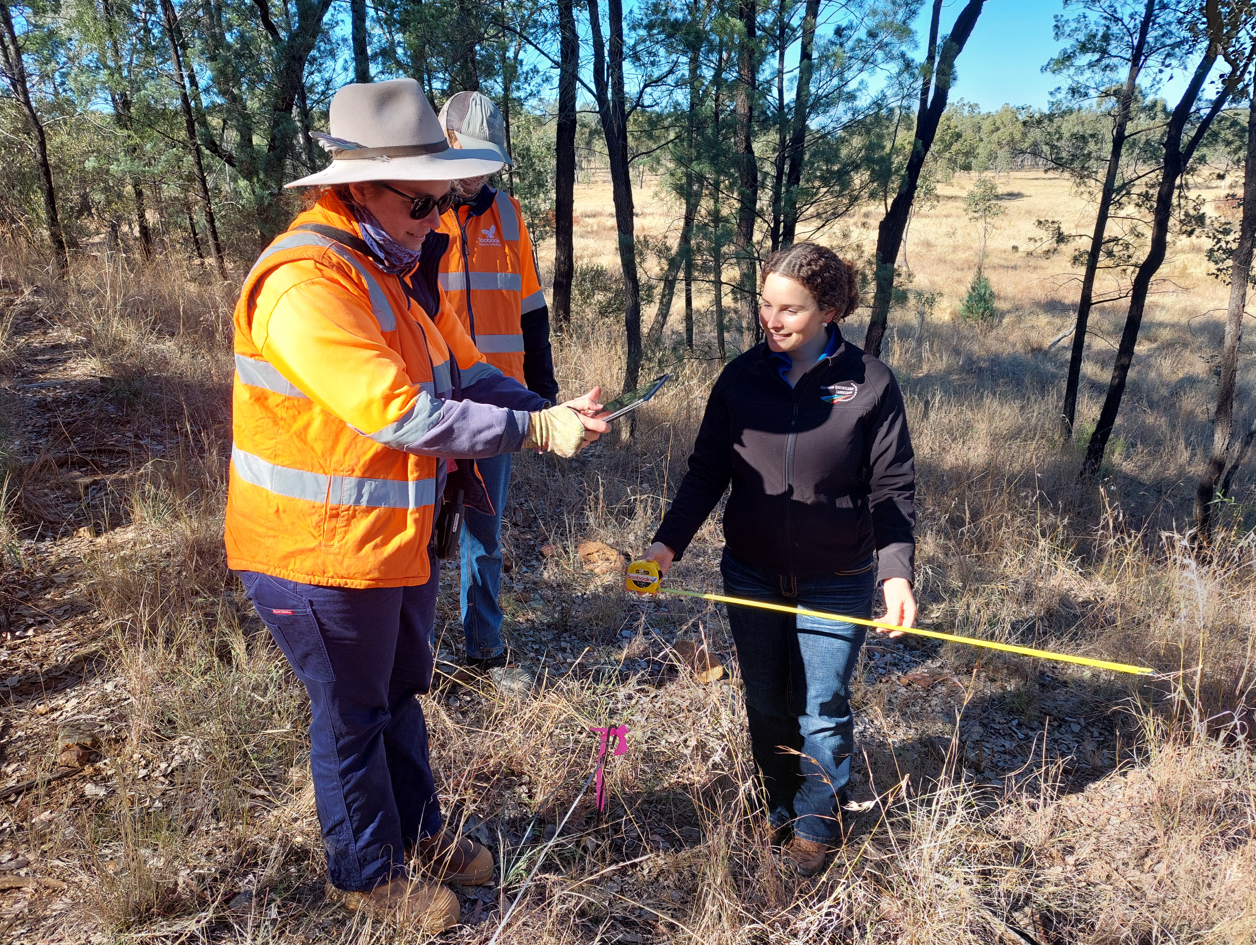
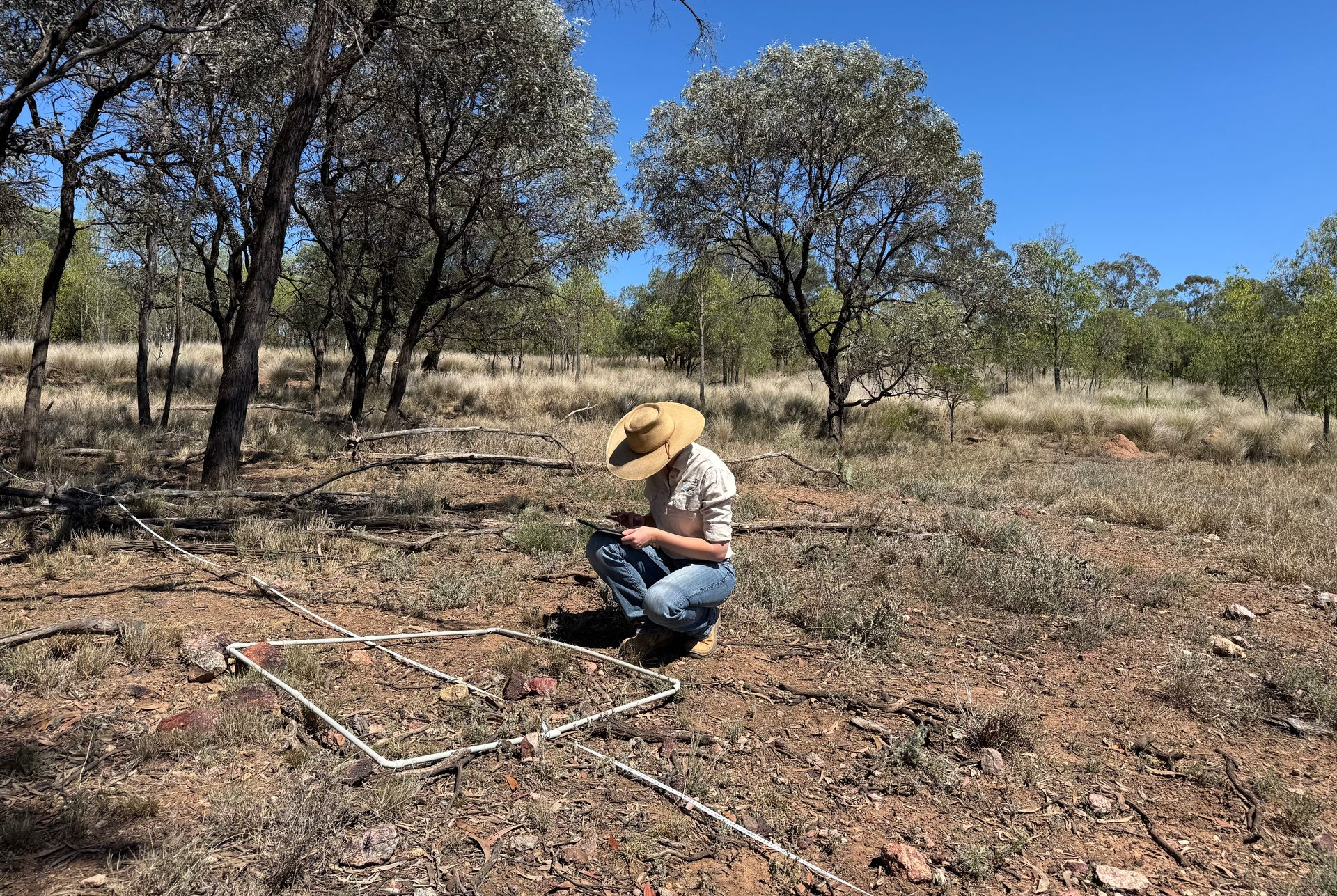
Project Officers Katrina Higgins and Erin Landsberg recently joined Rose and Weston from Boobook Ecological Consulting in Roma, to complete field monitoring in the Murweh and Maranoa districts. This monitoring measures the value and health of Coolibah, Poplar Box, and Brigalow habitat. During this time, we deployed acoustic recorders and motion-sensor wildlife cameras, and took DNA samples from nearby water sources to ascertain the fauna within these threatened habitats.